
Punta La Marmora — Highest Peak of Sardinia
Punta La Marmora is Sardinia's highest summit (1,834 m) in the Gennargentu range. Known for rugged terrain, endemic flora, and hiking routes, it is named after explorer Alberto La Marmora.
Punta La Marmora (Sardinian name Perdas Carpìas) is the highest mountain on the island of Sardinia, rising to about 1,834 metres above sea level. It stands within the Gennargentu massif and is commonly described simply as a prominent mountain in central Sardinia. The summit offers wide views across the island and is a focal point for naturalists and visitors interested in upland Mediterranean landscapes.
Image gallery
2 Images
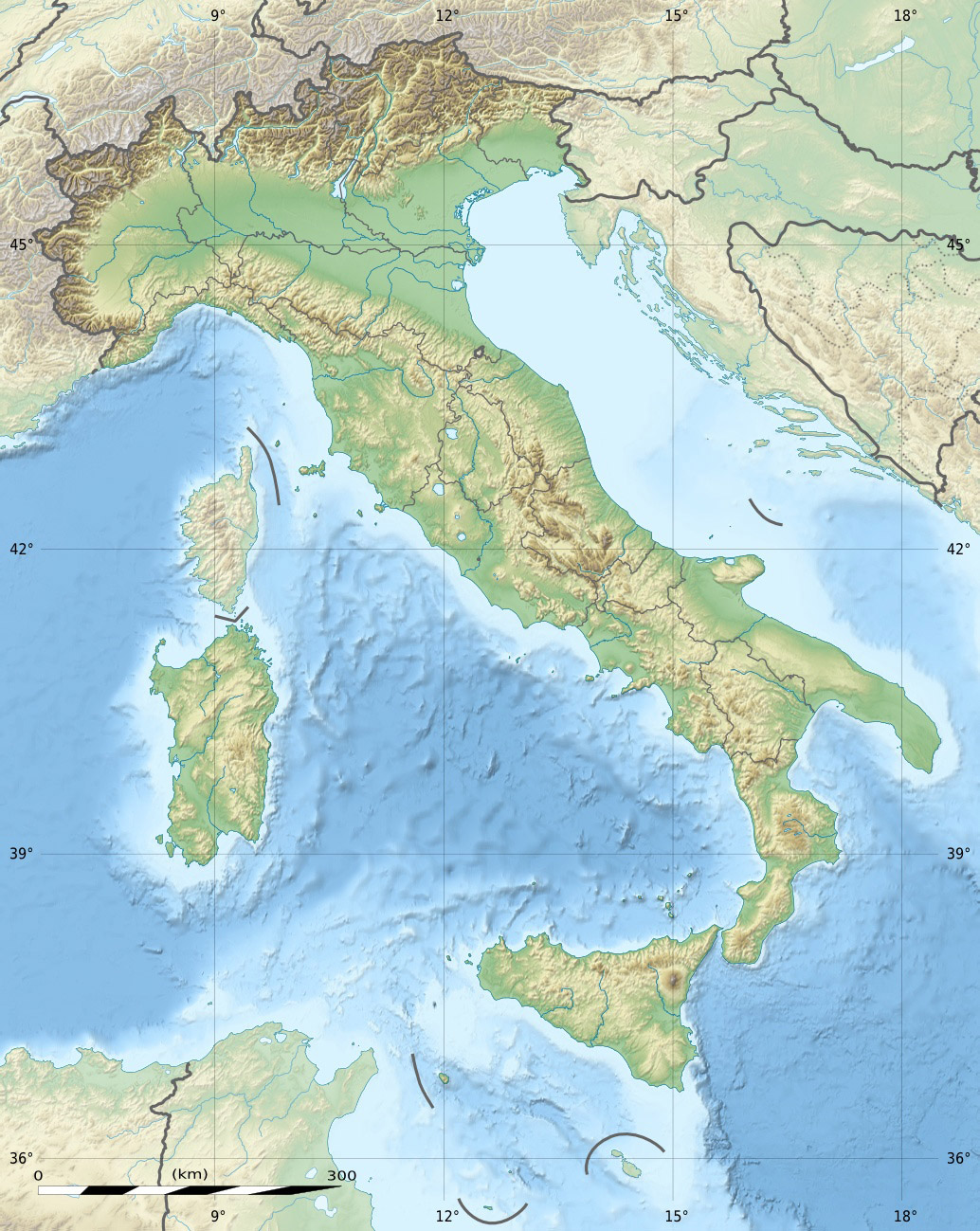
Geography and physical characteristics
Punta La Marmora sits amid a compact, rugged range characterized by steep ridges, deep valleys and plateaus. The area is subject to a Mediterranean mountain climate with cooler temperatures and seasonal snow at the highest elevations. Vegetation transitions from Mediterranean scrub and oak woods at lower levels to montane grasslands and sparse shrubs close to the summit, where rocky outcrops dominate the terrain.
History and name
The peak takes its present name from Alberto Ferrero della Marmora, a 19th‑century Italian general, naturalist and geographer who studied Sardinia extensively. The mountain has long been a geographic reference point for local communities and appears in historical maps and accounts of the island's interior.
Recreation and importance
Punta La Marmora is a popular destination for hikers and walkers drawn by panoramic views and the sense of remoteness. Routes to the summit can start from nearby mountain villages and from trails crossing the Gennargentu massif; in winter some higher paths are affected by snow. The mountain and surrounding territory are valued for biodiversity and traditional pastoral uses, and parts of the massif fall within protected or managed landscape areas.
Quick facts
- Elevation: approximately 1,834 m (highest point in Sardinia).
- Range: Gennargentu massif.
- Named for: Alberto Ferrero della Marmora.
- Common activities: hiking, wildlife observation, landscape photography.
For practical information on access, routes and conservation status consult local sources and visitor information specific to Sardinian mountain areas. Additional general background on the region and its features can be explored via regional guides and geographic summaries (Italy overview). For Sardinian language references and local naming conventions see resources listed for the island (Perdas Carpìas).
Related articles
Author
AlegsaOnline.com Punta La Marmora — Highest Peak of Sardinia Leandro Alegsa
URL: https://en.alegsaonline.com/art/80094
Sources
- peakbagger.com : "Punta la Marmora, Italy"
- sardegnaturismo.it : "Alberto della Marmora"
- sardegnacultura.it : "I monti del Gennargentu"
- sardegnaambiente.it : Biotopi di Sardegna. Guida a dodici aree di rilevante interesse botanico
- summitpost.org : "Punta la Marmora"