
Qawwali: Sufi devotional music of South Asia
Qawwali is a Sufi devotional music tradition from South Asia, known for its call-and-response singing, harmonium and percussion, shrine settings and global performers such as Nusrat Fateh Ali Khan.
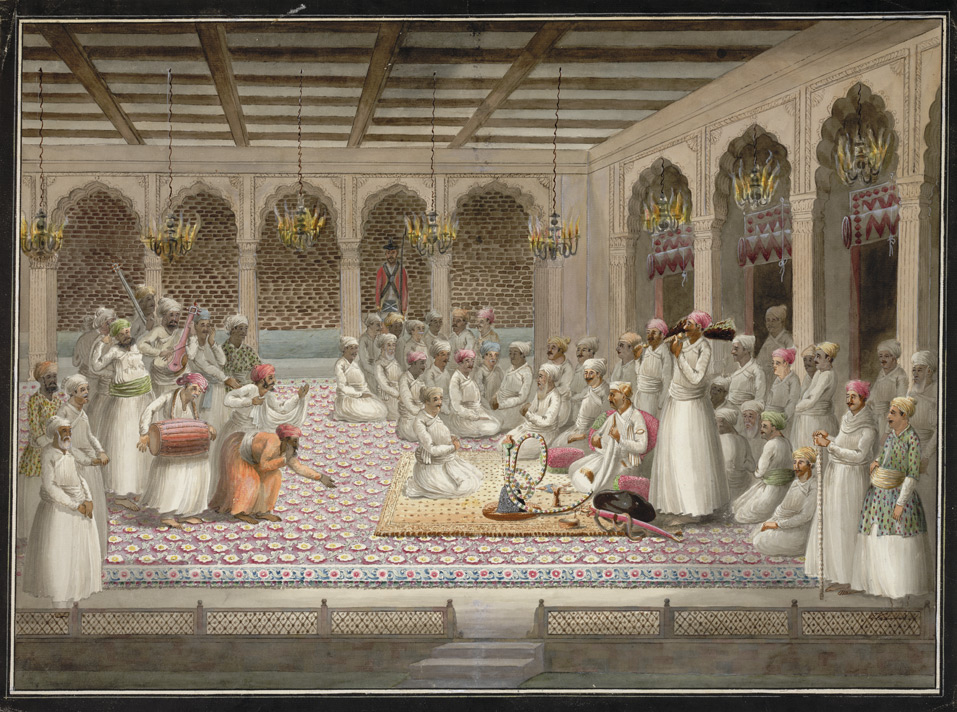
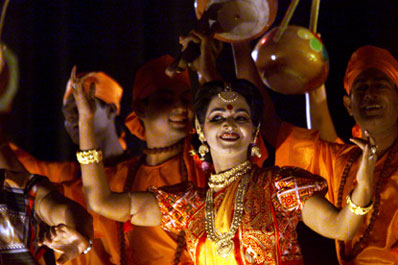
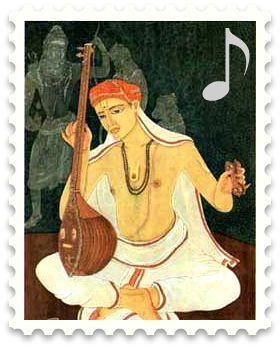
Qawwali is a form of devotional music associated with Sufism that developed in the Indian subcontinent. It is most closely linked with Muslim shrine culture and public gatherings in parts of modern-day Pakistan and India. Performed to inspire spiritual feeling and communal listening, Qawwali combines poetry, melody and rhythmic cycles to create an extended, often ecstatic performance.
Image gallery
7 Images



Origins and historical development
The tradition emerged from the interaction of Persian, Arabic and South Asian musical and poetic practices, and is widely dated to several centuries ago, often associated with medieval Sufi orders. Early practitioners adapted devotional poetry by Sufi saints and vernacular poets into a communal musical form that could be presented at Sufi shrines and public gatherings. Regions such as Punjab played a notable role in transmitting styles and repertoires across communities and borders; the genre developed in diverse local languages including Urdu, Punjabi and Persian.
Structure, instruments and performance
A typical Qawwali party (or group) centers on one or more lead vocalists supported by chorus singers, harmonium, tabla or dholak, and handclapping. Performances often follow a gradual build: a slow, contemplative opening moves into faster, more intense sections. Lyrics draw on mystical themes—divine love, longing, and moral instruction—and are presented in a call-and-response pattern that encourages audience participation.
Notable artists and contemporary reach
In the 20th century, several performers brought Qawwali to broader audiences through recordings and international tours. Prominent among them is Nusrat Fateh Ali Khan, whose virtuosity and collaborations helped introduce Qawwali to concert halls and world-music listeners. Modern performers blend traditional repertoires with new arrangements and cross-genre collaborations, extending Qawwali's reach beyond shrine contexts.
Functions, distinctions and modern changes
Qawwali serves devotional, social and cultural functions: it is used in ritual settings, celebratory events, and as a means of preserving poetic traditions. While rooted in religious practice, it also distinctively emphasizes group dynamics, improvisation and emotional intensity. Contemporary recordings, broadcast media and fusion projects have transformed presentation and audience, creating debates about preservation and innovation within the tradition. For administrative or geographic context, Qawwali has strong ties to particular provinces or states where shrine-based performance remains an active cultural practice.
- Core features: call-and-response singing, harmonium, percussion, devotional lyrics.
- Typical venues: shrines, festivals, private gatherings and concert stages.
- Resources and further reading: introductions and archives are available through cultural institutions and specialist collections (Pakistan, India).
Related articles
Author
AlegsaOnline.com Qawwali: Sufi devotional music of South Asia Leandro Alegsa
URL: https://en.alegsaonline.com/art/80309