
Baarle: the divided town on the Belgium–Netherlands border
Baarle is a settlement split between the Netherlands and Belgium, famous for a complex pattern of Belgian exclaves within Dutch territory, shared services, medieval origins and practical cross‑border cooperation.
Overview
Baarle is a single built-up place that is legally divided between two countries: Baarle-Nassau (Netherlands) and Baarle-Hertog (Belgium). The settlement lies near coordinates 51.433°N, 4.917°E and is internationally known for the unusual arrangement of municipal and national borders that cross streets, plots and buildings. That pattern of enclaves and counter‑enclaves has attracted attention from geographers, historians, legal scholars and visitors interested in how historical landholding practices survive in modern state systems.
Image gallery
4 Images

Geography and territorial arrangement
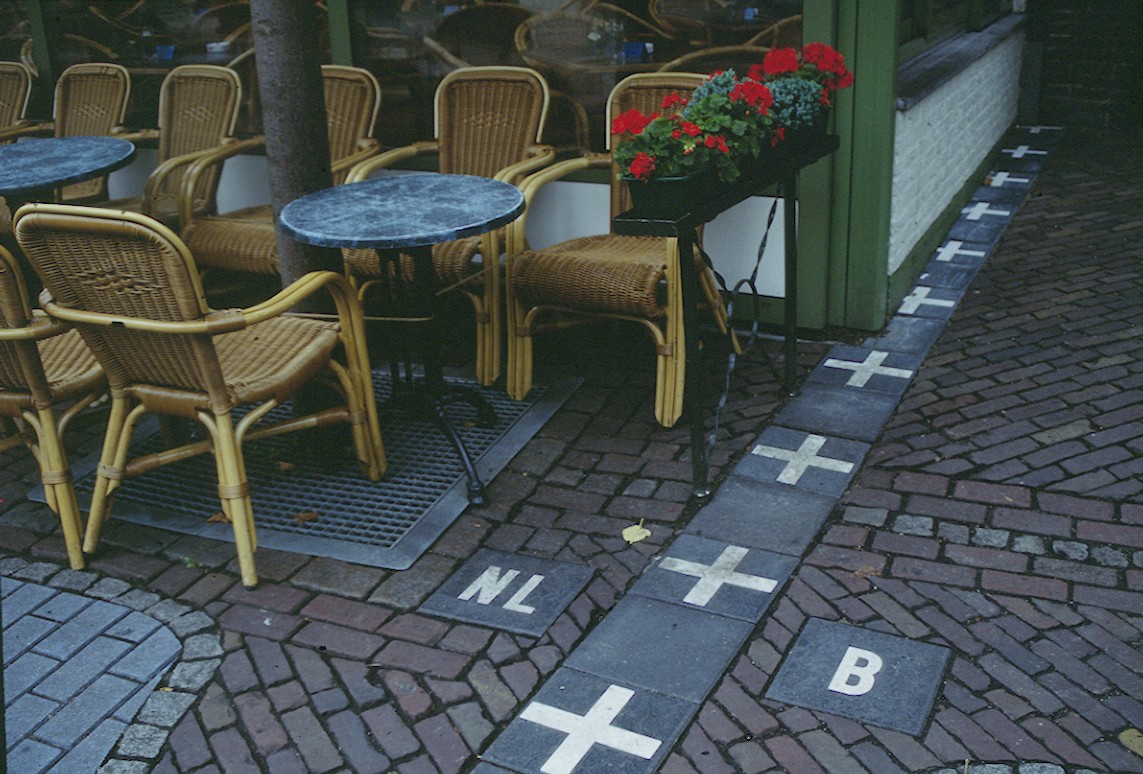
The territory commonly called Baarle comprises numerous separate parcels. A number of Belgian exclaves are entirely surrounded by Dutch territory; within some of those Belgian parcels are small Dutch counter‑enclaves. The result is a highly interleaved map in which national sovereignty changes block by block. On the ground, boundaries are indicated by small brass markers set into the pavement, painted lines and street signs; these help residents and visitors identify whether a particular doorway, garden or room is under Belgian or Dutch jurisdiction.
Historical origins
The legal and territorial complexity of Baarle has medieval roots. During the twelfth century much of the area was marshy and subject to feudal land grants and rents. In 1198 a documented conveyance divided local rights, creating a pattern of allegiance and obligations that was passed down through families and legal settlements. Over the centuries those historic property rights were mapped into municipal limits and, after the emergence of modern nation states, into a national frontier. The persistence of those medieval boundaries explains why a small area of Belgium exists within the Netherlands and why some Dutch plots lie within Belgian land. For background on the regional landscape and noble titles see material linked through regional sources here and on aristocratic offices here.
Local government and shared services
Although two sovereign administrations govern the built area, everyday life is highly interdependent. Baarle-Nassau and Baarle-Hertog each have their own mayor and town council, and they operate under Dutch and Belgian law respectively. At the same time, practical services—such as water, electricity, road maintenance and waste collection—are often provided through cooperative arrangements or joint committees to ensure continuity across the settlement. A well-known example of shared civic space is a cultural centre that straddles the boundary and is entered by two official doors, one on the Dutch‑numbered side and one on the Belgian side. For municipal matters there are separate local offices and police stations, but the councils have frameworks for coordination; see local administration sources here.
Law, commerce and everyday implications
Differences in taxation, trading rules and opening hours between the two countries have influenced commerce and behaviour in Baarle. Historically, cross‑border trade and smuggling occurred where price, rationing or regulation made goods more profitable to move across a short distance; after the Second World War some everyday goods were moved informally, and in later decades items such as fireworks, alcohol and tobacco have been affected by differing rules. Businesses sometimes exploit the border in practical ways—for instance, a shop’s sales area may be in one country while storage or offices are in another—and proprietors will make clear which side customers are purchasing from.
Visiting Baarle
Baarle is a popular destination for tourists who wish to see a boundary that is visible in urban form. Typical visitor experiences include standing with a foot in each country, viewing houses bisected by a frontier line and reading brass markers in pavements. Maps and guided walks are available from the local tourist office, which works with both Dutch and Belgian tourism organisations; for general visitor information see the Netherlands and Belgium pages linked here and here. Practical tips for visitors: pay attention to signage because parking and opening hours may change from one side of a street to the next; respect private property; and consult the tourist service for walking routes and historical context.
Comparative and contemporary context
Baarle is often cited as one of the most intricate examples of European enclave geography, but it is part of a wider set of situations where historical property rights intersect with modern borders. Its successful functioning today depends on legal clarity, practical cooperation and the willingness of local authorities to coordinate services. That balance of local identity, national administration and everyday pragmatism makes Baarle a useful case study for discussions about borders, sovereignty and community life in regions with complex territorial histories.
Related articles
Author
AlegsaOnline.com Baarle: the divided town on the Belgium–Netherlands border Leandro Alegsa
URL: https://en.alegsaonline.com/art/8004
Sources
- dtl.unimelb.edu.au : ""En Territoire Belge et à Quarante Centimètres de la Frontière" - An historical and documentary study of the Belgian and Dutch enclaves of Baarle-Hertog and Baarle-Nassau"
- rtlnieuws.nl : "Willem Alexander: Prins van Oranje enz. enz"
- monarchie.be : "Duke of Brabant"
- provant.be : "Ga stikken over de Grens"
- gva.be : "Smokkelaars van vuurwek betrapt"