
Bürgermeister (German municipal mayor)
Bürgermeister is the German title for the head of a municipality. Historically 'master of the citizens', the office varies by region in duties, selection, rank and relation to the city council.
Overview
The term Bürgermeister comes from German words meaning "master of the citizens" and has long been used for the principal civic official in towns and municipalities. In English historical usage the word appears as burgomaster or burgomeister; modern translations most commonly render it as mayor, though the office is not identical across systems. The exact powers and title forms differ by country and by region within German-speaking states.
Image gallery
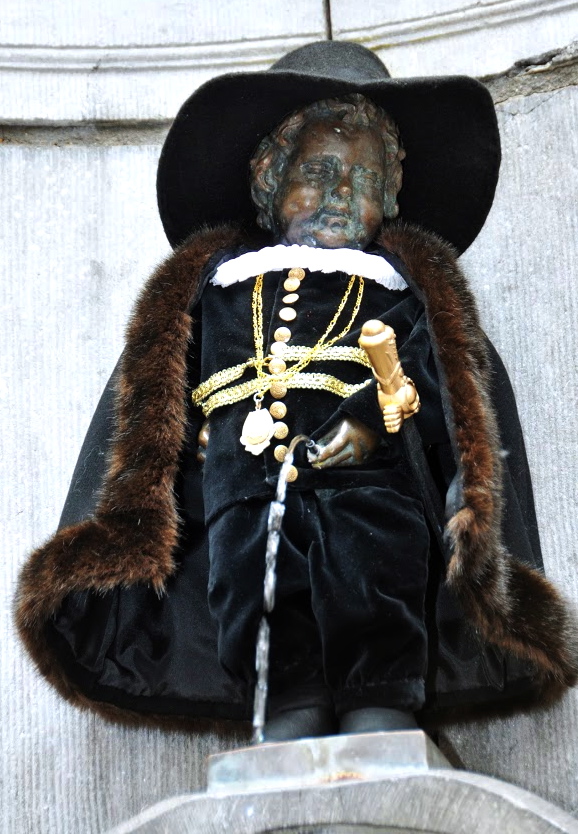
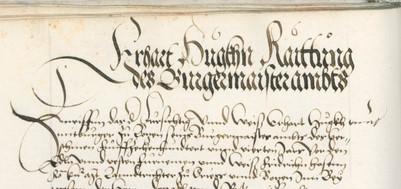
5 Images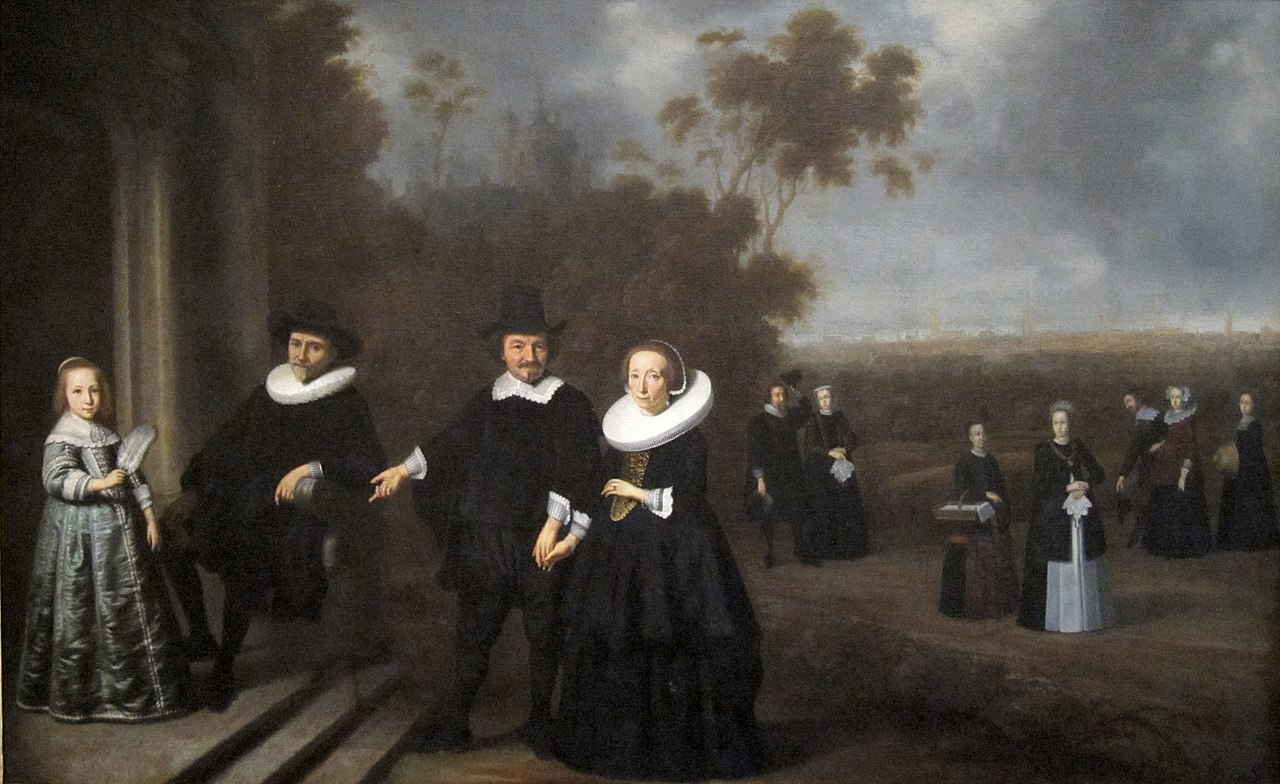


Role and functions
In contemporary practice a Bürgermeister usually serves as the head of the municipal administration and as the chair of the town or city council's executive. Typical responsibilities include:
- Implementing council decisions and managing municipal departments;
- Representing the municipality in external affairs and ceremonial duties;
- Overseeing local services such as planning, public order and civil registry;
- Presiding over council meetings and, where applicable, casting tie-breaking votes.
History and origin
The office has roots in medieval European towns where leading citizens or burgesses elected a chief magistrate to coordinate local governance. The German word reflects that origin; for background see the etymological note often summarized as "master of the citizens" (original sense). Over centuries the role evolved from a partly honorary position into an executive public office in modern municipal law.
Variations and notable distinctions
Titles and seniority vary: large cities often use Oberbürgermeister (literally "upper mayor" or lord mayor) to denote a chief mayor among several deputies. Some states elect mayors directly, others appoint them through council majorities. In smaller communities the office can be voluntary or part-time; in larger cities it is typically a full-time professional post. Gendered forms such as Bürgermeisterin are used for women holding the office.
Importance and comparison
Although often translated as "mayor," the Bürgermeister's powers depend on the legal framework of the country or federal state. As the primary local executive, the office is central to municipal administration, local democracy and everyday public services. For comparative summaries of similar offices across Europe, consult general municipal government resources via links like Mayor.
Related articles
Author
AlegsaOnline.com Bürgermeister (German municipal mayor) Leandro Alegsa
URL: https://en.alegsaonline.com/art/15409