
Puerto Escondido (Honduras) — Archaeological site on the Ulúa River
Pre-Columbian archaeological site on the Ulúa River, Honduras. Occupied from about 1600 BC to 450 AD, important for studying early complex societies, trade, pottery and riverine-coastal interactions.
Overview
Puerto Escondido is an archaeological site in northwestern Honduras located on the Ulúa River near the Caribbean coast. The placename, which means "hidden harbour," denotes its riverine setting and strategic position for access to inland and coastal resources. Archaeological investigations have shown occupation at the site from roughly 1600 BC until about 450 AD, a span that covers parts of the Formative (Preclassic) and the early Classic periods in regional chronology.
Image gallery
4 Images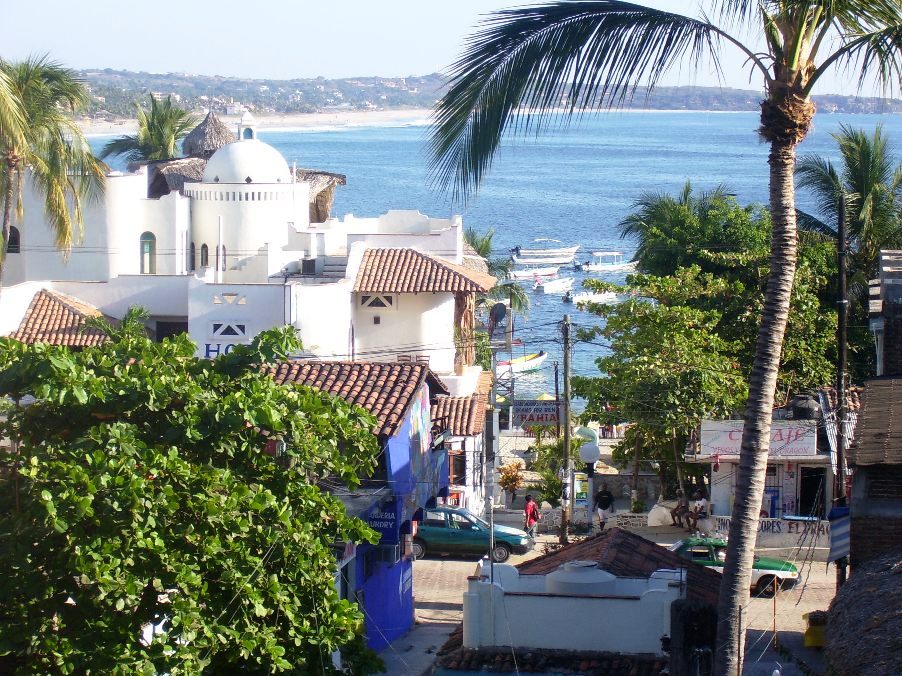

Site characteristics and remains
Excavations at Puerto Escondido have recovered stratified deposits that document long-term settlement and changing material culture. Typical finds include ceramics, stone tools and human burials. Excavated architecture often consists of low earthen mounds and platform structures, indicating organized construction and communal or ritual spaces. The variety and style of pottery from the site help archaeologists trace local development and connections with neighboring regions.
History and cultural context
The time range for Puerto Escondido (about 1600 BC–450 AD) places it within important centuries of social transformation across southern Mesoamerica and adjacent areas. The site reflects a sequence in which small farming communities gradually developed more complex social and economic arrangements. Evidence from Puerto Escondido is used to interpret regional interaction networks, craft specialization and the emergence of ceremonial centers along river corridors.
Importance and uses for research
As a riverine site near the Caribbean, Puerto Escondido is significant for understanding trade and communication between inland valleys and coastal zones. River channels like the Ulúa served as highways for moving goods, people and ideas. Studies of material remains from the site contribute to knowledge about pottery production, subsistence strategies and mortuary practices in Early Formative and Classic eras.
Notable facts and distinctions
- Puerto Escondido should not be confused with the coastal tourist town of the same name in Mexico; this is an inland archaeological locality in Honduras.
- The name highlights the site's relationship to waterways and harboring functions in pre-Columbian times.
- For further reading and site reports see specialist publications and regional surveys that place the Ulúa Valley in broader Mesoamerican research.
- Its riverside location near the Caribbean Sea is often referenced in overviews of coastal interaction; general geographic context is available at Caribbean coastal studies.
Research at Puerto Escondido continues to refine the chronology and social interpretation of the site. Ongoing work aims to clarify how riverine settlements participated in larger exchange networks and how local traditions evolved through the long sequence of occupation.
Related articles
Author
AlegsaOnline.com Puerto Escondido (Honduras) — Archaeological site on the Ulúa River Leandro Alegsa
URL: https://en.alegsaonline.com/art/79951
Sources
- news.bbc.co.uk : "Pre-dating the love of chocolate"