
Rosetta Stone: Bilingual Hellenistic decree that enabled Egyptian hieroglyph decipherment
Rosetta Stone: a Hellenistic granodiorite decree inscribed in hieroglyphs, Demotic and Ancient Greek. Found in 1799, its trilingual text let scholars decipher Egyptian scripts and transform the study of ancient Egypt.
Overview
The Rosetta Stone is an inscribed granodiorite slab discovered by French troops near the town of Rosetta (Rashid) in 1799, while they were in Egypt. Its inscriptions were crucial for scholars attempting to understand ancient Egyptian writing.
Image gallery
10 Images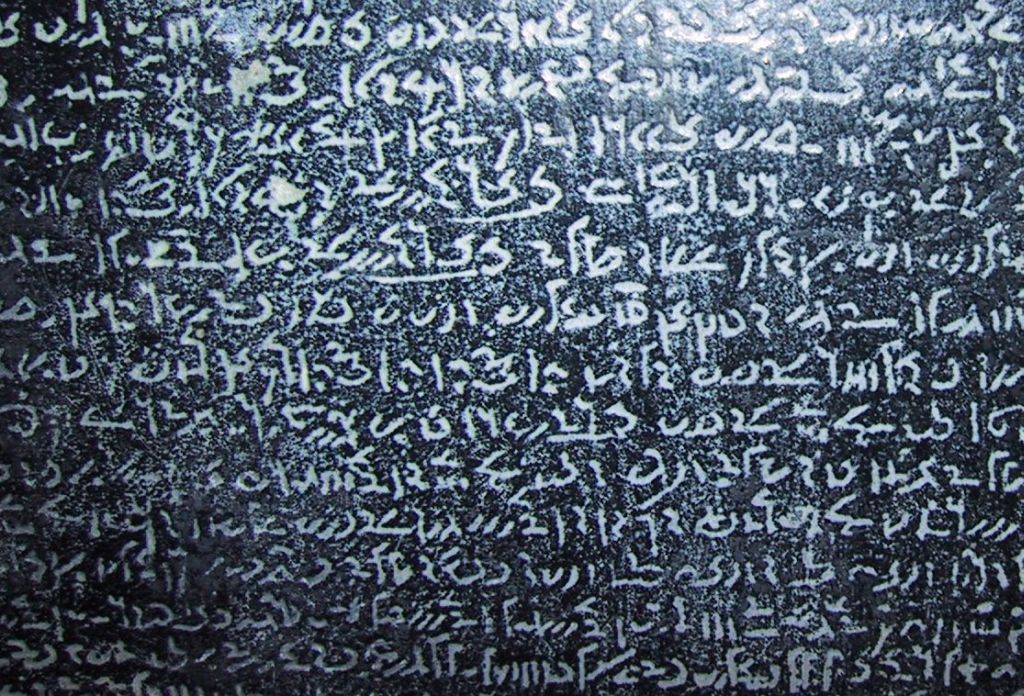


Inscriptions and scripts
The monument carries essentially the same text rendered in three different systems. One version appears in hieroglyphs, another in a cursive native script, and a third in Ancient Greek. Together these reflect the use of multiple languages and writing forms in the region at the time.
Two of the inscriptions are forms of the Ancient Egyptian tongue written with different conventions; the third is in Greek. Scholars use the term writing system when referring to the methods used to record these languages.
Decipherment
Because educated historians and linguists could already read the Greek passage, they compared it to the Egyptian texts and gradually worked out how the Egyptian signs corresponded to sounds and meanings. This comparative approach was a turning point in understanding the scripts associated with the Ancient Egyptian civilization.
Content and historical context
The inscription is a formal decree from the Hellenistic period, addressing temple taxation and the privileges of priests. The complete Greek version translates to roughly 1,600–1,700 English words and records a royal proclamation that appears to have been issued to multiple religious centers.
Where it is now
The stone was transferred to Britain in the early 19th century and is currently on display in the British Museum in London.
Questions and answers
Q: What is the Rosetta Stone?
A: The Rosetta Stone is a stone with writing carved into it.
Q: How many types of writing are on the Rosetta Stone?
A: There are 3 types of writing on the Rosetta Stone; Greek, Egyptian, and another form of Egyptian writing.
Q: Who found the Rosetta Stone?
A: French soldiers found the Rosetta Stone in Egypt in 1799.
Q: What did the discovery of the Rosetta Stone lead to?
A: The discovery of the Rosetta Stone led to the translation of Ancient Egyptian writing.
Q: Where is the Rosetta Stone now?
A: The Rosetta Stone is now in the British Museum in London.
Q: What did the third writing on the Rosetta Stone say?
A: The third writing on the Rosetta Stone was written in Ancient Greek and was a royal decree from the Hellenistic period about the taxes of temple priests.
Q: What was the length of the complete Greek text on the Rosetta Stone?
A: The complete Greek text on the Rosetta Stone, in English, is about 1600–1700 words in length.
Related articles
Author
AlegsaOnline.com Rosetta Stone: Bilingual Hellenistic decree that enabled Egyptian hieroglyph decipherment Leandro Alegsa
URL: https://en.alegsaonline.com/art/84184
Sources
- reshafim.org.il : "Translation of the Greek section of the Rosetta Stone"
- pw1.netcom.com : "Text of the Rosetta Stone"