
Arminius (Hermann): Cherusci leader and victor at Teutoburg
Arminius, a Cherusci noble and former Roman auxiliary, led a confederation of Germanic tribes to defeat three Roman legions in the AD 9 Battle of the Teutoburg Forest, shaping the Roman frontier.
Overview
Arminius (Latinized name; later known in German tradition as Hermann) was a chieftain of the Cherusci who played a decisive role in halting Roman expansion east of the Rhine. Born around 18/17 BC into a noble family of Magna Germania, he received Roman military training and citizenship before returning to lead a coalition of Germanic tribes. His most famous achievement was the ambush and destruction of three Roman legions in AD 9, an event often called the Battle of the Teutoburg Forest. That defeat had long-lasting strategic consequences for Rome's frontier policy in northern Europe.
Image gallery
8 Images

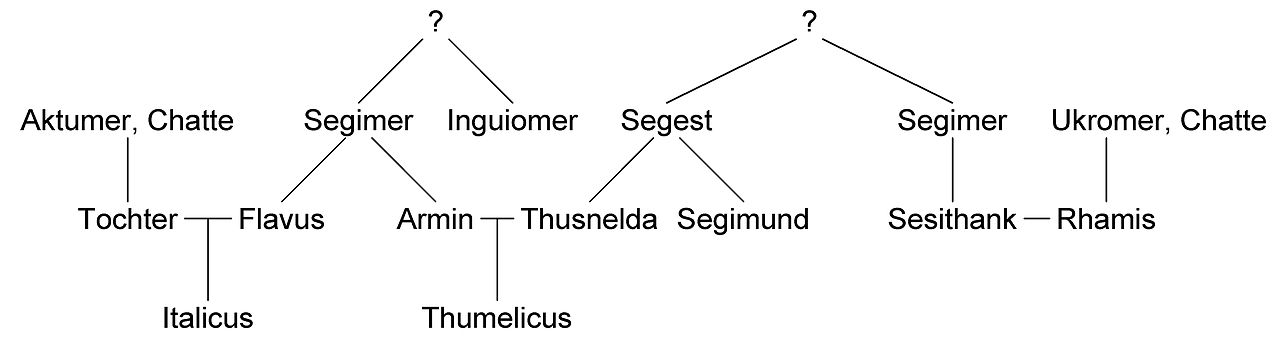
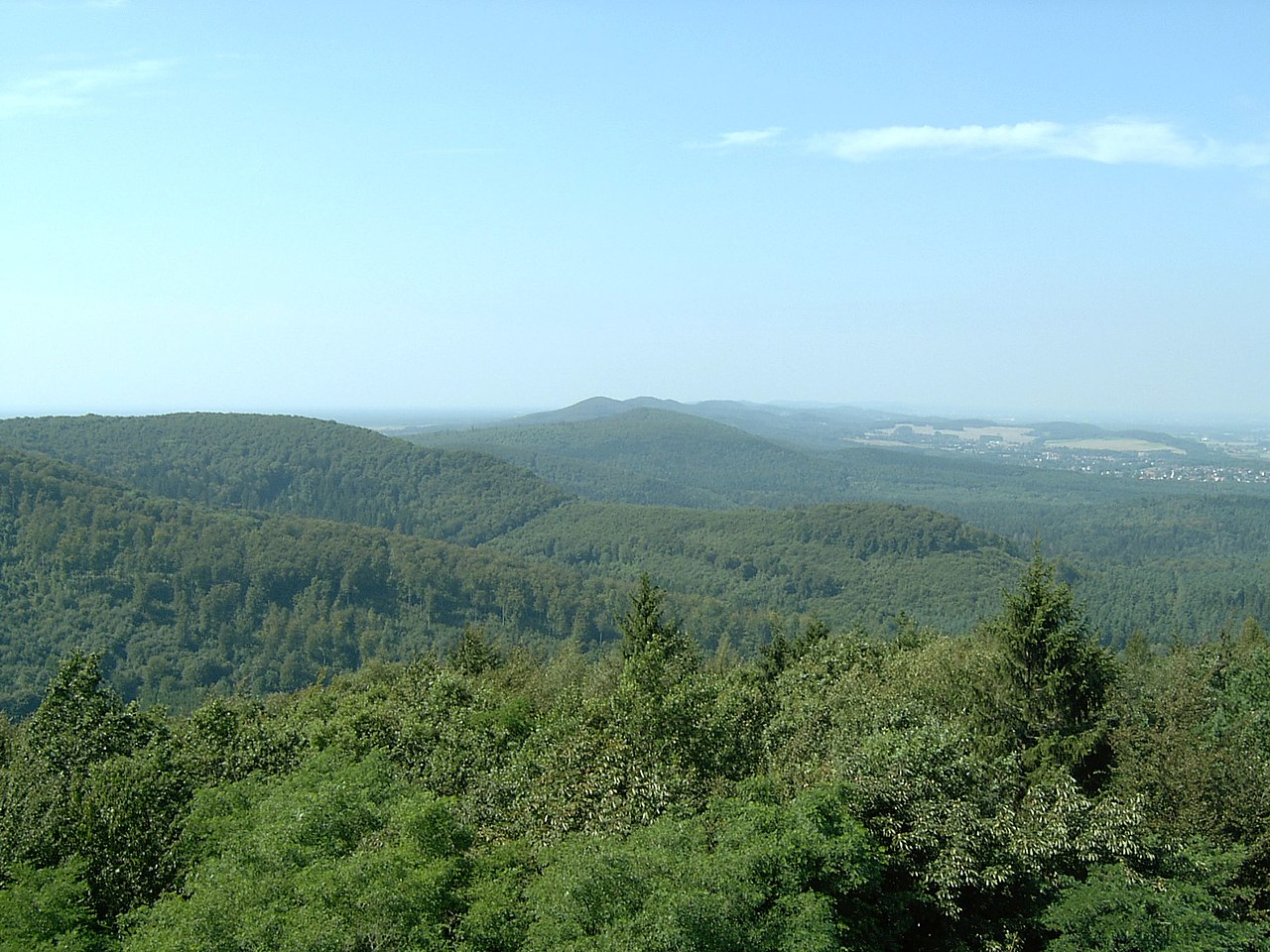
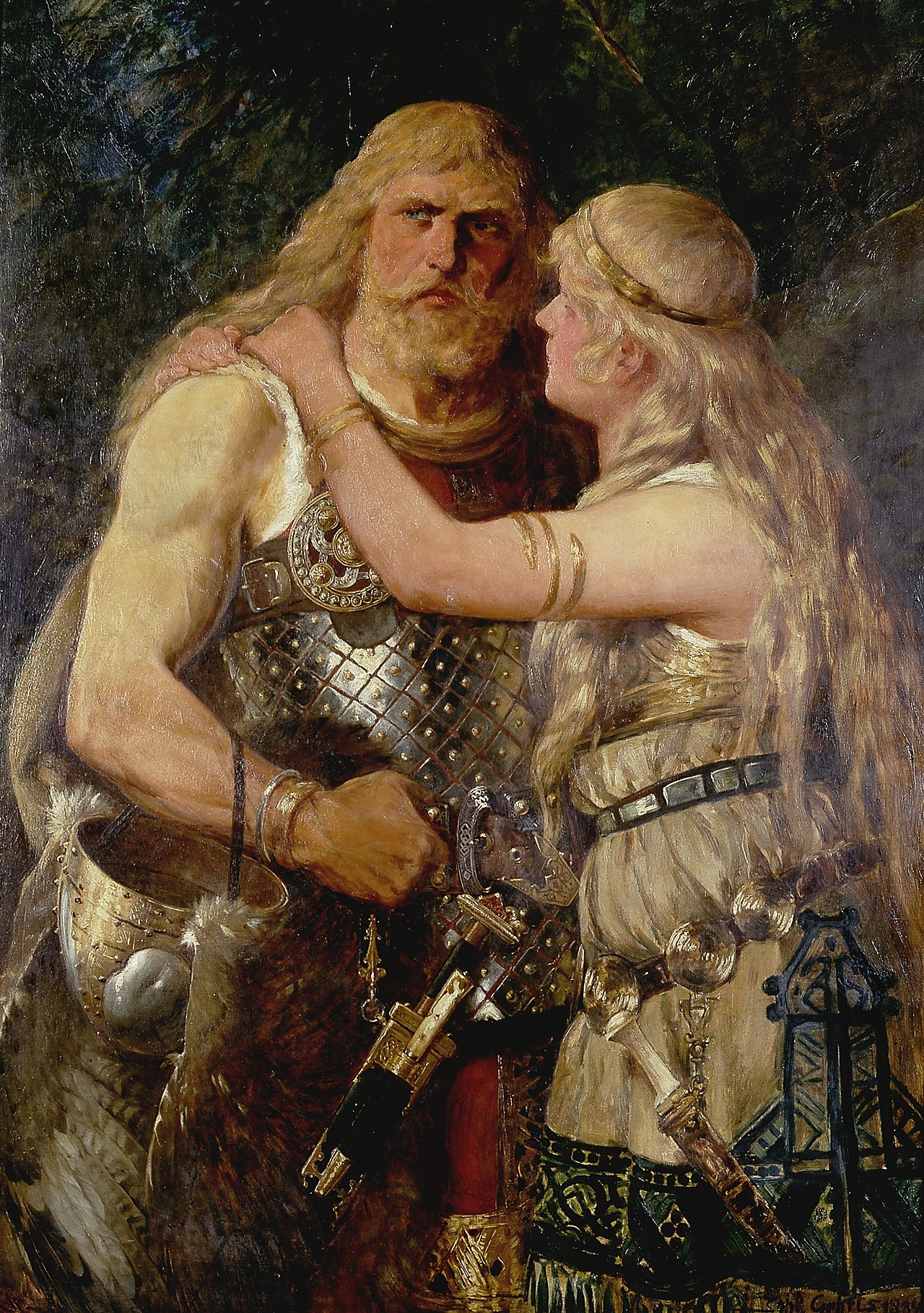


Background and rise
As a youth Arminius spent time in Roman service as an auxiliary and achieved the rank and status that allowed him to learn Roman military organization, language, and tactics. He acquired Roman citizenship and an equestrian status that made him appear a reliable ally to local pro-Roman leaders such as Publius Quinctilius Varus. Using this insider knowledge and a reputation among Germanic peoples, Arminius was able to forge a broad, if temporary, alliance of tribes that resented Roman interference in their affairs.
The Teutoburg campaign and tactics
In AD 9 Arminius exploited the trust of the Roman commander Varus to draw three legions into difficult terrain and then struck with a coordinated ambush. The Roman force — traditionally identified as legions XVII, XVIII and XIX — was isolated, harried, and overwhelmed by a combination of surprise, local guides, and use of forested terrain unsuited to heavy Roman formations. Contemporary sources emphasize that the victory hinged on local knowledge, deception, and the disruption of Roman command and control. The destruction of the Roman army is frequently described as Rome's greatest military disaster in the region and remains a defining episode in ancient military history; the captured Roman commander Varus died during the battle and his fate became emblematic of the loss to Rome (Roman legions).
Aftermath, diplomacy and death
Following the victory, Arminius sought to consolidate power and to persuade other powerful Germanic rulers to join an anti-Roman alliance. He sent the severed head of Varus to Maroboduus, king of the Marcomanni, in an attempt to secure cooperation, but Maroboduus declined and kept his kingdom neutral. Rome responded with punitive campaigns under generals sent by Augustus and later Tiberius and Germanicus, who recovered some military standards and conducted raids across the Rhine. Arminius was unable to convert his wartime coalition into a stable polity; internal rivalries and shifting loyalties plagued the Cherusci. According to ancient reports, he was murdered by rivals in AD 21, an end that reflected the fractious nature of Germanic politics of the era.
Legacy and historical significance
Arminius's victory shaped the strategic limits of Roman expansion in northern Europe: after the disaster Rome largely ceased major attempts to annex territories east of the Rhine and instead reinforced the river as a frontier. For centuries he was a figure in classical sources such as Tacitus and Velleius, and in the 19th century he became a symbol of German national identity under the name Hermann. Modern historians treat his career as both a remarkable example of native resistance and a demonstration of the fragile coalition politics among early Germanic peoples. Scholarship continues to debate details of the events and the extent of Arminius's ambitions.
Notable facts
- Arminius combined Roman military training with local leadership to stage one of antiquity's most effective ambushes.
- The legions lost in AD 9 were never reconstituted under their old numbers, a rare mark of Roman shock.
- Later Roman operations under Germanicus sought to punish the tribes and recover standards taken in the defeat.
- Arminius's reputation shifted over time from a regional chieftain to a national icon in modern memory.
For further reading on the battle and its context see general surveys of Roman frontier policy and classical sources that record Germanic-Roman interactions. Contemporary summaries and archaeological studies also illuminate how topography and local alliances determined the outcome of campaigns in Germania.
Questions and answers
Q: Who was Arminius?
A: Arminius, also known as Armin or Hermann, was a chieftain of the Cherusci.
Q: What was Arminius known for?
A: Arminius was known for uniting a group of Germanic tribes together to fight the Romans and for destroying a Roman army in the Battle of the Teutoburg Forest.
Q: When was Arminius born and when did he die?
A: Arminius was born in 18 BC/17 BC in Magna Germania and died in AD 21 in Germania.
Q: What was the Battle of the Teutoburg Forest?
A: The Battle of the Teutoburg Forest was a battle in which Arminius and his group of Germanic tribes destroyed a Roman army, which was the greatest military disaster the Romans had ever suffered.
Q: What did Arminius do after the Battle of the Teutoburg Forest?
A: After the Battle of the Teutoburg Forest, Arminius immediately sent Varus' severed head to Maroboduus, king of the Marcomanni, and offered an anti-Roman alliance.
Q: Did Maroboduus accept Arminius' alliance?
A: No, Maroboduus declined Arminius' alliance and instead sent Varus' head to Rome for burial, remaining neutral throughout the ensuing war.
Q: Did war break out between Arminius and Maroboduus?
A: Yes, later on a brief, inconclusive war broke out between Arminius and Maroboduus.
Related articles
Author
AlegsaOnline.com Arminius (Hermann): Cherusci leader and victor at Teutoburg Leandro Alegsa
URL: https://en.alegsaonline.com/art/5733