
Psychokinesis: concept, history, research, and cultural impact
Overview of psychokinesis (telekinesis), its definitions, historical development in parapsychology, experimental approaches, scientific criticisms, and role in culture and entertainment.
Overview
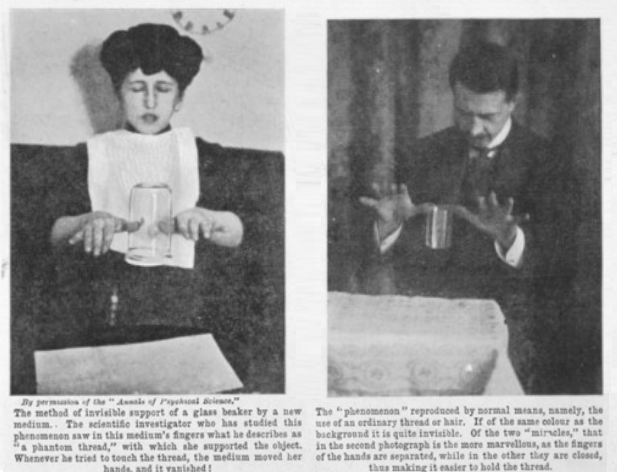
Psychokinesis, often called telekinesis, is a claimed ability to influence physical systems solely through mental intention. Descriptions vary from small statistical effects on electronic devices to dramatic movements of visible objects. The term is used mainly within parapsychology and popular culture; it is not established within mainstream physical science because proposed effects lack widely accepted, reproducible evidence.
Image gallery
7 Images





Characteristics and types
Practitioners and researchers draw a distinction between several forms of alleged psychokinetic phenomena:
- Macro-PK — apparent movement or displacement of everyday objects.
- Micro-PK — subtle influences measured as deviations in random processes or sensitive instruments.
- Indirect PK — effects observed through intermediate systems or amplifiers.
Research approaches and criticism
Investigations have included controlled laboratory tests, randomized generator experiments, and statistical meta-analyses. Critics point to methodological flaws, publication bias, insufficient replication, and possible fraud as reasons mainstream science remains unconvinced. Proposed mechanisms are speculative and often conflict with well-tested physical laws; consequently, psychokinesis is treated skeptically in physics and neuroscience.
Cultural and historical context
Interest in mind-over-matter ideas dates back to spiritualist movements and early parapsychology. Psychokinesis has become a staple of fiction, film, and games, where creators dramatize mental powers for narrative effect. Stage performers and mentalists sometimes simulate telekinetic effects using illusion techniques.
Distinctions and further reading
Psychokinesis is distinct from related claims such as telepathy (mind-to-mind communication) or clairvoyance (knowledge of distant events). For introductory overviews and critical assessments see general summary, experimental reviews at research sites, skeptical analyses at critical resources, historical accounts at history pages, cultural surveys at media guides, and demonstrations or media portrayals at entertainment references.
Related articles
Author
AlegsaOnline.com Psychokinesis: concept, history, research, and cultural impact Leandro Alegsa
URL: https://en.alegsaonline.com/art/79856