
Prunus japonica (Korean cherry) — description, distribution, and uses
Prunus japonica, the Korean cherry or flowering almond, is a compact deciduous shrub grown for spring blossom and small tart fruit; native to parts of East Asia and used ornamentally and for small-scale preserves.
Overview
Prunus japonica (synonym Cerasus japonica) is a deciduous shrub in the genus Prunus. Common English names include Korean cherry, flowering almond and oriental bush cherry. It is principally cultivated for its showy early spring flowers and its compact, multi-stemmed habit that suits small gardens, rockeries and bonsai culture. The species is valued for ornamental planting where early-season blossom is desirable.
Image gallery
3 Images

Description
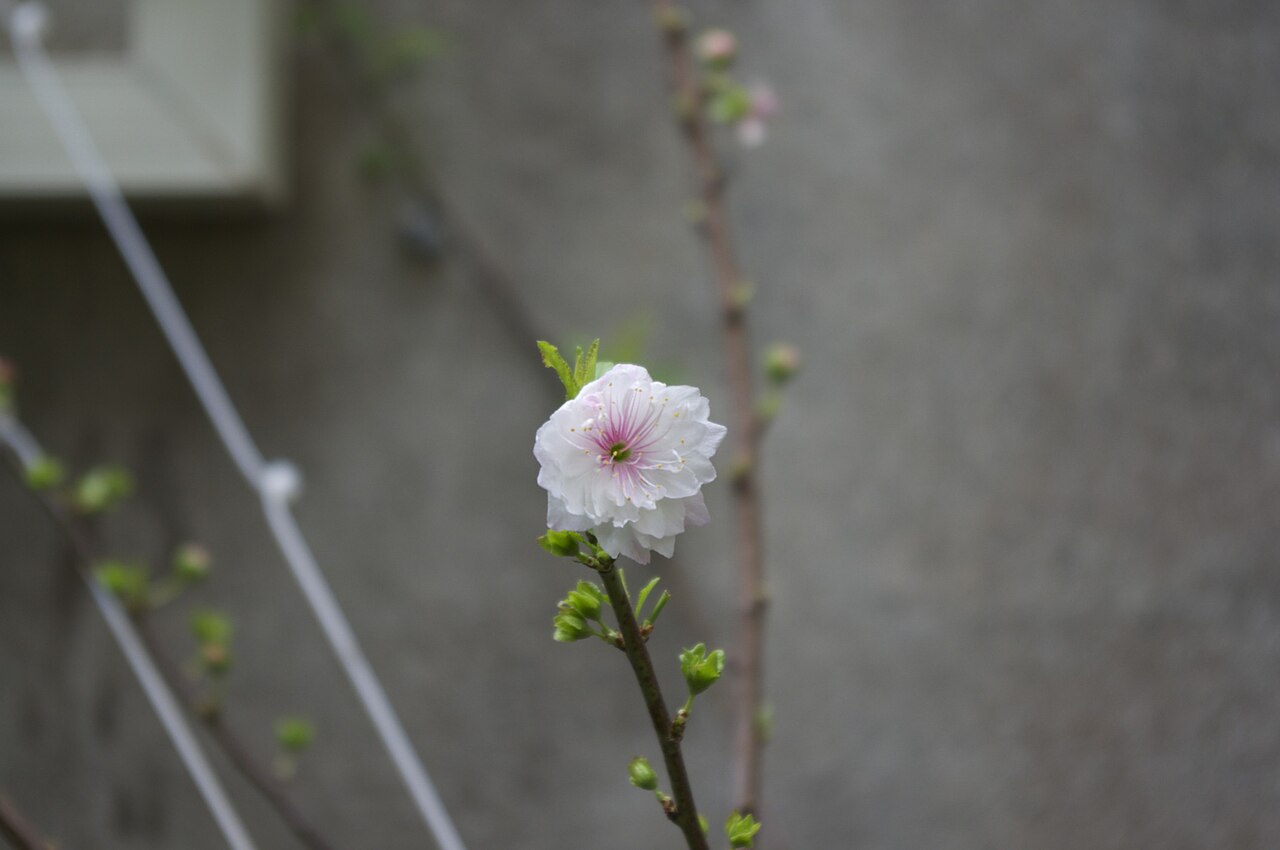
P. japonica typically forms a low, rounded shrub with multiple stems. Flowering occurs in early spring before or as the leaves expand, producing single to semi-double blossoms that range from white to pale pink. Leaves are simple and serrated; they appear after flowering and may develop autumn color. The fruit are small, rounded drupes that resemble miniature cherries; they are usually bright red when ripe and are tart to sour in flavor, often used for preserves rather than eaten fresh by most people.
Distribution and habitat
Wild populations are native to parts of East Asia, with a range extending from central regions of China eastward toward the Korean peninsula. The precise native limits are interpreted differently in various botanical works, and plants with similar appearance occur in neighboring areas. It has been introduced to temperate gardens outside its native range and is commonly grown in Europe and North America as an ornamental.
Cultivation and propagation
P. japonica adapts to a range of temperate garden conditions. It prefers full sun to partial shade and well-drained, moderately fertile soil. Regular pruning after flowering helps maintain shape, encourages new shoots and improve flowering the following season. Propagation is commonly by seed, semi-ripe cuttings or layering; grafting onto Prunus rootstocks is sometimes used in nursery production. Detailed cultivation notes are available from horticultural sources and plant suppliers: cultivation and care.
Pests, diseases and management
As with many Prunus species, P. japonica can be susceptible to common pests such as aphids and scale insects and to fungal diseases including leaf spot and fruit rot in poorly drained or humid conditions. Good cultural practice — adequate spacing, pruning for air circulation and removing fallen fruit and diseased wood — reduces the impact of pests and pathogens. For practical control measures consult regional plant health guidance and nursery literature: horticulture notes.
Uses
- Ornamental: widely planted for spring flower displays in mixed borders, rock gardens and small yards.
- Bonsai and trained specimens: its compact growth and early flowering make it suitable for bonsai and container culture.
- Culinary: the small sour fruits are sometimes used for jams, jellies or preserves rather than eaten raw.
- Hedging and screening: when planted in groups it can form a low informal hedge.
Taxonomy and similar species
The species has been treated under different names in the botanical literature; synonyms and historical placements in the genus are noted in taxonomic references: taxonomic reference. It can be confused in horticulture with other small cherry shrubs such as Prunus maximowiczii (Miyama cherry), which is also sometimes called Korean cherry. Distinguishing characters include details of leaf shape, flower form and fruit size; consulting a regional flora or specialist identification guide helps resolve such confusion: distribution resources.
Conservation and notes
P. japonica is not generally regarded as globally threatened, but local population status depends on habitat condition and land-use changes. In cultivation it remains popular for its manageable size and reliable spring interest. For further reading and plant material, gardeners and researchers should consult botanical gardens, regional floras and reputable nursery catalogues.
Questions and answers
Q: What is Prunus japonica?
A: Prunus japonica is a shrub in the genus Prunus that is used for ornamental use.
Q: What are some other names for Prunus japonica?
A: Prunus japonica is also called Korean cherry, Flowering almond, or Oriental bush cherry.
Q: Where is the range of Prunus japonica?
A: The range of Prunus japonica goes from Central China through to the Korean peninsula.
Q: What is P. maximowiczii?
A: P. maximowiczii is another species of cherry tree that is often called Korean cherry.
Q: Is Prunus japonica primarily used for its fruit?
A: No, Prunus japonica is primarily used for ornamental purposes.
Q: What other types of plants are in the genus Prunus?
A: Other types of plants in the genus Prunus include cherry, apricot, almond, and plum trees.
Q: What is the botanical or scientific name for Prunus japonica?
A: The botanical or scientific name for Prunus japonica is also Cerasus japonica.
Related articles
Author
AlegsaOnline.com Prunus japonica (Korean cherry) — description, distribution, and uses Leandro Alegsa
URL: https://en.alegsaonline.com/art/79791