
Province of Terni
An overview of the Province of Terni in Umbria, central Italy: geography, history, economy, culture and notable sites including Terni city and Marmore Falls.
Overview
The Province of Terni is an administrative area in central Italy that forms the southern portion of the Umbria region. In Italian it is called Provincia di Terni. It is one of the two provinces that make up Umbria, the other being Perugia. The territory sits within Central Italy and takes its name and administrative seat from its capital city, Terni, which is also linked from official pages as the provincial capital.
Image gallery
10 Images




Geography and landscape
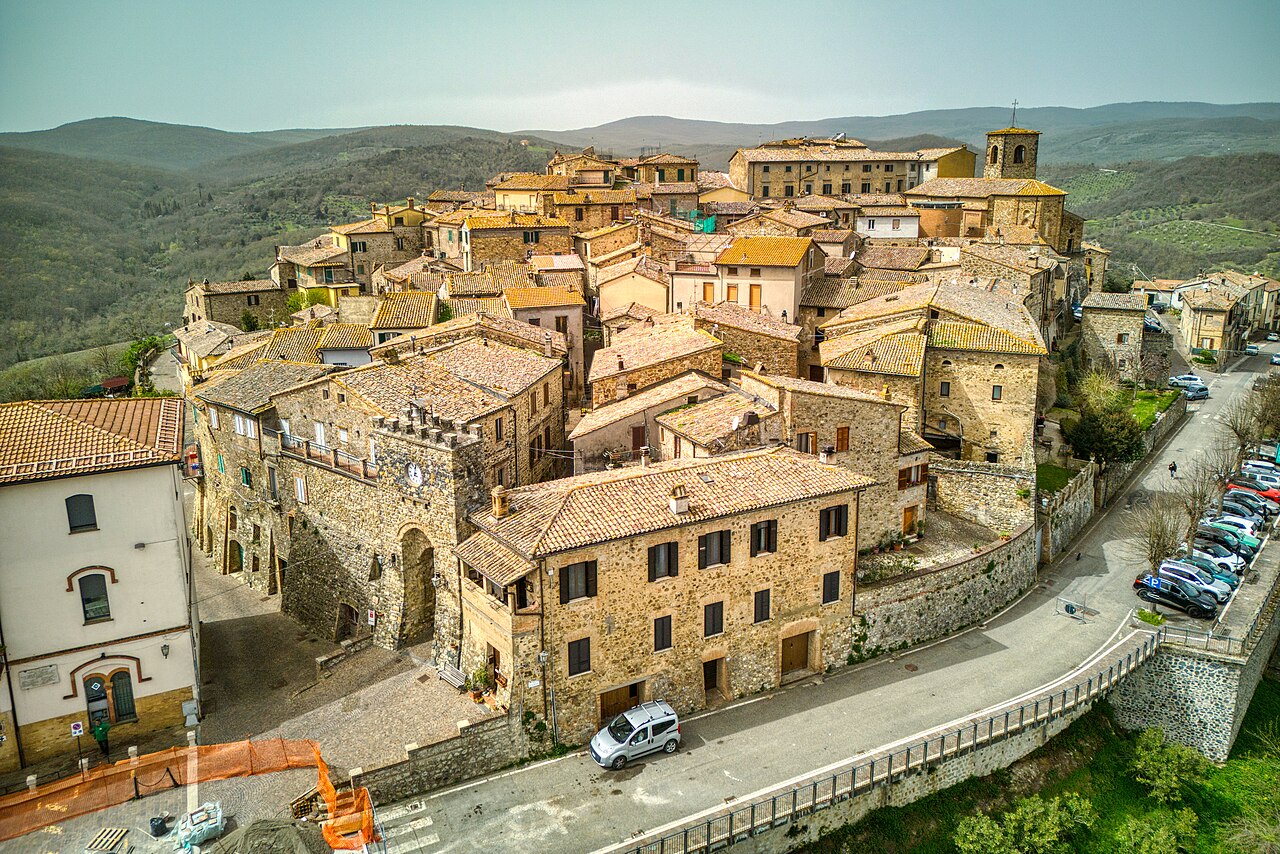
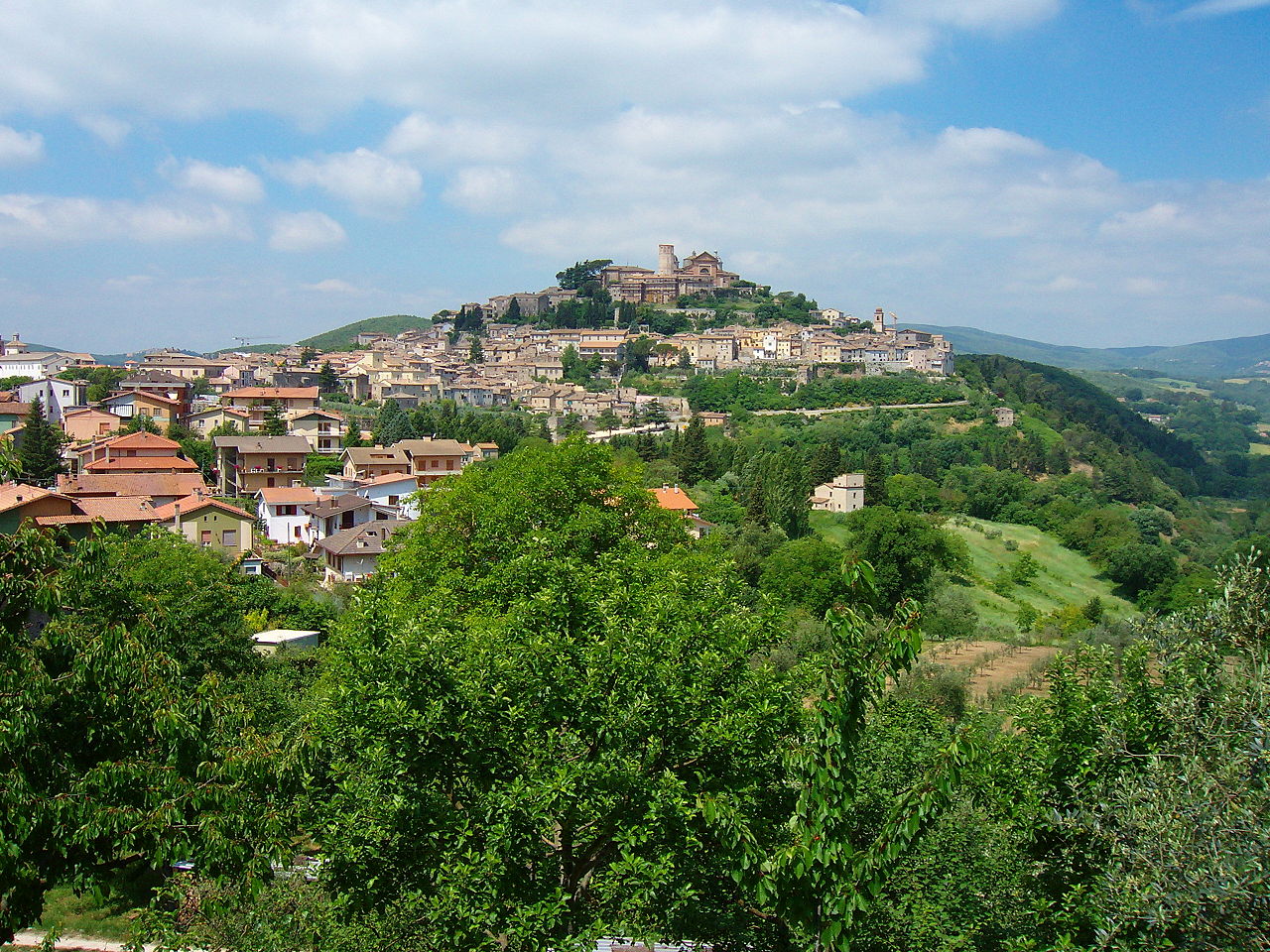
The province covers a varied landscape of river valleys, limestone plateaus and Apennine foothills. Major waterways such as the Nera River cut deep gorges and feed notable waterfalls and hydroelectric works. Rural areas include woodland, vineyards and pasture, while higher elevations provide access to trails and natural reserves.
History and identity
This portion of Umbria has layered histories from pre-Roman and Etruscan settlement to medieval towns and modern industrial development. Some sites retain visible Etruscan and medieval architecture; others memorialize later phases such as nineteenth and twentieth century industrialization. Religious and cultural traditions remain important, including associations with local saints and longstanding festivals.
Economy and uses
The economic profile mixes industry and tourism. The city of Terni developed a notable metalworking and steel sector and has been nicknamed for its industrial role. Agriculture, small manufacturing, energy production and growing service and tourism sectors contribute to the local economy. Visitors are drawn by natural attractions, historic centres and archaeological sites.
Culture, attractions and notable facts
- Natural attractions: famous waterfalls and river gorges, including engineered and scenic falls near the Nera valley.
- Historic towns: medieval centres with cathedrals, Etruscan remains and fortified hilltop villages.
- Cultural connections: local traditions, cuisine and events linked to Umbrian identity and religious heritage.
Administration and visiting
The province includes a number of municipalities, from the provincial capital to smaller towns and rural communes. For administrative information or tourism planning consult provincial and municipal resources: general province pages are often titled simply Province and municipal portals or tourist sites provide details on transport, accommodations and points of interest. Additional reference material and maps can be found through regional and national guidance pages Central Italy or local city sites such as Terni and historic town pages like the capital.
For further reading on local history, landmarks and travel tips see provincial guides and heritage listings available from official cultural and tourism offices Provincia di Terni and regional portals Umbria.
Related articles
Author
AlegsaOnline.com Province of Terni Leandro Alegsa
URL: https://en.alegsaonline.com/art/79708
Sources
- cms.provincia.terni.it : "Presidente"
- tuttitalia.it : "Provincia di Terni"
- demo.istat.it : "Statistiche demografiche ISTAT"
- peakbagger.com : "Italy Province High Points"
- tuttitalia.it : "Comuni in Provincia di Terni per popolazione"
- tuttitalia.it : "Comuni in Provincia di Terni per superficie"