
Province of Verbano-Cusio-Ossola
Northern Italian province in Piedmont centered on Lake Maggiore, Lake Orta and the Ossola valleys; capital Verbania; noted for alpine scenery, lake tourism, hydroelectricity and cross-border links to Switzerland.
Overview
The Province of Verbano-Cusio-Ossola lies in the far north of the Italian region of Piedmont. It combines alpine valleys and lakeshore landscapes and takes its name from three historic areas: Verbano (Lake Maggiore), Cusio (Lake Orta) and Ossola (the high valleys). The provincial seat is Verbania, and the territory forms a geographic bridge between Italy and Italy's northern neighbour, Switzerland.
Image gallery
10 Images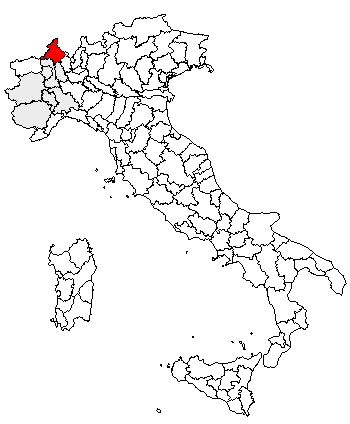




Geography and principal towns
Topographically the province ranges from low lakeside promenades to steep Alpine peaks. Lake Maggiore dominates the southern and western parts, while Lake Orta (Cusio) sits to the west of the central spine. The Ossola area consists of a series of narrow valleys climbing into high mountain passes and ski areas. Important towns include Verbania, Domodossola, Stresa, Omegna and Cannobio, each acting as local centres for tourism, services and transport.
History and transport links
The area has long sat on cross‑Alpine routes connecting northern Italy with Switzerland. Its valleys and passes have been used since antiquity for trade and seasonal migration. In more recent times the railroad and road links through Domodossola and the Simplon corridor have reinforced ties with Switzerland, while ferry services and lakeside roads link lake towns along Lake Maggiore.
Economy and culture
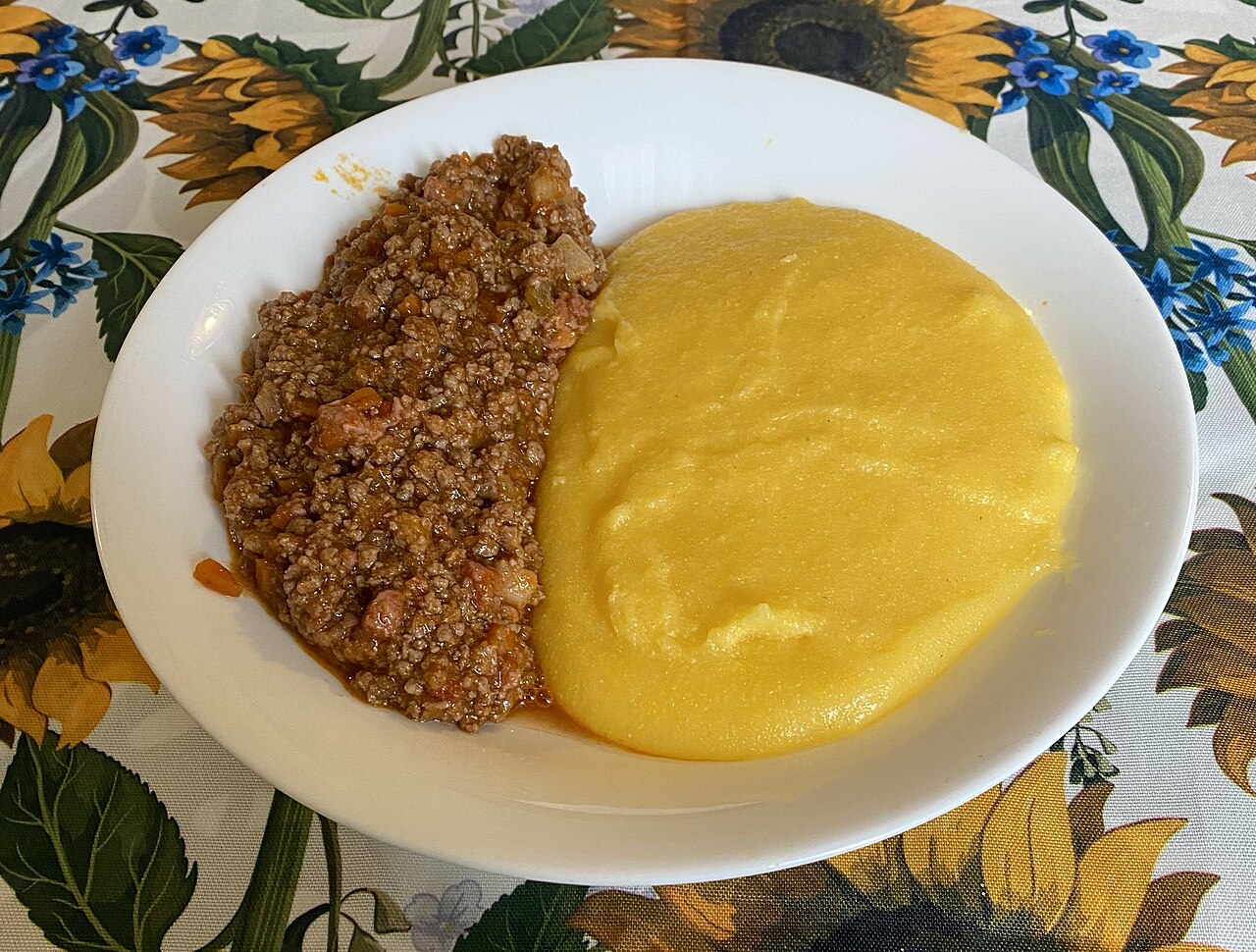
The province's economy is diversified: tourism based on lakes, gardens and alpine recreation; hydroelectric power harnessed from mountain rivers; small‑scale manufacturing and traditional crafts in towns; and agriculture in valley floors. Local cuisine reflects lake and mountain produce, including freshwater fish, polenta and regional cheeses. Cultural attractions include botanical gardens, historic villas and mountain sanctuaries.
Notable sites and distinctions
- Borromean Islands and historic villas on Lake Maggiore, popular for gardens and architecture.
- Villa Taranto in Verbania, notable botanical gardens.
- Alpine valleys of Ossola offering hiking, skiing and high‑altitude scenery.
- Lake Orta (Cusio), a smaller, quieter lake with medieval towns and island sanctuary.
Despite its compact area, the province combines distinct landscapes and cultural influences, making it a notable crossroads of mountain and lake tourism, hydropower production and cross‑border commerce with Switzerland.
Related articles
Author
AlegsaOnline.com Province of Verbano-Cusio-Ossola Leandro Alegsa
URL: https://en.alegsaonline.com/art/79721