
Province of New Jersey (Colonial Period)
Overview of the Province of New Jersey, its indigenous populations, European settlement, governance, economy, and legacy through the American Revolution.
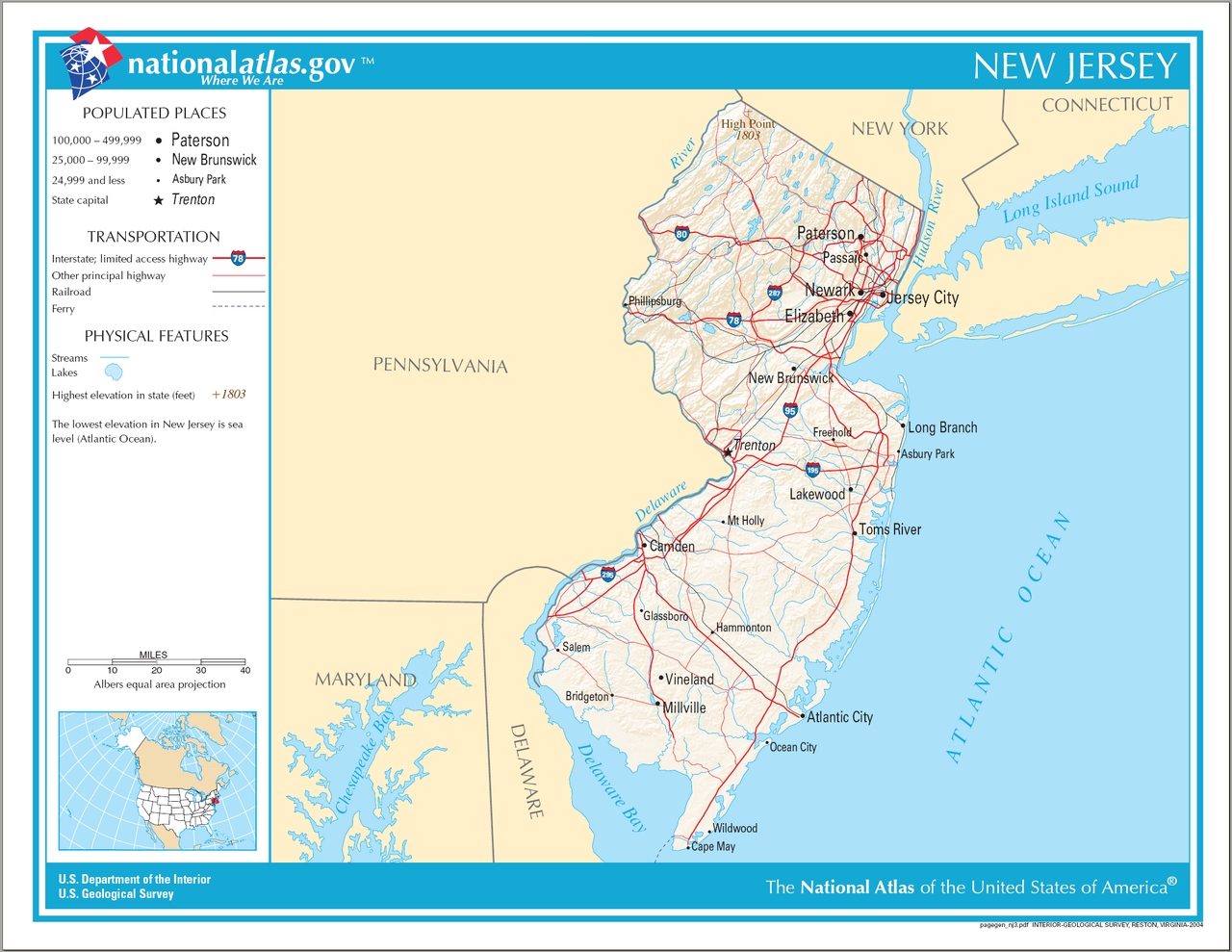
The Province of New Jersey was an English colony in North America from the mid-17th century until the American Revolution. Bordered by the Hudson River to the east and the Delaware River to the west, the province occupied land that is now the U.S. state of New Jersey. Its political life moved from proprietary rule, marked by land grants and local assemblies, to a royal colony and, ultimately, to participation in the independence movement that produced the United States.
Image gallery
10 Images





Indigenous inhabitants
Long before European settlement, the territory was home to Algonquian-speaking peoples commonly referred to by colonists as the Delaware Indians or Lenape. Archaeological and oral histories indicate these communities occupied the area for thousands of years. Estimates recorded by early visitors suggest several thousand Lenape lived across the region when Europeans first arrived. They organized in small kin-based settlements, practiced seasonal hunting and fishing, and cultivated crops such as corn, beans and squash. Their language belonged to an Algonquian dialect family and their territory extended into parts of what became Pennsylvania and coastal Mid-Atlantic lands, including areas later described as eastern Pennsylvania.
European colonization and governance
European interest in the New Jersey shore began with Dutch and Swedish presence in the 17th century as they established trading posts and small colonies within the larger New Netherland sphere. Control shifted in 1664 when English forces took possession. The Crown granted the tract that became New Jersey to proprietors, notably Sir George Carteret and Lord Berkeley, who issued land patents and sought settlers by offering religious toleration and land security. At times the province was administratively divided into East Jersey and West Jersey with differing proprietorial holdings and settlement patterns. Political disputes, land speculation, and conflicting claims led to reorganization; by the early 18th century the province was consolidated under more direct British oversight as a royal colony.
Society, economy, and settlement patterns
Settlement in colonial New Jersey was diverse. Small family farms predominated, supplemented by towns that served as commercial and civic centers. Coastal and river ports facilitated trade in agricultural goods, lumber and immigrants. The population included English, Dutch, Swedish, African (both enslaved and free), and other European settlers, producing a patchwork of languages and religious practices. Proprietary policies that encouraged land ownership attracted a mix of Quakers, Presbyterians, Anglicans and other dissenting congregations, contributing to a reputation for relative religious tolerance compared with some neighboring colonies.
Role in the American Revolution and legacy
New Jersey's central location between New York and Philadelphia made it strategically important during the Revolutionary War. Important engagements and military movements occurred on its soil as armies crossed the state’s roads and rivers. The colony's institutions, population, and economy were transformed by wartime pressures and by the emergence of republican government. After 1776, the province ceased to exist as a colonial polity and its territory became the state of New Jersey in the new United States. Its colonial experience—proprietary landholding, religious diversity, and mixed settlement patterns—helped shape later legal, social, and political developments in the region.
Key features and distinctions
- Transition from Dutch/Swedish presence to English proprietary rule and then to a royal colony.
- Significant Lenape presence prior to sustained European settlement and ongoing Indigenous influence on place names and early relations.
- Relatively pluralistic society with multiple European ethnic groups and religious denominations.
- Strategic location that made the province important during the Revolutionary era.
Taken together, these elements make the Province of New Jersey a notable example of colonial development in North America: a borderland of cultural contact, contested ownership, and gradual political evolution from proprietary experiment to statehood within a democratic republic.
Questions and answers
Q: Who were the first people to live on the land now known as New Jersey?
A: The first people to live on the land now known as New Jersey were the Delaware Indians.
Q: How long have they been living in this area?
A: They have been living in this area for at least 10,000 years.
Q: What does their name mean?
A: Their name means "original people" or "genuine people."
Q: What language did they speak?
A: They spoke an Algonquian dialect.
Q: How did they organize themselves?
A: They lived in small communities made up mostly of extended family members.
Q: What activities did men and women do during the day?
A: Men would hunt or fish during the day, while women worked in gardens growing squash, beans, sweet potatoes, and corn.
Q: Where else did Delaware Indians live besides New Jersey?
A: When the first explorers came, Delaware Indians also lived in parts of Delaware and eastern Pennsylvania.
Related articles
Author
AlegsaOnline.com Province of New Jersey (Colonial Period) Leandro Alegsa
URL: https://en.alegsaonline.com/art/79661