
Prostatectomy
Prostatectomy is surgical removal of part or all of the prostate gland. This article explains types, indications, techniques, risks, recovery, and alternatives in neutral, concise terms.
Overview
Prostatectomy refers to the surgical removal of part or all of the prostate gland. It is most commonly performed to treat prostate cancer or to relieve urinary obstruction caused by an enlarged prostate. Procedures vary in extent and approach, and the choice depends on the underlying disease, the patient’s overall health, and the goals of treatment. For a brief medical definition, see prostate gland information.
Image gallery
3 Images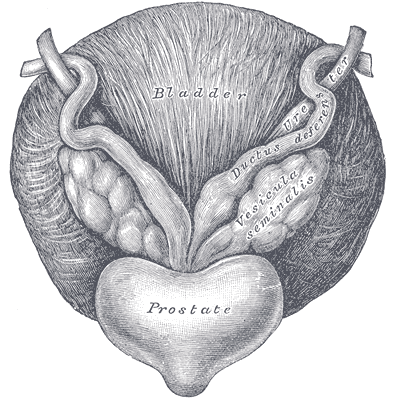

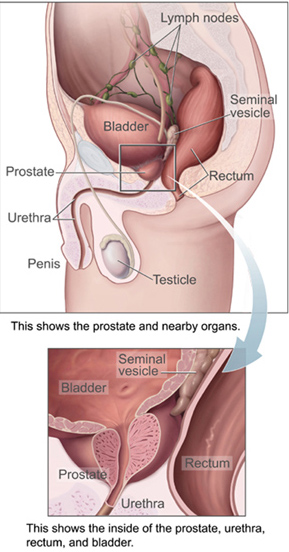
Types and surgical approaches
There are two broad categories: simple (or partial) prostatectomy, which removes only obstructing prostate tissue and is used mainly for benign enlargement, and radical prostatectomy, which removes the whole prostate and seminal vesicles and is used for cancer treatment. Approaches include open surgery via an abdominal or perineal incision, laparoscopic surgery, and robot-assisted laparoscopy. Some operations aim to spare the nearby neurovascular bundles to reduce the risk of erectile dysfunction; this is called a nerve-sparing technique.
Indications, evaluation, and preparation
Common indications include localized prostate cancer that is suitable for surgical cure and significant urinary retention or obstruction not controlled by medication. Preoperative evaluation typically includes clinical examination, imaging or biopsy for cancer staging, and assessment of urinary and sexual function. Patients are counseled about possible outcomes and alternatives, such as radiation therapy or conservative management.
Risks and complications
All prostatectomies carry potential complications. Frequent issues include:
- Urinary incontinence, often temporary but sometimes persistent.
- Erectile dysfunction, which may improve over months if nerve-sparing was possible.
- Bleeding, infection, and anesthetic risks.
- Urethral stricture or bladder neck narrowing in some cases.
Patients seeking more information about cancer-related indications can consult resources on prostate cancer treatment.
Recovery and postoperative care
Hospital stays commonly range from one to several days depending on the approach and individual recovery. Many patients require a urinary catheter for about one to three weeks to allow healing of the bladder and urethra. Catheter care and early bladder management are important topics; see postoperative bladder management and general guidance on hospital care and follow-up. Rehabilitation may include pelvic floor (Kegel) exercises to improve continence and, when appropriate, medical or device-based options to address erectile dysfunction.
Outcomes, alternatives, and historical notes
When used for localized cancer, radical prostatectomy can offer long-term disease control for many patients, especially when combined with appropriate staging and follow-up. Alternatives include radiation therapy, focal therapies, active surveillance for low-risk disease, and medical management for benign prostatic symptoms. Surgical techniques have evolved over the 20th and early 21st centuries, with minimally invasive and robotic-assisted methods designed to reduce blood loss and speed recovery while attempting to preserve function.
Decisions about prostatectomy should be individualized, weighing the expected benefits and risks, and made in coordination with urologists and other specialists.
Related articles
Author
AlegsaOnline.com Prostatectomy Leandro Alegsa
URL: https://en.alegsaonline.com/art/79491
Sources
- mayoclinic.com : "Prostate cancer: Treatments and drugs - MayoClinic.com"
- webmd.com : "Radical prostatectomy"