
Prostate: anatomy, function, common conditions, diagnosis and treatment
Comprehensive overview of the prostate gland: location, role in reproduction, common disorders (BPH, prostatitis, cancer), symptoms, screening, and treatment approaches.
Overview
The prostate is a small gland of the male reproductive system that contributes fluid to semen and helps propel ejaculate during orgasm. Located below the urinary bladder and surrounding the urethra, a healthy adult prostate is roughly the size of a walnut but commonly changes with age. The prostate’s secretions contain enzymes, zinc and other substances that support sperm function and influence semen consistency.
Image gallery
10 Images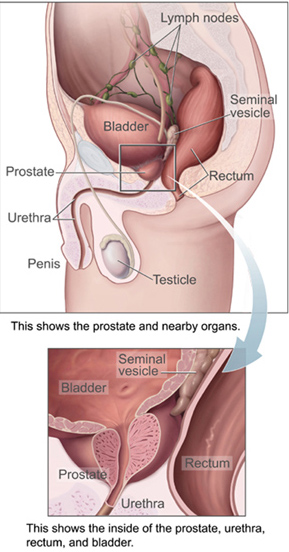


Anatomy and function
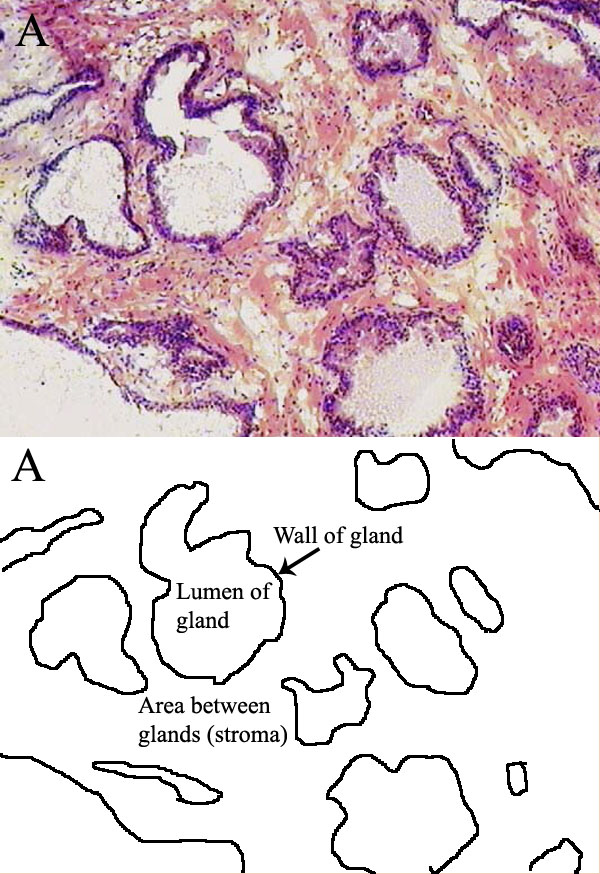
The organ sits in the pelvis and can be described in several zones with distinct clinical importance. It encircles the urethra, the tube that drains urine and semen, which explains why prostate enlargement or inflammation often produces urinary symptoms. The glandular tissue makes most of the prostatic fluid, while fibromuscular tissue contributes to contraction during ejaculation. Prostate-specific antigen (PSA) is a protein produced by prostate cells and is measured in blood as an indicator of prostate activity.
Common conditions and symptoms
Problems affecting the prostate are common, especially with advancing age. Benign prostatic hyperplasia (BPH) is a noncancerous enlargement that can restrict urine flow. Prostatitis refers to inflammation or infection and may cause pain, urinary difficulty and systemic symptoms. Prostate cancer is one of the most frequently diagnosed cancers in men and varies widely in aggressiveness.
- Typical urinary symptoms: hesitancy, weak stream, nocturia, incomplete emptying.
- Other signs: pelvic discomfort, painful ejaculation, blood in urine or semen.
- Some conditions are asymptomatic and detected only by tests or examination.
Diagnosis and screening
Assessment of prostate problems commonly includes a medical history, symptom questionnaires and a physical exam with a digital rectal exam (DRE). Blood tests for prostate-related markers such as PSA are used alongside imaging and biopsy when indicated. Screening strategies vary by age, risk and guidelines; men with symptoms or elevated PSA may be referred for further testing to distinguish benign disease from prostate cancer.
Treatment and management
Management depends on the diagnosis and severity. BPH can be managed with lifestyle changes, medications that relax prostate or shrink tissue, minimally invasive procedures or surgery. Prostatitis treatment ranges from antibiotics to pain control and physical therapies. For prostate cancer, options include active surveillance for low-risk disease, surgery, radiotherapy, hormonal treatments and newer targeted or systemic therapies. Decisions balance disease characteristics, patient health and quality-of-life considerations.
Sexual function, cultural notes and further information
The prostate also has a role in sexual response. Some describe the gland as an erogenous zone or male G-spot, and stimulation of the prostate can contribute to pleasurable sensations and even orgasm in some men. Discussions of prostate health intersect with urology, oncology and sexual medicine. For accessible patient resources and professional guidance, consult trusted medical sources and speak with a healthcare provider.
Additional resources: anatomy references for the male body, clinical summaries about the pelvic organs, guides to semen composition, general human biology references (human physiology), summaries of mortality and epidemiology (mortality), and practical patient information on cysts and benign conditions (urethral relations).
For focused topics: viral or bacterial prostate infection guidance is found in infectious disease literature; sexual health discussions can include safe practices around anal stimulation. When in doubt about symptoms or screening, seek medical evaluation to clarify diagnosis and treatment options.
Related articles
Author
AlegsaOnline.com Prostate: anatomy, function, common conditions, diagnosis and treatment Leandro Alegsa
URL: https://en.alegsaonline.com/art/79490