
Psoriasis: causes, symptoms, types, and management
Chronic immune-mediated skin condition marked by red, scaly plaques. Overview of causes, common types, triggers, diagnosis, treatments, self-care, and associated health issues.
Overview
Psoriasis is a chronic, immune-mediated skin disorder in which skin cells are produced and shed more rapidly than normal. The result is thickened, often scaly or flaky patches that can be localised or widespread. Psoriasis may begin at any age and follows a relapsing and remitting course for many people. Although primarily a skin disease, it can affect nails and joints and is associated with systemic inflammation and a higher burden of other health conditions in some individuals.
Image gallery
10 Images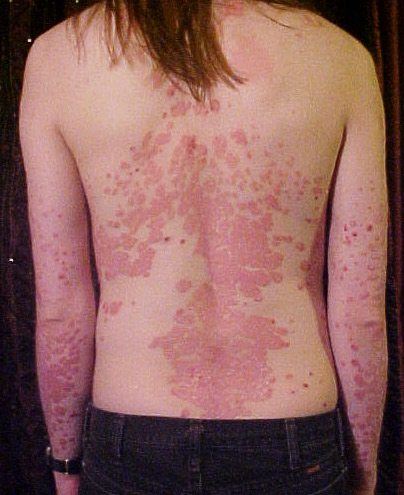





Signs and common symptoms
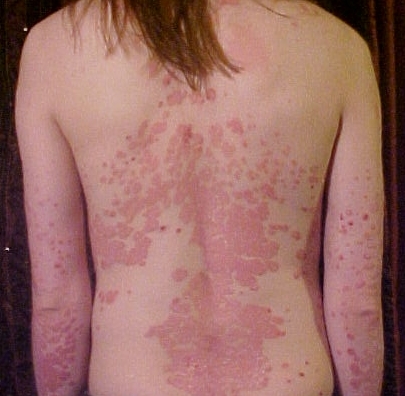
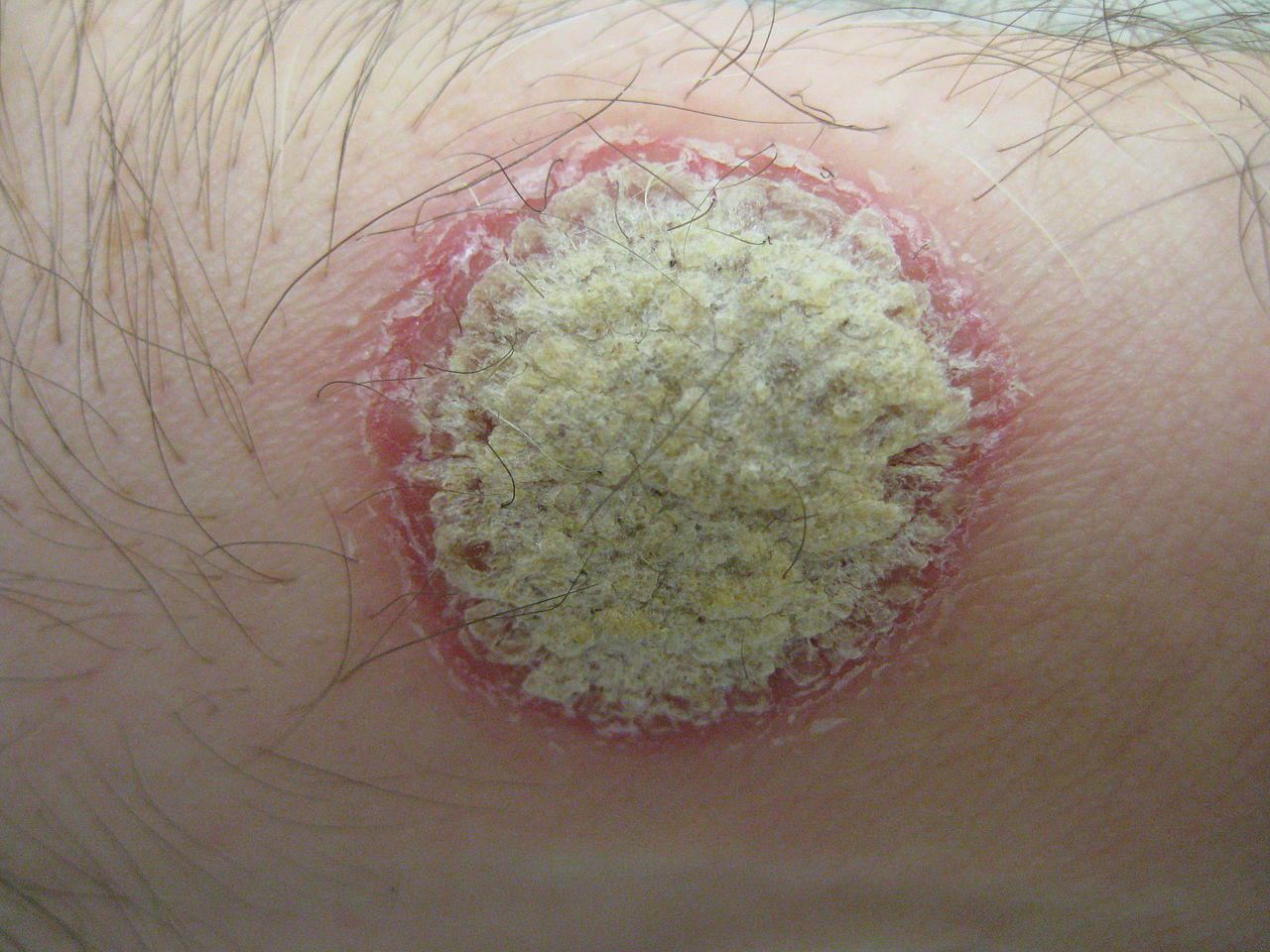
Typical psoriasis lesions are well-defined, red or pink plaques covered with silvery or white scale. Lesions can itch, burn, crack or bleed, particularly where skin is stretched or rubbed. Common sites include the scalp, elbows, knees, lower back, palms and soles, and the area around the nails. Nail involvement can cause pitting, thickening, ridging, discoloration or separation of the nail from the nail bed. When joints are affected, a related condition called psoriatic arthritis causes joint pain, stiffness and swelling and requires separate assessment.
Types and patterns
- Plaque psoriasis: the most common form, with raised, scaly patches.
- Guttate psoriasis: small, drop-like spots often appearing after a throat or other infection.
- Inverse (intertriginous) psoriasis: smooth, red lesions in skin folds such as under the breasts, groin or armpits.
- Pustular psoriasis: characterised by pus-filled bumps on red skin; can be localized (hands and feet) or generalized and severe.
- Erythrodermic psoriasis: widespread redness that can cover large areas of the body and may require urgent care.
- Nail psoriasis and palmoplantar forms: primarily affect nails, palms and soles and may be painful or impair function.
Causes and triggers
The precise cause of psoriasis is not fully understood, but genetic susceptibility and immune system dysregulation are central. In people with psoriasis, certain immune cells activate skin cells to multiply rapidly and produce inflammation. Known triggers that can initiate or worsen lesions include skin injury (the Koebner phenomenon), infections (for example streptococcal throat infection linked to guttate psoriasis), specific medications, excessive alcohol, tobacco use, emotional stress, hormonal changes and sudden withdrawal of systemic corticosteroids.
Environmental factors that dry the skin, such as cold or arid weather and frequent hand washing, may aggravate symptoms for some people. Conversely, humid climates and appropriate moisturization often help reduce scaling and itching.
Diagnosis and differential considerations
Diagnosis is usually clinical, based on the appearance and distribution of lesions and patient history. A skin biopsy can confirm the diagnosis if the presentation is atypical. Other conditions that can look similar include eczema (atopic or contact dermatitis), fungal infections, seborrheic dermatitis and some lichenoid disorders. Nail changes may resemble fungal nail disease, so clinicians may perform targeted tests when needed.
Treatment and management
There is no cure, but many treatments can control symptoms and improve quality of life. Management is tailored to disease severity, affected sites, impact on daily life and other health considerations.
- Topical therapies: emollients (moisturizers), topical corticosteroids, vitamin D analogues and keratolytics to reduce scaling and inflammation.
- Phototherapy: controlled ultraviolet light (narrowband UVB and other protocols) for more extensive disease under medical supervision.
- Systemic therapies: oral or injectable medications that suppress or modify the immune response may be offered for moderate to severe or treatment-resistant disease; these require specialist oversight and monitoring.
- Biologic drugs: targeted agents that block specific immune pathways (for example cytokines involved in psoriasis) are effective for many people with moderate to severe disease.
Self-care and lifestyle measures
Daily skin care can reduce flares and improve symptom control: regular use of moisturizers, gentle cleansing with mild soaps or syndets, avoiding very hot water, and patting the skin dry rather than rubbing. For hands, applying an emollient after washing and using protective gloves during wet work can limit irritation. Stress management, smoking cessation, limiting alcohol and maintaining a healthy weight and exercise routine may help overall disease control and reduce associated health risks.
Complications and associated conditions
Psoriasis is associated with a higher prevalence of psoriatic arthritis and may be linked to increased cardiovascular risk factors, metabolic syndrome, depression and, in some cases, inflammatory eye disease. Some systemic treatments can increase susceptibility to infections or require monitoring of blood tests; these considerations are part of shared decision-making with treating clinicians.
Prognosis and when to see a clinician
Psoriasis varies widely between individuals. Some have intermittent, mild plaques that respond well to topical care, while others experience persistent or extensive disease requiring long-term systemic treatment. Seek medical advice if skin symptoms are widespread, rapidly worsening, involve the joints, are painful or show signs of infection, or if psoriasis is affecting quality of life or mental health. Early assessment and a coordinated treatment plan can reduce symptoms, prevent complications and improve daily functioning.
Related articles
Author
AlegsaOnline.com Psoriasis: causes, symptoms, types, and management Leandro Alegsa
URL: https://en.alegsaonline.com/art/79835