
Prometheus (2012 film)
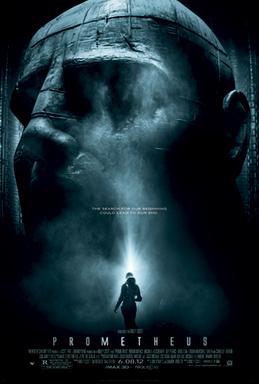
Prometheus is a 2012 science-fiction horror film directed by Ridley Scott that follows an expedition seeking humanity’s creators and examines creation myths, scientific hubris, and existential risk.
Overview
Prometheus is a 2012 science fiction horror film directed by Ridley Scott and written by Jon Spaihts and Damon Lindelof. Marketed as a largely standalone story with acknowledged links to Scott's earlier space-horror work, the picture follows a multidisciplinary crew that assembles a pattern found in multiple ancient cultures and sets out to investigate. The production blends practical sets, detailed creature and production design, and contemporary visual effects to create a cinematic experience that aims to combine speculative science with mythic themes.
Image gallery
10 Images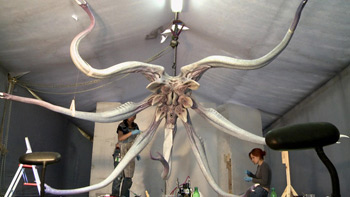


Plot summary
Set toward the end of the 21st century, the narrative centers on archaeologists and scientists who discover a repeating star map among prehistoric artifacts and organize an expedition aboard the spacecraft Prometheus. The crew hopes to answer questions about the origins of humanity, but the planet and installations they find conceal biological agents and ancient technologies. Explorers encounter evidence of a prior intelligence and confront unexpected threats; a sequence of discoveries and mistakes escalates into a fight for survival and raises the specter of catastrophic consequences for human civilization, including a potential extinction-level danger if the biological hazards spread beyond the site.
Cast and characters
- Noomi Rapace as Dr. Elizabeth Shaw, an archaeologist whose faith and determination drive much of the mission's emotional core.
- Michael Fassbender as David, an android whose clinical curiosity and ambiguous loyalties complicate the human crew's plans.
- Guy Pearce as Peter Weyland, an aging industrialist whose corporate interests influence the expedition's aims.
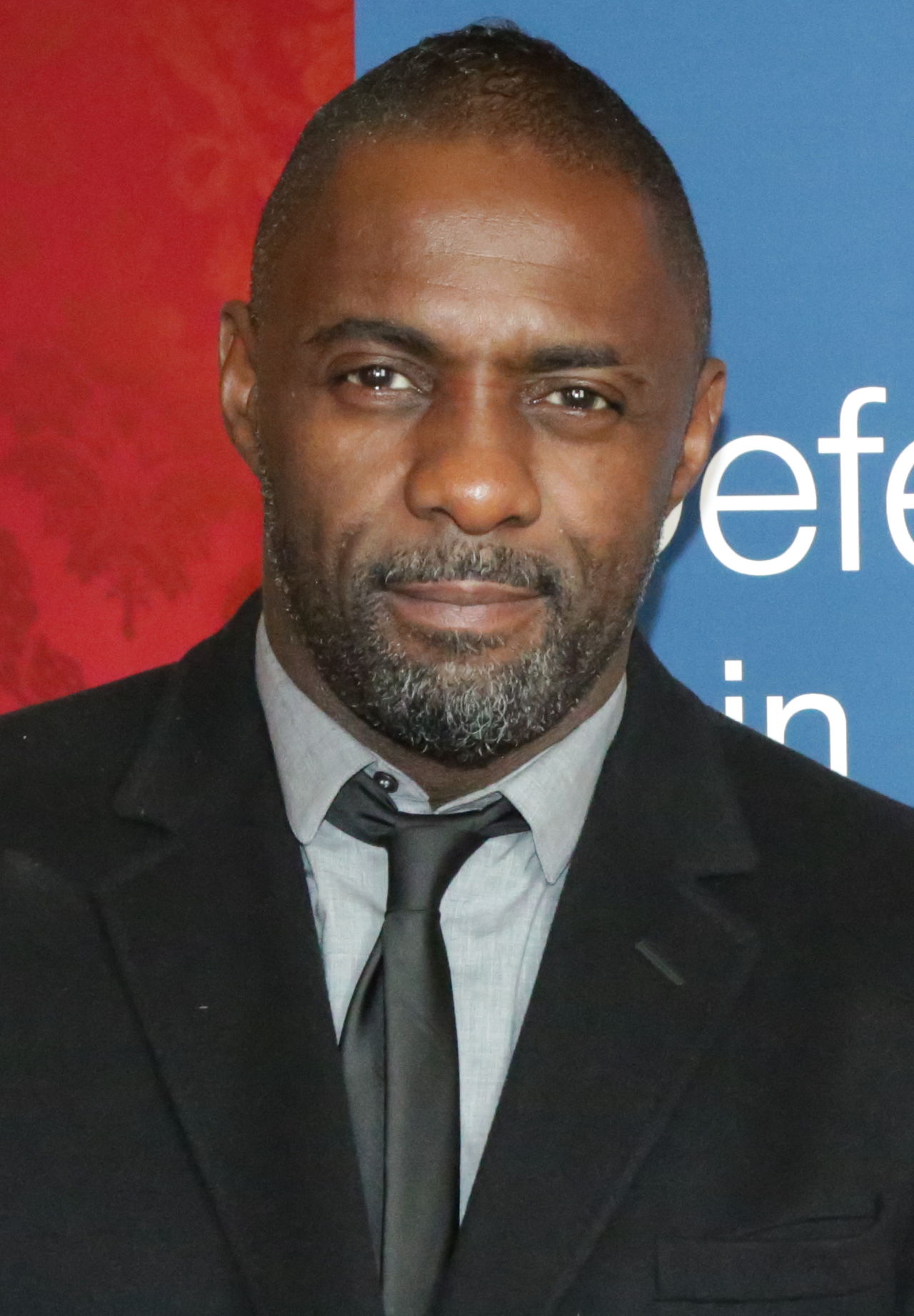
- Idris Elba as Captain Janek, the pragmatic ship commander caught between orders and crew welfare.
- Charlize Theron as Meredith Vickers, a corporate overseer whose presence highlights tensions between commerce and science.
- Logan Marshall-Green and other ensemble members portray the scientists and crew whose skills and decisions determine the mission's outcome.
Themes and influences
Prometheus explicitly engages with enduring themes: the search for creators or gods, the ethics of scientific exploration, and the dangers of hubris. Its title references the Greek mythic figure who brought knowledge to humanity, evoking questions about whether the pursuit of forbidden answers is liberating or catastrophic. The film frames debates of faith versus reason, interrogates what it would mean to meet those who may have made humanity, and probes the moral costs of experimental science performed without full understanding of consequences.
Visually and tonally, the film draws on earlier space-horror traditions while attempting to establish its own iconography. Production and creature design nod to the aesthetic lineage of prior works in the genre, suggesting an ancient, technologically advanced civilization whose artifacts are both beautiful and dangerous.
Production and design
The production emphasized elaborate physical sets complemented by digital effects to create immersive alien environments and large-scale architecture. Art direction, costumes, and creature concepts were developed to suggest a civilization with deep history and technical sophistication; practical effects were used for many interior sequences to provide tactile detail. The filmmakers sought a blend of mythic imagery and industrial pragmatism in order to place philosophical questions inside a believable exploratory context.
Release, reception and legacy
Prometheus premiered on June 1, 2012, in the United Kingdom and opened in North America on June 8, 2012; fuller release information is available from distributors and industry sources. Critical response praised aspects such as production design, atmosphere, cinematography, and several performances while many reviewers and viewers noted narrative ambiguities and unanswered questions. Those divisions stimulated sustained discussion among critics, scholars, and fans about storytelling choices and thematic ambition.
The film's open-ended approach and unresolved mysteries contributed to further storytelling set in the same continuity. A later film continued elements of the narrative and expanded on some of its ideas, reflecting the original picture's role in renewed interest in science-fiction stories that mix blockbuster spectacle with philosophical inquiry.
Discussion and scholarly interest
Beyond popular reaction, Prometheus attracted attention from commentators interested in its treatment of creation myths, bioethics, and human curiosity. Analysts have discussed how the film frames encounters with a possible creator species, the responsibilities of scientific discovery, and the risks of corporate interference in exploratory missions. Its imagery and motifs are frequently cited in debates about modern prequels, franchise-building, and the balance between ambitious thematic content and conventional genre expectations.
Further reading and resources
For general context about the film's genre and impact see resources on science fiction cinema; for director-focused material consult writings about Ridley Scott. Interviews with principal cast members such as Noomi Rapace, Michael Fassbender, Guy Pearce, Idris Elba, and Charlize Theron provide insight into performances and character motivations. Production notes and scholarly essays explore the film's questions about the origins of humanity, the narrative stakes tied to potential extinction scenarios, and its distribution history via official release information.
Related articles
Author
AlegsaOnline.com Prometheus (2012 film) Leandro Alegsa
URL: https://en.alegsaonline.com/art/79417