
Psycho (1998 film) — Gus Van Sant's shot-for-shot remake
A 1998 film by Gus Van Sant that reproduces Alfred Hitchcock's 1960 Psycho shot-for-shot in color and stereo; notable as an artistic experiment and a polarizing remake.
Overview
Psycho (1998) is a feature film directed by Gus Van Sant that recreates Alfred Hitchcock's 1960 classic Psycho on a shot-for-shot basis. Announced and released as an explicit cinematic experiment, the 1998 version reproduces the original film's compositions, camera moves, editing rhythms and dialogue while presenting the material with contemporary film technology.
Image gallery
4 Images

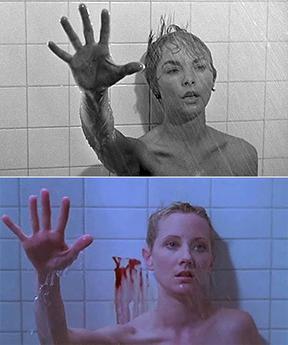
Characteristics and approach
The most distinctive quality of Van Sant's production is its rigorous fidelity to Hitchcock's staging: scenes follow the original's blocking and framing closely, and many sequences are matched almost exactly. Technically, the remake differs in its use of color photography and modern stereo sound rather than the original's black-and-white single-channel audio. Performances and casting were updated for the later production, and small variations in delivery or emphasis create subtle differences even within near-identical scenes.
History and intent
Van Sant framed the project as both an homage and an experiment in cinematic reproduction: to see how a film's meaning changes when every shot is remade with current equipment and actors. The idea provoked discussion about authorship, originality and whether faithful replication can itself be an act of interpretation. For background on Gus Van Sant's work and influences, see Gus Van Sant. For the original film that inspired this remake, see Alfred Hitchcock's Psycho (1960).
Reception and debate
Critics and audiences reacted strongly to the remake, with many reviewers questioning the value of a nearly identical reproduction and arguing that much of Hitchcock's suspense depended on context that was lost or altered. Others treated the film as an intriguing film‑studies exercise that raises questions about fidelity and film language. Contemporary reviews and critical responses discuss these points in detail; a selection of critical perspectives can be found at reviews and analyses.
Key differences and notable facts
- Visual presentation: color film stock versus the original's black-and-white.
- Sound: modern stereo mixing rather than the original mono track.
- Performance and tone: casting and acting choices alter subtle emotional cues despite identical blocking.
- Scholarly interest: often cited in discussions about remakes, adaptation theory and the limits of cinematic reproduction.
Whether viewed as an act of reverence, provocation, or conceptual art, the 1998 Psycho remains a frequently cited example when filmmakers and scholars examine the relationship between source material and new productions.
Questions and answers
Q: What is Psycho?
A: Psycho is a horror movie directed by Gus Van Sant.
Q: When was it released?
A: It was released in 1998.
Q: What is the uniqueness of this movie?
A: It is a shot-for-shot remake of the original Psycho movie.
Q: What is the difference between the original Psycho movie and the 1998 remake?
A: The only difference between the original and remake is that the 1998 remake was made in color and has stereo sound.
Q: Why was the movie not liked by critics and audiences?
A: The movie was not well-received because it was deemed unnecessary to remake a classic movie shot-for-shot.
Q: Who directed the movie?
A: The movie was directed by Gus Van Sant.
Q: What is the genre of the movie?
A: The genre of the movie is horror.
Related articles
Author
AlegsaOnline.com Psycho (1998 film) — Gus Van Sant's shot-for-shot remake Leandro Alegsa
URL: https://en.alegsaonline.com/art/79851