
Psycho (1960 film)
Alfred Hitchcock's 1960 psychological thriller about Norman Bates and the Bates Motel, noted for its shower scene, Bernard Herrmann's score, and wide influence on modern horror and the slasher genre.
Overview
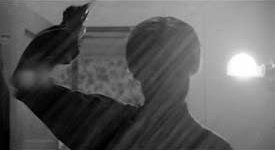
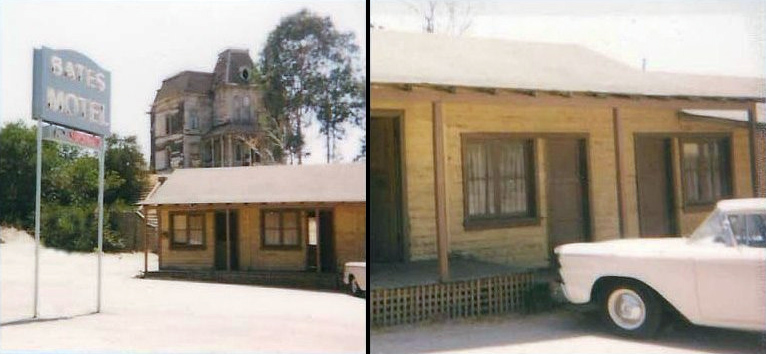
Psycho is a 1960 American psychological thriller directed by Alfred Hitchcock. Adapted from a novel by Robert Bloch, the film follows Marion Crane, a woman who steals money and flees, and her encounter with Norman Bates at the isolated Bates Motel. The picture is famous for its abrupt narrative turns, the shower sequence that changed audience expectations, and a climactic revelation about identity and guilt.
Image gallery
8 Images



Production and style
Hitchcock chose to shoot in black and white and employed tight editing, careful framing, and suggestive rather than explicit violence to build suspense. The screenplay compresses the novel's material to emphasize psychological tension. Bernard Herrmann's spare, string-based score is widely regarded as a vital part of the film's atmosphere and is often discussed in analyses of film music (score).
Setting and genre
The story is set around a small roadside motel and nearby locations associated with ordinary American life; the film references regional backdrops such as Arizona and California in framing its action. While frequently cited as an early influence on the modern slasher tradition, Psycho also belongs to the psychological thriller category because much of its fear derives from character and point of view rather than repeated on-screen gore.
Release and reception
On release, the film surprised audiences and critics with its structure and mature themes. Hitchcock used novel publicity techniques to preserve key twists and control audience reaction. Lead performances — notably Janet Leigh's portrayal of Marion and Anthony Perkins as Norman Bates — attracted attention and helped secure the film's reputation as both a popular and critically discussed work.
Legacy
Psycho is widely taught and written about in film history and is often credited with opening mainstream cinema to darker psychological material. The figure of Norman Bates and the idea of an ordinary setting concealing danger became recurring templates in subsequent horror films and television. The original film spawned sequels, inspired a television series and remakes, and remains a touchstone for directors exploring suspense and identity.
Notable facts
- Director: Alfred Hitchcock, noted for his careful control of publicity and audience expectations.
- Source: Based on the novel by Robert Bloch and drawing on broader cultural anxieties about crime and personality.
- Music: Score by Bernard Herrmann is frequently singled out for its psychological effect (soundtrack).
- Genre influence: Often associated with the slasher subgenre while remaining a paradigmatic psychological thriller.
- Setting: The film emphasizes an isolated motel and rural routes, with references to locations like Arizona and California.
Psycho continues to be examined for its innovations in storytelling, editing, scoring, and film marketing. Film scholars and cinephiles study its use of point of view, its challenge to censorship norms of the era, and its lasting impact on how suspense and horror can be constructed through suggestion and performance rather than explicit depiction. For further background, see director-focused studies and writings on the film's music and cultural influence (genre studies, thriller analyses).
Related articles
Author
AlegsaOnline.com Psycho (1960 film) Leandro Alegsa
URL: https://en.alegsaonline.com/art/79850