
Principal photography (filmmaking)
Principal photography is the phase in filmmaking when the majority of a motion picture is recorded. It follows pre-production and precedes post-production and involves scheduling, crews, costs, and insurance.
Overview
Principal photography is the stage of production when the bulk of a motion picture or other filmed project is actually shot. It comes after pre-production — the planning, casting and design work — and before post-production — editing, sound design and visual effects. During this period the creative decisions made earlier are executed on set or on location and raw footage is captured for later assembly into the finished work (the film).
Image gallery
2 Images
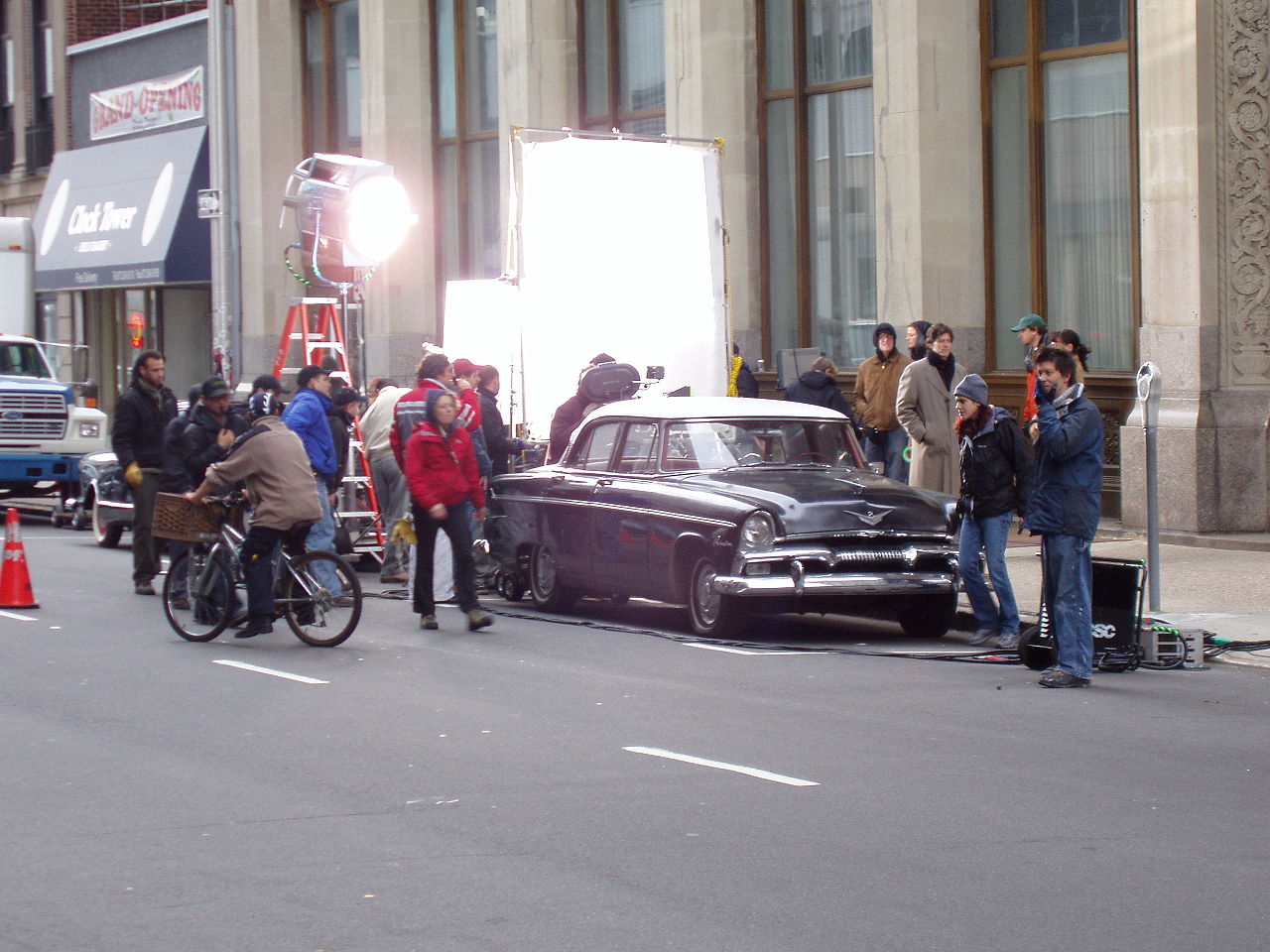
Key participants and units
A wide range of professionals are active during principal photography. The director leads the creative process while the cinematographer (director of photography) shapes the visual look. Many other specialists support the shoot, including grips, electricians, makeup and wardrobe, and production assistants. Performers or actors and technical crew are paid for their time during this phase, which makes it a major portion of production cost burden (salaries often represent a large slice of the budget).
Typical schedule and organization
Shoots are planned in units and days. A production will normally prepare detailed call sheets, shooting schedules and storyboards to organize which scenes are filmed on which days. Large projects may operate with a main unit led by the director and one or more second units handling inserts, stunts, or location shots that do not require principal performers. The pace of principal photography is shaped by availability of locations, performers, daylight, weather and permitted hours.
Cost drivers, logistics and insurance
Principal photography is usually the single most expensive production phase. Costs rise from cast and crew pay, equipment rental, location fees, set construction, and on-set special effects. Complex stunts, large crowd scenes, or the need to build elaborate sets increase expenditure. For many feature productions, insurance coverage is obtained when principal photography begins to protect against major disruptions — for example, serious illness, loss or destruction of sets, or other events that could halt or increase the cost of completion (insurance).
Common practices and terminology
- Take: a single recorded performance of a given camera setup.
- Setup: the arrangement of camera, lighting and actors for a shot.
- Pickup/reshoot: additional shooting to correct or add scenes after principal photography wraps.
- Wrap: the completion of principal photography on a production.
Importance and notable considerations
Decisions made during principal photography have long-term impacts on the final film: lighting choices, actor performances, and captured coverage dictate what editors and visual effects artists can accomplish. While much work remains in post-production, insufficient or rushed photography can be difficult or impossible to fix later. Conversely, careful planning and communication between departments during this phase help control costs and improve creative outcomes.
Further context
Production practices vary widely by budget, country and genre, and many modern productions combine traditional on-set shooting with digital workflows and modular schedules. For more on earlier stages and what follows, see references to pre-production and post-production, and to industry roles such as actors and crew. For information about financial protection and completion risks consult resources on insurance and on budgeting for salaries. Many readers find case studies of professional feature movies helpful in understanding how principal photography unfolds in practice.
Questions and answers
Q: What is principal photography?
A: Principal photography is the part of movie making when a movie is being filmed.
Q: What is the timeline of principal photography in movie making?
A: Principal photography takes place after pre-production and before post-production.
Q: Why is principal photography usually the most expensive part of movie making?
A: This is partly because the cost includes salaries for the actors and crew. It is also because some movie scenes are expensive if they include special props or special effects that are done on the set.
Q: What is the purpose of insurance during principal photography of feature movies?
A: Feature movies usually have insurance when principal photography starts. This is in case something happens that makes the movie cost more to make.
Q: Can an actor's death during principal photography affect the production of the movie?
A: Yes, if one of the actors dies before filming all his or her scenes, the scenes might have to be filmed again with a different actor.
Q: What happens if parts of the movie are destroyed during principal photography?
A: If sets or finished parts of the movie are destroyed, it might even be impossible to finish the movie.
Q: What is the importance of principal photography in movie making?
A: Principal photography is an essential part of movie making as it is when the actual filming takes place, and it determines the visual and audio elements that will be in the final film.
Related articles
Author
AlegsaOnline.com Principal photography (filmmaking) Leandro Alegsa
URL: https://en.alegsaonline.com/art/79224