
Feature film (feature movie): definition, history and significance
A feature film is a motion picture long enough to be the main attraction at a screening. This article explains runtimes, origins, exhibition, and notable early examples.
A feature film, often called a feature movie or simply a film, is a motion picture whose running time is long enough to be presented as the principal item in a theatrical program. Historically, the term separated longer works from short films and newsreels: a feature is intended to be the main attraction and to carry the narrative, dramatic or entertainment weight of an evening’s showing. The word movie is commonly used in casual contexts, while film or motion picture are preferred in formal and critical discussions.
Image gallery
2 Images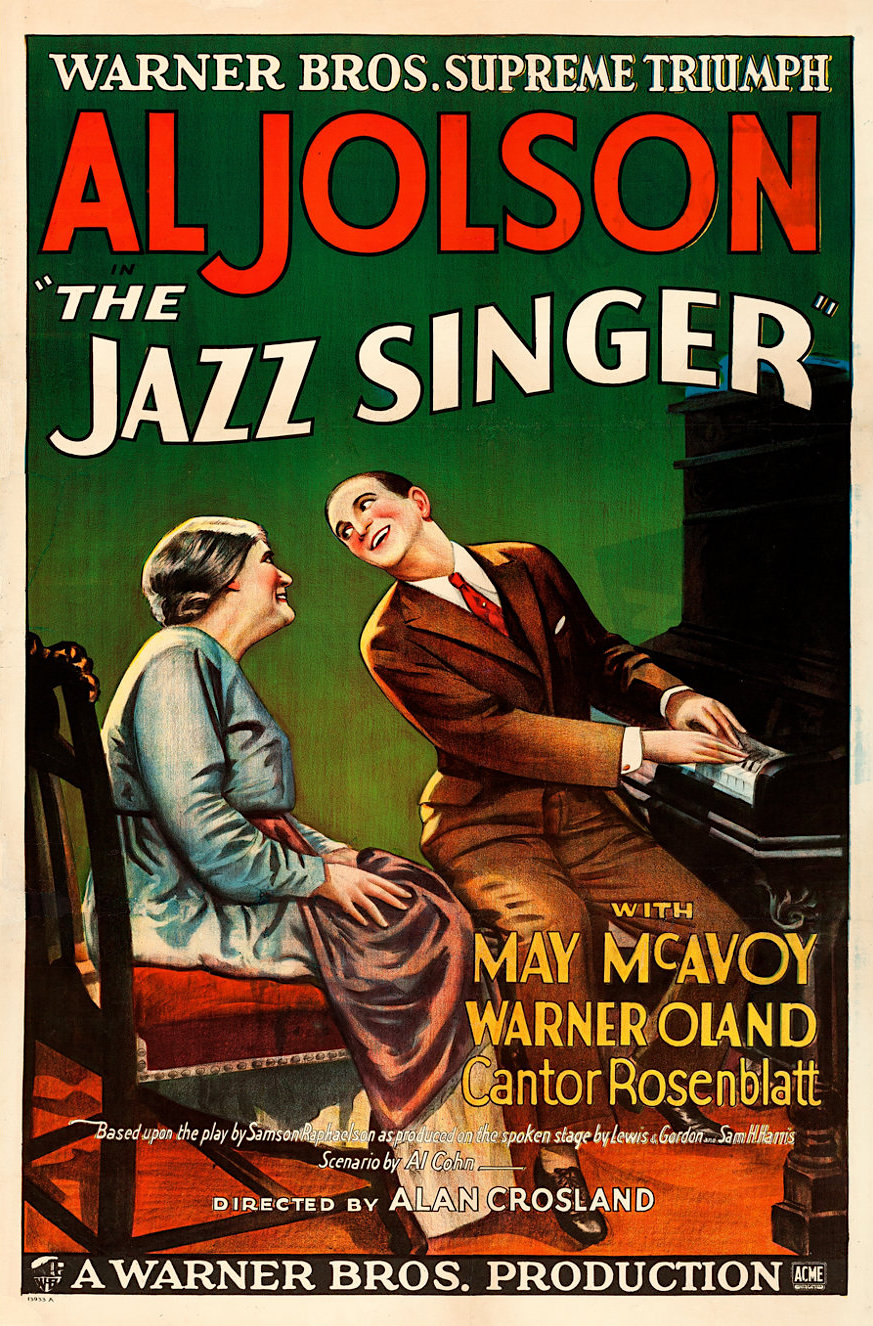
Definition and typical characteristics
Institutions disagree slightly on the minimum running time that qualifies a motion picture as a feature. Several major film organizations define a feature as at least 40 minutes long; for example, the Academy of Motion Picture Arts and Sciences, the American Film Institute and the British Film Institute use this threshold. Other industry bodies, such as the Screen Actors Guild, adopt longer minimums (commonly around 80 minutes) for contractual or distribution purposes.
In practice, most contemporary feature films fall between roughly 70 and 210 minutes. Runtime choices reflect genre, target audience and market expectations: children’s features often cluster at shorter lengths (around 70–105 minutes), while epic dramas and franchise tentpoles may run well over two hours. Beyond length, features are typically structured with a clear three-act dramatic arc, leading cast and crew credits, and production values intended for theatrical release.
Exhibition, programs and the role of the feature
The term program refers to the set of items shown for one admission to a venue: historically this could include a newsreel, a cartoon, a short subject and the feature. The feature film is the main or only movie intended to fill that program. In the early and mid-20th century, exhibitors sometimes arranged double bills—two features shown for the price of one—while art-house and festival contexts may present features alongside discussions, workshops or shorts.
Movie programmes evolved with distribution practices. Studios, independent producers and distributors determine how features are marketed and scheduled, influencing release windows (theatrical, home video/streaming, television) and the film’s commercial life.
History and notable early examples
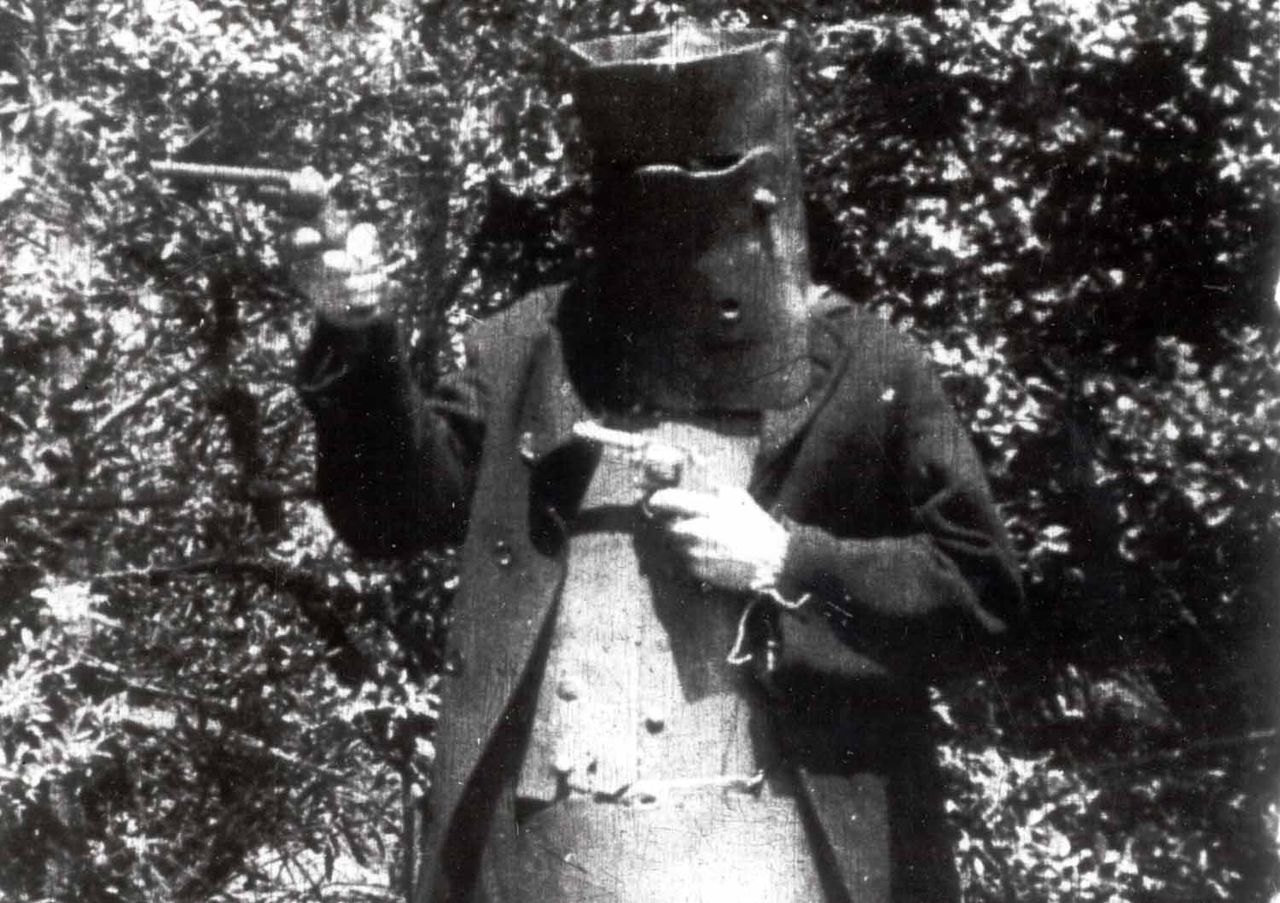
The concept of a feature-length motion picture emerged in the first decades of cinema as filmmakers experimented with longer, more complex narratives. One of the earliest films commonly cited as the first feature by length is The Story of the Kelly Gang (Australia, 1906), which ran significantly longer than the typical short subjects of its day. Early literary adaptations followed; an early feature-length adaptation based on Victor Hugo’s novel is known from 1909, and several other dramatic works were produced in the 1910s.
Other early full-length productions include period adaptations and religious epics such as Oliver Twist (1912), Richard III (1912), and From the Manger to the Cross (1912). The move from silent to sound cinema in the late 1920s and from black-and-white to color in the following decades further shaped the feature’s form and audience expectations.
Uses, importance and distinctions
- Art and commerce: Features are the primary units of artistic recognition (awards, critical debate) and commercial revenue in the film industry.
- Festival and awards: Film festivals and awards seasons typically center on feature-length works, although shorts and documentaries have parallel categories.
- Distinctions: The main distinctions are between features, short films (shorter, often under 40 minutes), and featurettes (intermediate length). Distribution contracts and classification systems use these distinctions for programming and credits.
For more detailed guidance on classification, production standards and archival definitions, consult institutional sources and industry guilds that set formal criteria for runtime and crediting. Additional reading and resources are available through film institutes and historical archives that document the development of the feature as a dominant cinematic form.
program | admission ticket | movie | Academy | AFI | BFI | SAG | Kelly Gang | Oliver Twist (1912)
Related articles
Author
AlegsaOnline.com Feature film (feature movie): definition, history and significance Leandro Alegsa
URL: https://en.alegsaonline.com/art/33785