
Prince Edward Islands: subantarctic South African islands and research outposts
Two remote subantarctic islands (Marion and Prince Edward) in the southern Indian Ocean, administered by South Africa and important for seabirds, marine life and scientific research.
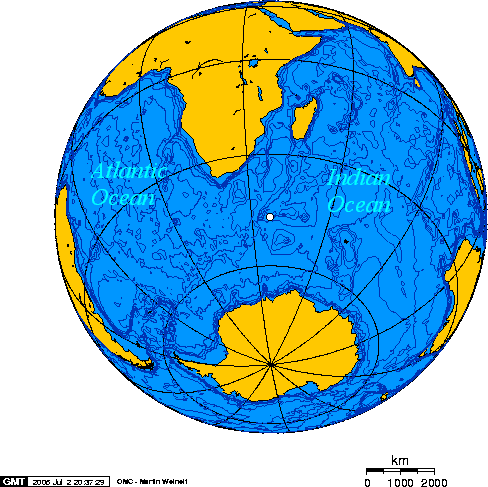
The Prince Edward Islands are a pair of small, remote islands in the southern, subantarctic sector of the Indian Ocean. Located well south of the African continent, the group comprises the larger Marion Island and the smaller Prince Edward Island. The islands lie in the cold, stormy waters of the southern subantarctic belt and are surrounded by productive oceanic ecosystems in the Indian Ocean.
Image gallery
7 Images


Geography and climate
Both islands are volcanic in origin and have rugged coastlines, rocky shores and limited flat ground. Marion Island is higher and more extensive than its neighbour, while Prince Edward Island is comparatively low-lying. The climate is strongly oceanic: cool temperatures, frequent fog and cloud, strong winds and almost constant precipitation. These conditions shape the islands' soils, vegetation and breeding seasons for wildlife.
Flora, fauna and conservation
The islands are important breeding sites for seabirds and marine mammals. Large colonies of petrels, albatrosses and other seabirds nest there, and the surrounding waters support seals and cetaceans. Vegetation is dominated by hardy grasses, tussocks and mosses adapted to the harsh, wet environment. Because the ecosystems are isolated and fragile, introduced mammals and human activity have been managed carefully to protect native species; the islands are treated as conservation areas under South African stewardship.
History and human presence
The islands were first recorded in the late 18th century when a Dutch explorer sighted them in 1769. Over the next century and a half they were visited intermittently by sealers, whalers and passing ships but never permanently settled by civilians. The United Kingdom asserted sovereignty in the early 20th century and later transferred administration to South Africa. Today the only people living on the islands are scientific and support personnel—meteorologists, biologists and technical staff—who occupy research facilities and seasonal camps. Occasional changes in staffing and logistics have expanded the scientific programmes over time, but access remains tightly controlled.
Scientific importance and administration
South Africa operates research and monitoring programmes on the islands that focus on meteorology, biology, oceanography and conservation management. The islands provide a natural laboratory for studying subantarctic weather patterns, long-range ecological processes and the life cycles of seabirds and marine predators. Management balances scientific work with strict biosecurity and conservation measures to limit non-native species and habitat disturbance. For more on research activities and conservation policy see national programme pages and summaries referenced by official sources here.
Access, status and notable facts
Access is by government-authorised ship or specialized aircraft and requires permits because the islands are remote and environmentally sensitive. The Prince Edward Islands are among the southernmost territories administered by South Africa and are frequently cited in studies of subantarctic ecology, oceanography and climate monitoring. They continue to be valued for their wild landscapes, abundant seabird colonies and role in international scientific observation networks (historic record).
Relevant resources and management notices are published periodically by the administering authorities and scientific bodies; readers should consult official channels for current visitor, research and conservation regulations.
Related articles
Author
AlegsaOnline.com Prince Edward Islands: subantarctic South African islands and research outposts Leandro Alegsa
URL: https://en.alegsaonline.com/art/79160