
1769: Year of exploration, inventions and notable births
1769 was marked by Pacific exploration, a key steam-engine patent, the start of Spanish missions in California, and the birth of Napoleon Bonaparte—events linking Enlightenment science, industry and empire.
1769 was a year in the late Enlightenment when scientific observation, industrial innovation and imperial expansion intersected. Explorers mapped distant shores, inventors pushed industrial technology forward, and European powers consolidated colonial claims. The year is often recalled for a handful of events that had long-term cultural, political and technological consequences.
Image gallery
9 Images




Notable events
- Captain James Cook continued his first Pacific voyage, observing astronomical phenomena and charting previously unrecorded coastlines in the South Pacific.
- Inventor James Watt secured legal protection for a major improvement to the steam engine, a development that accelerated the mechanization central to the Industrial Revolution.
- Spain initiated systematic colonization of what is now California, with the Portolà expedition and Franciscan missionaries establishing the first of a chain of missions and presidios.
Science and technology
The year saw events that reflected Enlightenment priorities: precise astronomical measurement, improved instrumentation and an appetite for practical inventions. Cook’s teams carried out coordinated astronomical observations (including the Transit of Venus), intended to improve navigation and the measurement of the solar system. In industry, James Watt’s work on a separate steam condenser made steam engines more efficient and commercially viable; his 1769 patent is often cited as a milestone in mechanized manufacturing and transport.
Exploration and colonization
European voyages of discovery continued to reshape global maps. Cook’s expedition produced detailed charts of Pacific islands and New Zealand, expanding European geographic knowledge. Meanwhile Spain moved to secure its northern frontier in North America, founding missions and military outposts in Alta California that would influence settlement patterns and indigenous societies for decades.
Notable births and deaths
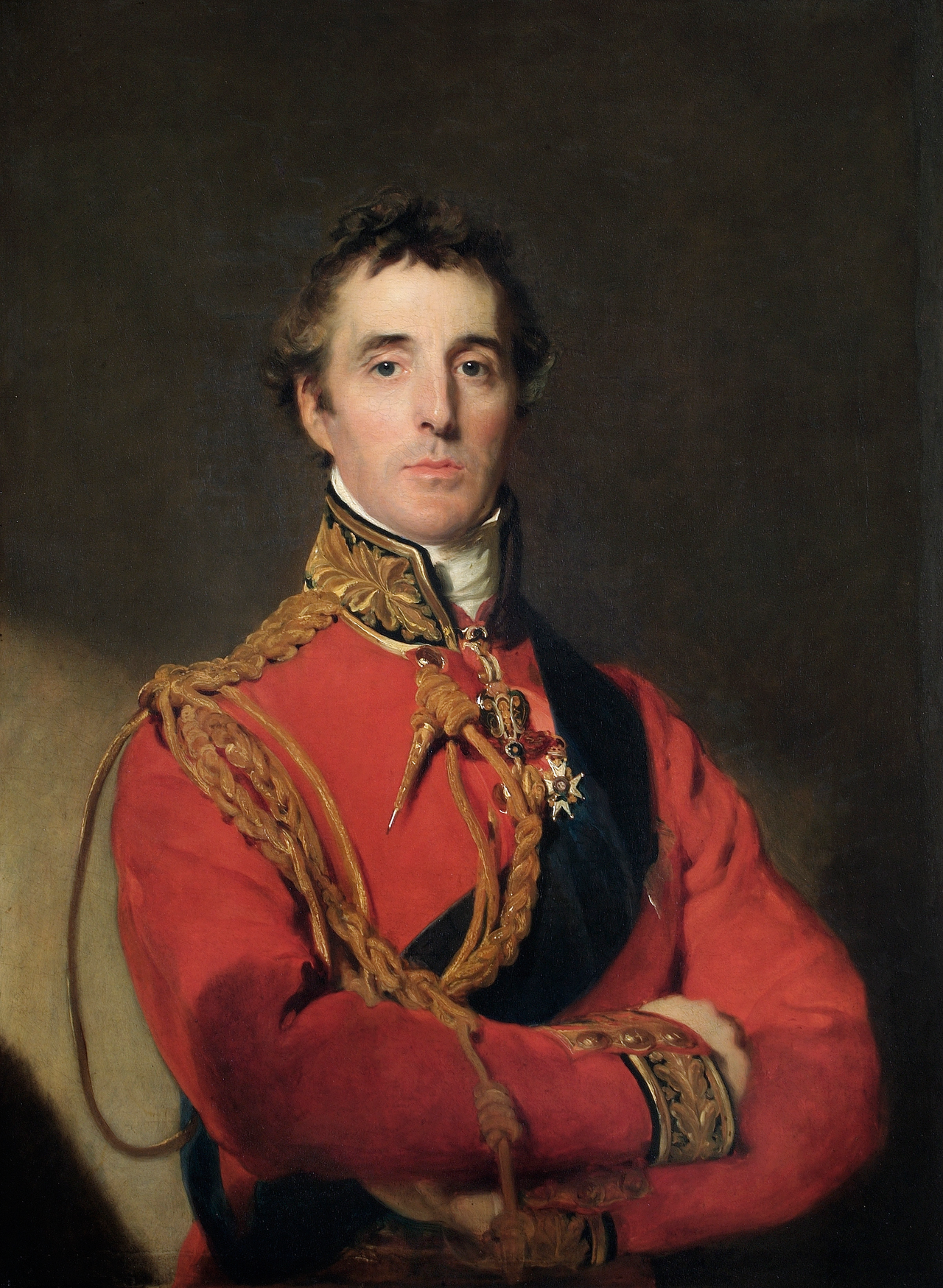
- Births: Napoleon Bonaparte (born 15 August 1769) — later Emperor of the French whose campaigns transformed Europe; also important figures in natural history and the arts were born this year.
- Deaths: While no single death defines the year, 1769 falls within a period of changing elites as Enlightenment ideas and industrial change reshaped traditional authority.
Historical significance: 1769 sits at the convergence of several long-term trends: systematic scientific observation, the practical application of mechanical invention, and intensified colonial competition. Together these dynamics contributed to the political, economic and cultural transformations that characterized the late 18th and early 19th centuries.
Related articles
Author
AlegsaOnline.com 1769: Year of exploration, inventions and notable births Leandro Alegsa
URL: https://en.alegsaonline.com/art/111711