
Sweden's Head of Government: Role, History and Constitutional Change
Overview of Sweden's head of government: the prime minister's duties, origins since 1876, notable officeholders and the 1974 constitutional reform that formally established parliamentary authority over the Crown.
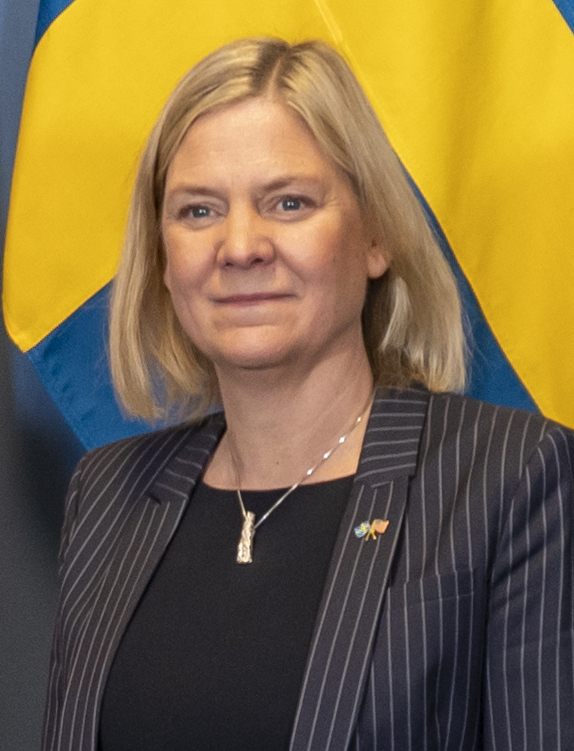
The Prime Minister (Swedish: statsminister) is the national head of government in Sweden. The prime minister leads the cabinet, sets government priorities and represents the executive branch. The current officeholder is Ulf Kristersson, leader of the Moderate Party, who assumed the post in 2022.
The post of prime minister dates from 1876. Its first occupant was Louis Gerhard De Geer, a reformer who had played a leading role in creating the reformed Riksdag in 1866, which replaced the older estate-based assembly.
Historically, executive power was exercised by the monarch acting in council. A major constitutional revision produced a new Instrument of Government in 1974; that change de jure established a parliamentary system in which the cabinet derives its authority from the elected legislature rather than from the Crown.
Image gallery
10 Images




Related articles
Author
AlegsaOnline.com Sweden's Head of Government: Role, History and Constitutional Change Leandro Alegsa
URL: https://en.alegsaonline.com/art/79106
Sources
- un.int : UN Protocol and Liaison Service
- regeringen.se : "Statsrådsarvoden och ersättningar (Swedish)"
- uk.reuters.com : Swedish parliament confirms Social Democrats' Lofven as new PM