
Prime Minister of Spain
Head of government of Spain (officially President of the Government), created by the 1978 Constitution; leads the Cabinet, coordinates policy, and is accountable to the Cortes Generales.
The Prime Minister of Spain is the chief executive of the national government and is officially styled in Spanish as the Presidente del Gobierno. In English-language contexts the office is often rendered as "Prime Minister", though the constitutional title is President of the Government. The modern incarnation of the post was established by the Constitution of 1978 and sits within a parliamentary monarchy where the head of state is the King and political leadership is exercised by the Prime Minister and the Council of Ministers.
Image gallery
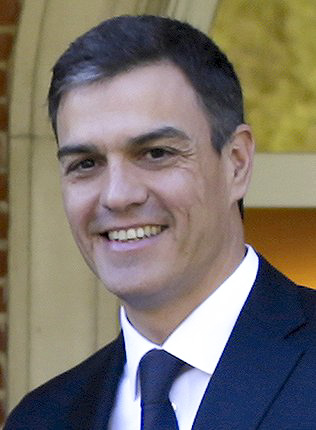
10 Images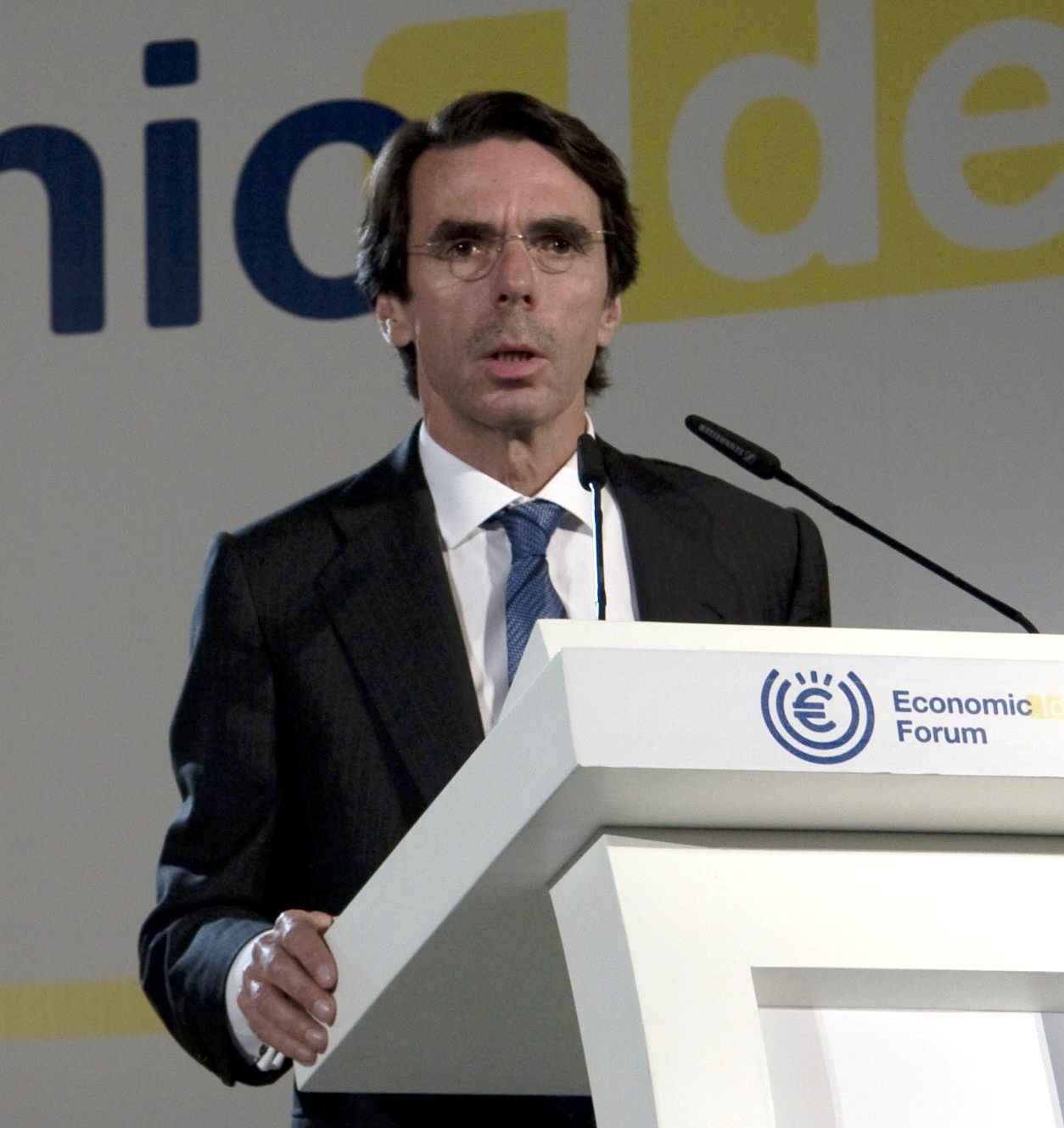


Role and responsibilities
The Prime Minister directs general government policy, heads the Cabinet (the Council of Ministers), and represents the executive branch both domestically and internationally. Key responsibilities include proposing and coordinating legislation, setting the government's program, managing relations between ministries, and proposing appointments for senior public office. The Prime Minister and government are politically accountable to the Cortes Generales (Spain's parliament) and must maintain its confidence.
Selection and tenure
After national elections or a governmental crisis the King consults parliamentary leaders and formally nominates a candidate for investiture. That candidate faces a vote in the Congress of Deputies; if the investiture vote succeeds the King appoints the candidate as Prime Minister. The incumbent serves while retaining parliamentary support, and can be removed by a motion of no confidence or by resignation. The constitution allows for dissolution of the Cortes and new elections under conditions set by law.
Historical development
The contemporary office grew out of earlier roles such as the President of the Council of Ministers used in previous constitutional configurations. The 1978 Constitution codified the position within the restored democratic framework after the Franco era. The first holder of the office in the post‑transition period was Adolfo Suárez, and the current incumbent is Pedro Sánchez. The office combines political leadership with administrative direction of the executive branch.
Institutional features and notable facts
- The Prime Minister presides over the Council of Ministers and proposes its composition to the King.
- The government must answer to parliament through debates, questions, and confidence procedures.
- Although often called "Prime Minister" in English, Spanish protocol uses the formal presidential title.
The Prime Minister's official workplace and residence is the Moncloa Palace, which serves as the center of executive operations and state receptions. For further constitutional and procedural details consult official sources such as the office of the President of the Government of Spain.
Related articles
Author
AlegsaOnline.com Prime Minister of Spain Leandro Alegsa
URL: https://en.alegsaonline.com/art/79104
Sources
- politica.elpais.com : "El director de Gabinete de Rajoy, el mejor pagado de la Presidencia"
- lamoncloa.gob.es : "President of the Government"