
Pedro Sánchez — Spanish Prime Minister and PSOE leader
Spanish politician Pedro Sánchez (born 1972) is leader of the Spanish Socialist Workers' Party (PSOE) and has served as Prime Minister since June 2018, leading Spain through elections and a coalition government.
Overview
Pedro Sánchez (born 29 February 1972) is a Spanish politician who has served as Prime Minister of Spain since June 2018. He is the Secretary‑General of the Spanish Socialist Workers' Party (PSOE). Sánchez came to national prominence as leader of one of Spain's major parties and later as the head of a minority and then coalition government. His rise to the premiership followed a successful parliamentary motion of no confidence against the previous government and subsequent national elections.
Image gallery
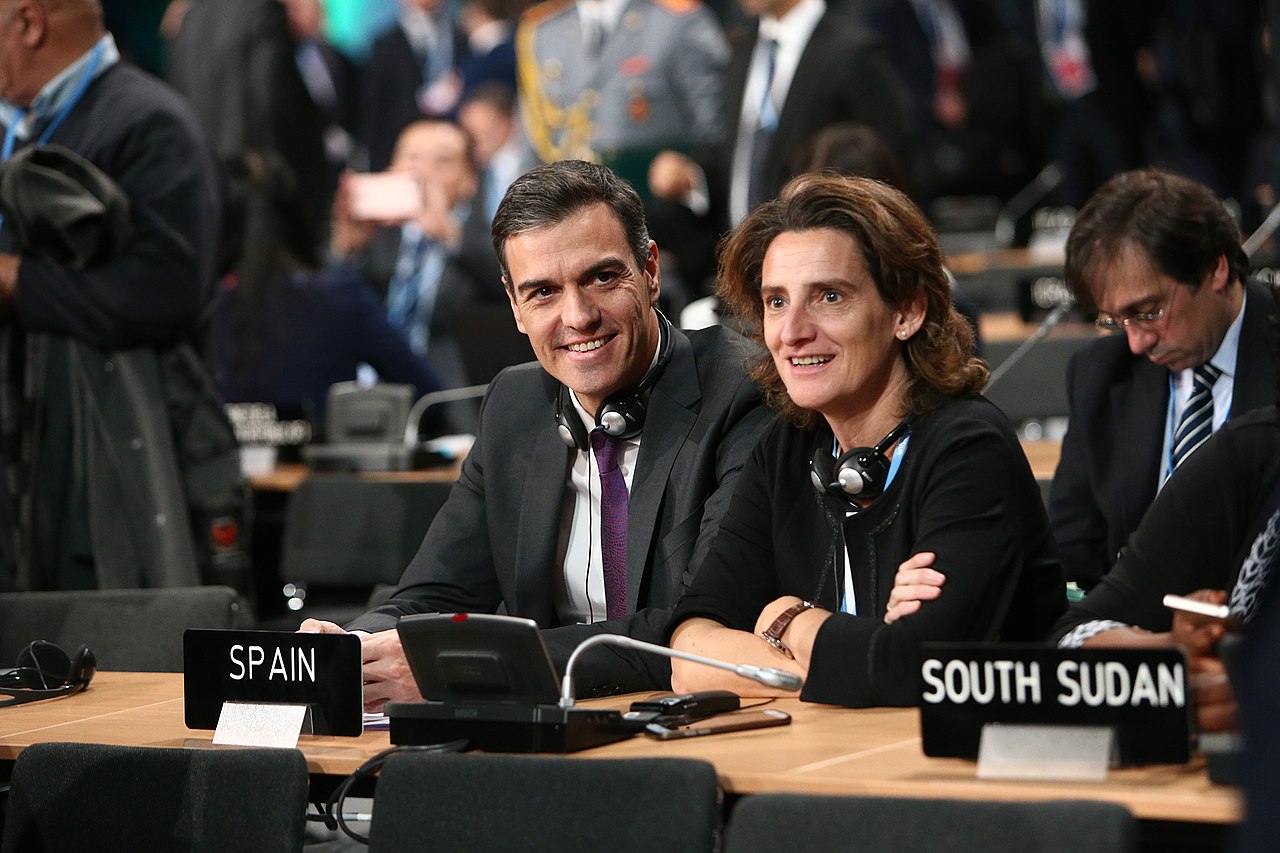
10 Images


Early life and political career
Sánchez was born in Madrid and trained in higher education before entering politics. He became active in the PSOE and served in local and national roles before being elected to the Congress of Deputies. Over the years he held party positions that combined organizational responsibilities with public-facing campaigning. Sánchez cultivated an image as a pro‑European, progressive politician and emphasized social and economic issues in his public statements.
Leadership of PSOE and internal challenges
He first became Secretary‑General of the PSOE in 2014. Internal disagreement within the party led to his resignation after poor electoral performances and disputes in 2016. Sánchez later regained the party leadership in a party primary, returning to the role with a mandate to reposition PSOE ahead of national challenges. These internal dynamics shaped both his approach to coalition-building and the party's strategy in subsequent elections.
Motion of no confidence and first government
In June 2018, members of the national legislature voted in favor of a motion of no confidence against then‑Prime Minister Mariano Rajoy. The motion cited a loss of political legitimacy linked to corruption scandals affecting the governing party, and its passage installed Sánchez as Prime Minister. This change of government was effected through parliamentary procedure rather than a direct popular vote for prime minister, and Sánchez initially led a minority government reliant on negotiating support from other parties in the legislature. For more context on the office he assumed, see Prime Minister of Spain. The ousted prime minister was Mariano Rajoy, and the parliamentary action was connected to controversies over corruption allegations discussed in public debate and the press (see coverage). The motion itself took place in the Spanish legislature, the Cortes Generales.
Elections, coalition government and policies
National elections in 2019 produced fragmented results. In April 2019 Sánchez's party won the largest number of seats but lacked an absolute majority and was unable to secure investiture immediately. A second round of voting in November 2019 again left the parliament divided, but later negotiations resulted in the formation of a coalition government in January 2020 with Unidas Podemos. That coalition was notable as the first modern nationwide coalition government in Spain since the restoration of democracy, combining PSOE's social‑democratic agenda with the more leftist priorities of its partner.
Areas of focus and significance
Sánchez's governments have emphasized social policy measures, economic recovery programs, and commitments related to climate and European cooperation. His tenure has been marked by the challenges of managing coalition partners, addressing regional tensions within Spain, and responding to broader European issues. Supporters point to renewed social spending and progressive reforms; critics highlight political instability and the difficulties of governing without a clear parliamentary majority. The trajectory of his leadership illustrates contemporary trends in Spanish politics: fragmentation of the party system, the increasing role of coalition arrangements, and the prominence of parliamentary negotiations in determining executive power.
Notable facts
- He became Prime Minister through a parliamentary motion rather than a direct personal electoral victory for head of government.
- The coalition formed in 2020 was a landmark arrangement in modern Spanish politics.
- Sánchez's time in office has been shaped by both domestic issues (economic policy, social reforms, regional tensions) and wider European agendas.
For further reading, consult official profiles and reputable news summaries on Sánchez's political career and the governments he has led: official prime minister profile, contemporary profiles of Mariano Rajoy, reporting on corruption matters (coverage), and records of parliamentary proceedings in the national legislature.
Author
AlegsaOnline.com Pedro Sánchez — Spanish Prime Minister and PSOE leader Leandro Alegsa
URL: https://en.alegsaonline.com/art/128400