
Prime Minister of Singapore
Head of government of the Republic of Singapore, appointed from Parliament to command a majority; outlines duties, appointment, history, notable holders and institutional context.
Overview
The Prime Minister is the head of government of the Republic of Singapore and the central figure in the country's executive branch. The office coordinates national policy, leads the Cabinet and represents the government both domestically and abroad. The position exists within Singapore's parliamentary system and derives authority from constitutional practice and political convention rather than a single executive mandate. The office is commonly described as the chief political leader of the government of the Republic of Singapore.
Image gallery
10 Images






Role and functions
Although the President is the formal head of state, the Prime Minister exercises primary responsibility for running the government. Key functions include:
- Forming and leading the Cabinet and setting its agenda.
- Coordinating policy across ministries, overseeing the civil service and national administration.
- Advising the President on appointments and state matters where the law requires ministerial advice.
- Maintaining the confidence of a majority of members of Parliament and answering to Parliament for government policy and performance.
- Representing Singapore in international relations and major diplomatic forums.
Appointment and tenure
Under constitutional convention, the President appoints as Prime Minister a Member of Parliament whom the President believes is likely to command the support of the majority of elected MPs. There is no fixed term for the Prime Minister: service continues until resignation, dismissal, loss of parliamentary confidence, or following an election that produces a different majority. General elections must be held at least every five years, and the Prime Minister typically calls elections and advises the President on their timing within that limit.
History and development
The office was first established in 1959 when Singapore gained internal self-government and power to administer many domestic affairs. At that time the head of government was chosen by colonial and local authorities including the Governor and later the Yang di-Pertuan Negara, the nominal head of state during the transitional period. Singapore then briefly joined the Federation of Malaysia (1963–1965) before becoming a fully independent republic in 1965. The evolution of the Prime Minister's role reflects that constitutional transition from colonial rule and merger to sovereign statehood and modern governance.
Notable holders and institutional legacy
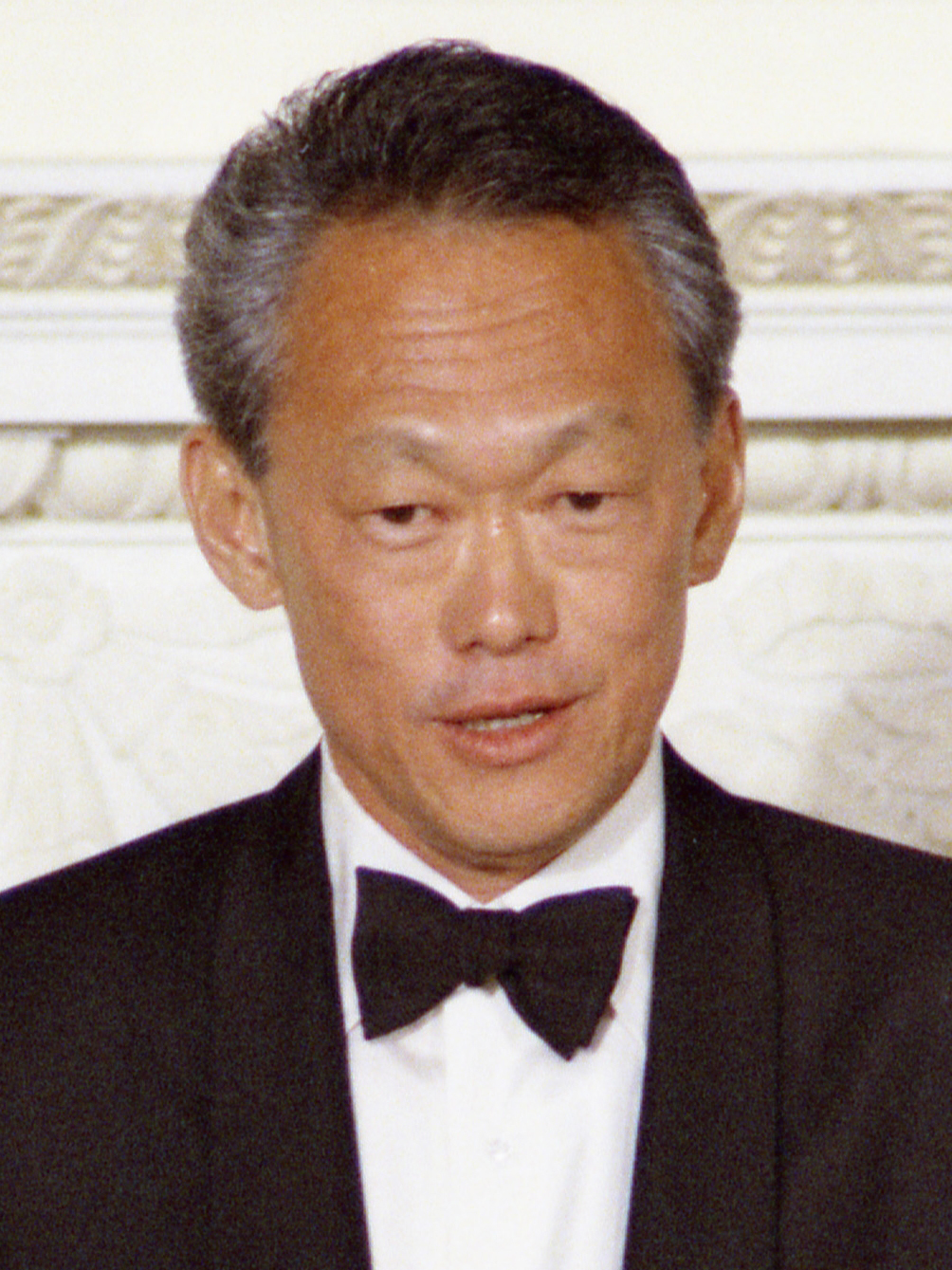
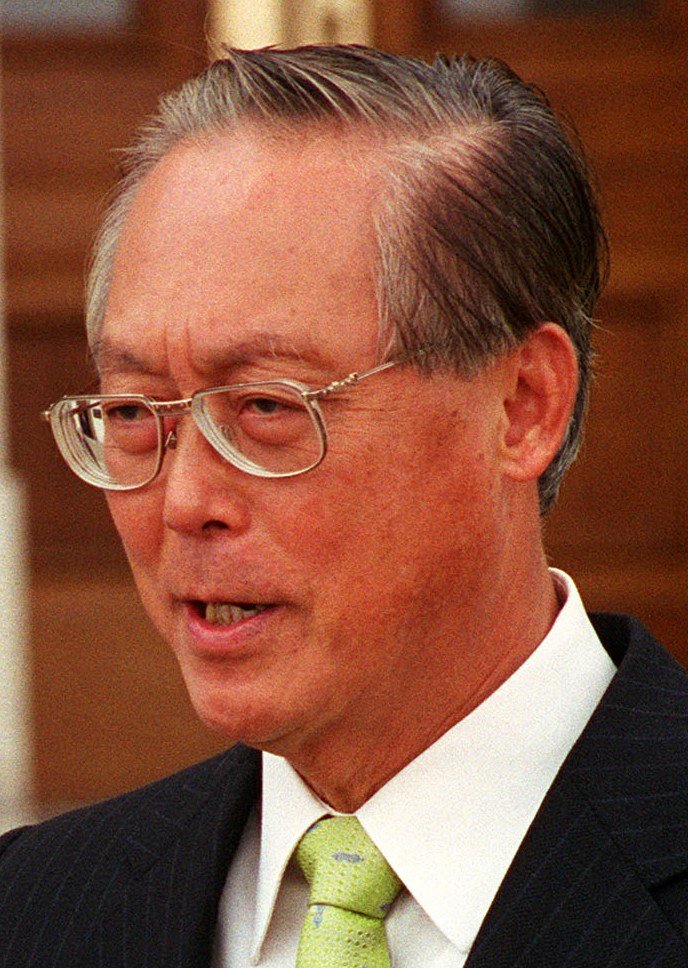
The most prominent occupant was Lee Kuan Yew, who led from 1959 until 1990 and shaped the office during the formative decades of nation-building. He stepped down in 1990 and was succeeded by Goh Chok Tong, who remained prime minister until 2004. After leaving office both Lee and Goh continued to serve in senior advisory roles: Lee became Senior Minister and later Minister Mentor for a period, while Goh also held the Senior Minister title. Since 2004 the office has been held by Lee Hsien Loong, who has continued the pattern of stable, centralized executive leadership.
Distinctive features and context
Singapore's Prime Minister operates within a unicameral parliamentary framework and a political system marked by long periods of dominance by a single party. The office combines policy leadership with the practical task of sustaining a parliamentary majority and managing a compact, high-performing state apparatus. While powerful in practice, the Prime Minister's authority remains subject to collective Cabinet responsibility and the need for continued parliamentary support. The office is therefore both a personal leadership position and an institutional linchpin of Singapore's constitutional order and economic development, from its early acquisition of internal power to govern to its mature role in a globalized city-state. The 1959 beginnings under the British colonial framework and later adjustments after the period within the British Empire and the Federation of Malaysia shaped the contemporary office and its practices.
For further reading on specific duties, historical milestones and biographies of prime ministers, consult official government sources and reputable historical accounts. Additional context on parliamentary procedure, elections and the interaction of the Prime Minister and President sheds light on how executive power is exercised and checked in Singapore's political system.
Questions and answers
Q: Who is the head of the government of the Republic of Singapore?
A: The Prime Minister of the Republic of Singapore is the head of the government.
Q: How is the Prime Minister of Singapore chosen?
A: The President of Singapore chooses a Member of Parliament (MP) who is likely to be supported by a majority of MPs.
Q: When was the first Prime Minister of Singapore chosen?
A: The first Prime Minister of Singapore was chosen in 1959 by the Governor of Singapore, later the Yang di-Pertuan Negara (head of state).
Q: Did the title of Prime Minister change after Singapore merged with the Federation of Malaya, Sarawak and British North Borneo?
A: No, the title of Prime Minister did not change after Singapore merged with the Federation of Malaya, Sarawak and British North Borneo.
Q: Who was the first Prime Minister of Singapore?
A: Lee Kuan Yew was the first Prime Minister of Singapore from 1959 to 1990.
Q: Who succeeded Lee Kuan Yew as Prime Minister of Singapore?
A: Goh Chok Tong succeeded Lee Kuan Yew as Prime Minister of Singapore.
Q: Who replaced Goh Chok Tong as Prime Minister of Singapore?
A: Lee Kuan Yew's son, Lee Hsien Loong, replaced Goh Chok Tong as Prime Minister of Singapore.
Related articles
Author
AlegsaOnline.com Prime Minister of Singapore Leandro Alegsa
URL: https://en.alegsaonline.com/art/79100
Sources
- statutes.agc.gov.sg : 1999 Reprint