
Prime Minister of Moldova
The Prime Minister of Moldova is the head of government, directing the Cabinet, responsible to Parliament and formally appointed by the president; the office evolved after independence and operates within a parliamentary system.
Overview
The Prime Minister of Moldova is the head of government who leads the executive branch together with the cabinet. The office is the primary locus of day-to-day government administration, public policy coordination, and implementation of laws. For official information see the Government of Moldova and general descriptions of the head of government role.
Image gallery
10 Images





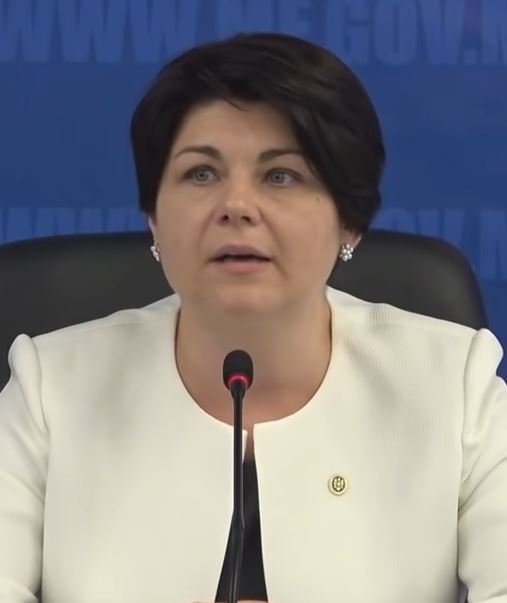

Appointment and parliamentary support
Formally the president nominates a candidate for prime minister, who must then secure support in the national legislature. The Cabinet is formed on the basis of parliamentary approval and the prime minister must retain a working majority or coalition backing to remain in office. Sources of authority and procedural details are set out by the constitution and parliamentary rules; consult the office of the President and the Parliament for current practice.
Role and responsibilities
- Propose and coordinate government policy across ministries.
- Nominate ministers (subject to parliamentary approval) and chair cabinet meetings.
- Oversee implementation of laws and management of public administration and the budget.
- Represent the government in domestic affairs and, together with the president, in international relations.
- Answer to Parliament and can be removed by a vote of no confidence.
History and development
The office took its modern form after Moldova declared independence in 1991, succeeding earlier executive arrangements from the Soviet period. Since independence the role has been shaped by constitutional changes, political practice, and recurring coalition negotiations in a multi-party system. Periods of instability have sometimes produced short-lived governments or caretaker cabinets while coalition talks proceed.
Political context and notable distinctions
Moldova has a semi-presidential system where executive authority is shared: the president is head of state while the prime minister directs the government. The balance between the two offices can shift with constitutional interpretations and political conventions. Coalition governments are common, making the prime minister’s ability to build and maintain parliamentary support a central factor in governance.
Further reading
For constitutional text, recent government programs, or biographies of current officeholders, consult the official sources linked above: Government, explainers on executive roles, the Presidential office, and the Parliament.
Related articles
Author
AlegsaOnline.com Prime Minister of Moldova Leandro Alegsa
URL: https://en.alegsaonline.com/art/79083
Sources
- independent.md : "Salariu de președinte: Cât primește Dodon de la stat - - Independent"
- msz.gov.pl : New government formed in Moldova
- trm.md : The agreement Pro European Coalition set up was made public