
Prime Minister of Malaysia
Chief executive of Malaysia's federal government: appointment, powers, duties, historical development, and role within the parliamentary constitutional monarchy.
The prime minister of Malaysia (Malay: Perdana Menteri Malaysia) is the head of government and the central figure in the country’s federal executive. Appointed by the Yang di-Pertuan Agong, the office-holder is usually a member of parliament who commands the confidence of the elected chamber. The prime minister leads national policy, chairs the cabinet and represents the government domestically and abroad. In Malaysia’s constitutional monarchy the post combines political leadership with responsibilities defined by convention and statute.
Image gallery
10 Images
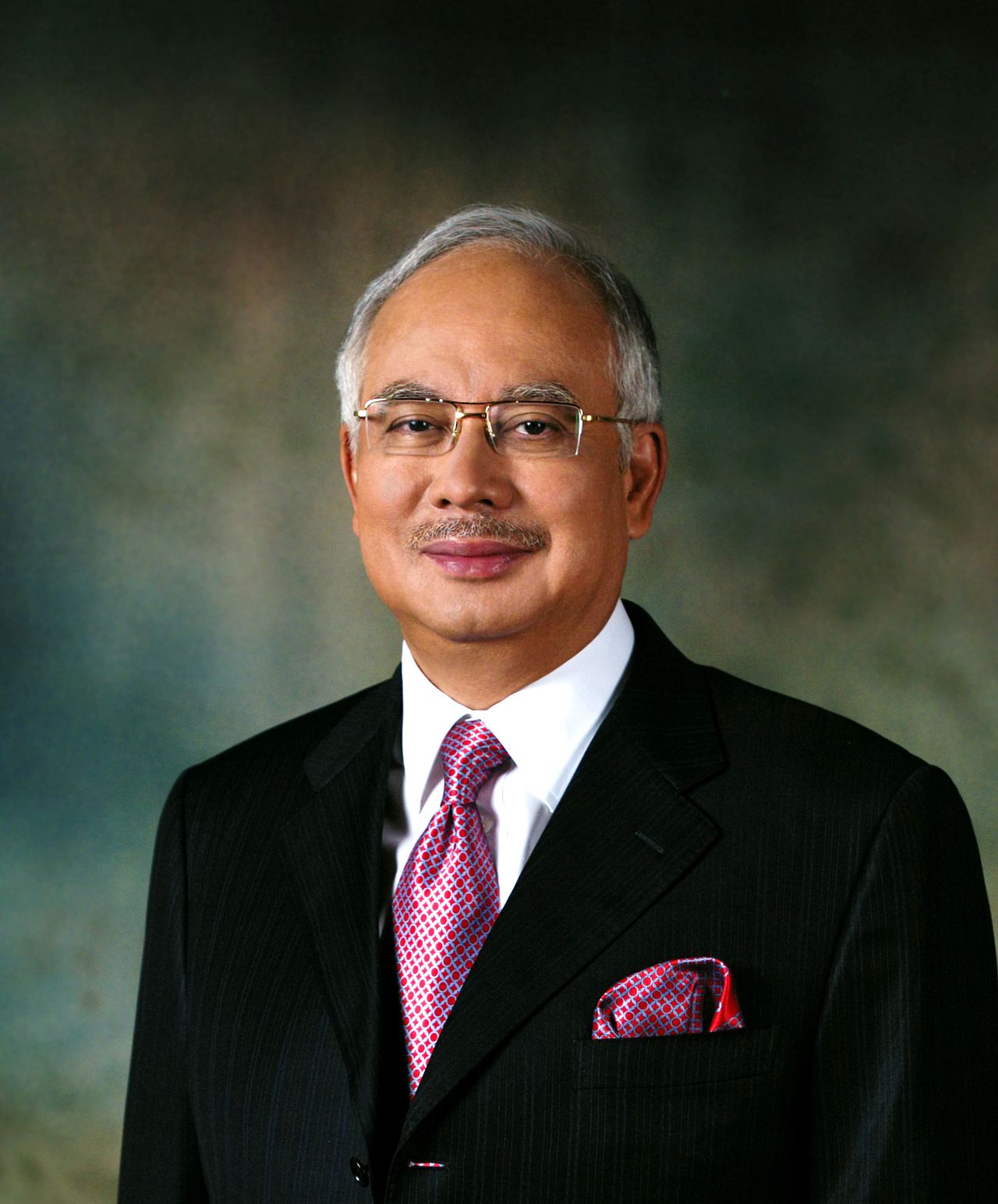

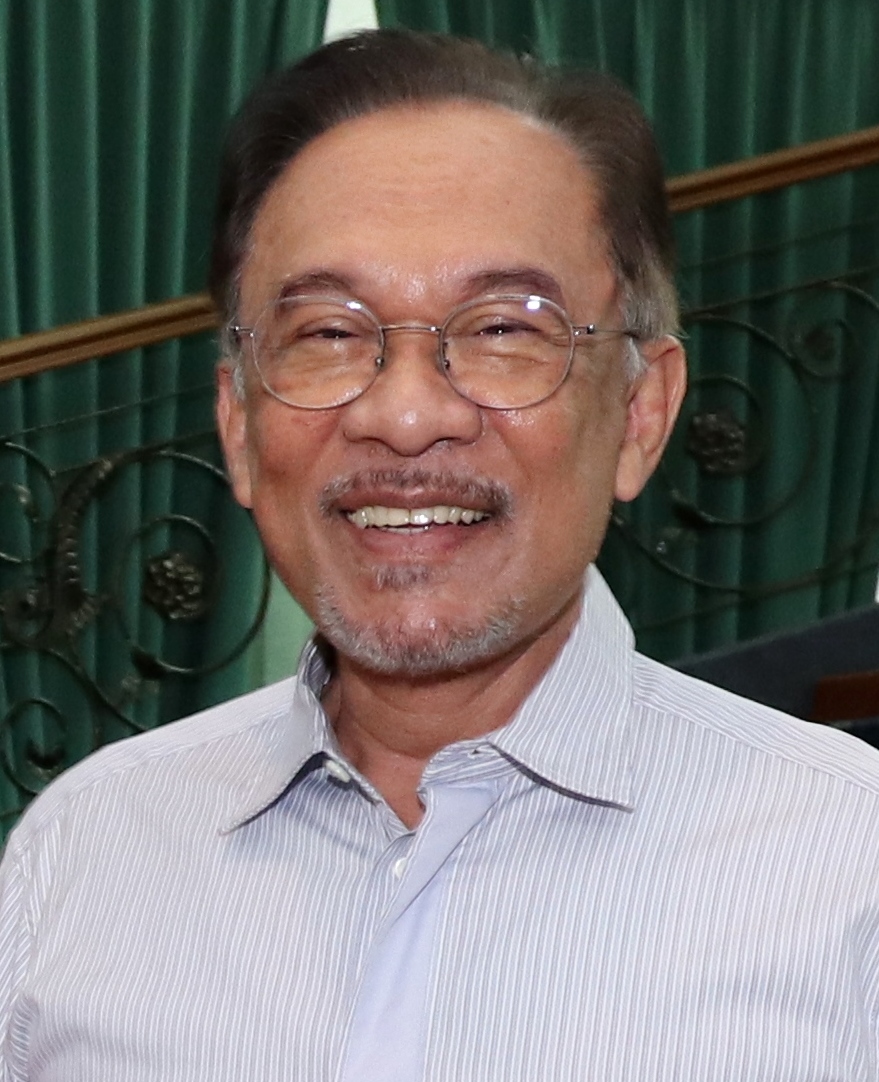



Role, powers and responsibilities
The prime minister sets the broad direction of government and coordinates ministries through the Cabinet, which operates under collective responsibility. Key functions include advising the head of state on appointments, recommending dissolution of parliament, proposing major legislation and leading the government in the Dewan Rakyat (the lower house). Although executive authority formally rests with the Yang di-Pertuan Agong in some respects, the monarch acts on the prime minister’s advice in ordinary times. The office can exercise influence through party leadership, coalition management and control of the legislative agenda.
Selection and constitutional basis
By convention the king appoints as prime minister a member of the House of Representatives who, in the king’s judgment, is most likely to command a majority. This usually means the leader of the largest party or coalition. The appointee must retain parliamentary confidence to remain in office; a loss of confidence typically forces resignation or triggers new elections. Between elections, a prime minister may serve as head of a caretaker administration with limited powers until a successor is chosen.
Characteristics and institutional context
The office is shaped by Malaysia’s federal system, multiethnic society and party politics. Prime ministers commonly rely on party discipline and coalition agreements to pass measures. The post interacts with state governments, security and civil service institutions and plays a central role in economic and social policy. For administrative and ceremonial matters the prime minister works closely with the Cabinet and senior civil servants in line with parliamentary conventions.
History and notable developments
Since independence in 1957 the office has evolved through periods of long incumbencies and episodes of rapid change. Early holders established the core institutions of the federal state, while later decades saw shifts in party dominance, economic strategy and governance reforms. Notable features of Malaysian history include long-serving leaders, instances of non-consecutive terms, and periods where coalition realignments reshaped who could command a majority.
Comparisons, importance and contemporary issues
- The Malaysian prime minister is comparable to heads of government in other parliamentary constitutional monarchies but operates within Malaysia’s specific federal and multicultural framework.
- Key contemporary themes include coalition governance, party leadership dynamics, transparency and the balance between executive initiative and parliamentary oversight.
- Scholars and commentators often examine the role in relation to constitutional conventions, the prerogatives of the Yang di-Pertuan Agong, and the functioning of the cabinet as the executive authority.
For further context on terminology and institutions, see entries on the office as the country’s head of government and its standing as a leading political office (highest political office in many descriptions). The prime minister remains the principal actor in Malaysia’s national governance, balancing party mandates, parliamentary support and constitutional limits while guiding public policy and state administration.
Related articles
Author
AlegsaOnline.com Prime Minister of Malaysia Leandro Alegsa
URL: https://en.alegsaonline.com/art/79081
Sources
- cpps.org.my : "CPPS Policy Factsheet: Remuneration of Elected Officials in Malaysia"