
Prime Minister of the Lao People's Democratic Republic
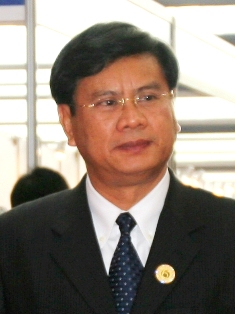
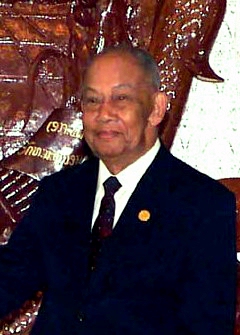
The prime minister of Laos is the head of government of the Lao PDR, leading the Council of Ministers under the direction of the ruling party and accountable to the state leadership and National Assembly.
Overview
The prime minister of the Lao People's Democratic Republic is the head of government who leads the national executive and directs the Cabinet (Council of Ministers). The office operates within a one‑party socialist state and is responsible for translating political decisions into administrative action. The role is distinct from the head of state and is central to daily governance and policy implementation.
Image gallery
10 Images




Role and responsibilities
The prime minister coordinates government ministries and chairs cabinet meetings. Typical duties include proposing and executing domestic and economic policy, overseeing public administration, guiding development plans, and representing the government in certain foreign affairs and multilateral forums when delegated. The office often works closely with senior party organs and security bodies to ensure unified policy across the state and party.
Appointment and tenure
In the Lao system, the prime minister is formally nominated and confirmed according to constitutional procedures involving the state leadership and the legislature. Because the Lao People's Revolutionary Party is the dominant political force, candidates for the office are usually senior party members who have held high positions in party or state institutions. Tenure is typically tied to political standing within the party and to legislative approval.
History and context
The modern office of prime minister in the Lao People's Democratic Republic traces its authority to the founding of the Lao PDR in 1975. Since then the position has evolved alongside the country's political and economic reforms. The prime ministership has played a key role in directing development strategy, managing state enterprises, and coordinating international economic cooperation as Laos integrated with regional organizations.
Notable features and comparisons
- The prime minister is the chief executive for the government's administrative apparatus, while the president serves as head of state.
- The office functions within the framework of the single ruling party, which strongly influences appointments and policy direction.
- Under this system, the prime minister often holds concurrent standing in party bodies, allowing close coordination between party objectives and government action.
For a concise reference on the formal title and role, see the office described as the head of government, and for broader national context consult resources on Laos.
Related articles
Author
AlegsaOnline.com Prime Minister of the Lao People's Democratic Republic Leandro Alegsa
URL: https://en.alegsaonline.com/art/79075
Sources
- asc.mcu.ac.th : A Short history of Laos, the land in between