
Prime Minister of Latvia
Head of the Latvian government who leads the Cabinet of Ministers, must command Saeima support, is nominated by the president, and plays a central role in policy coordination and coalition politics.
The prime minister of Latvia is the head of government and the leading member of the Cabinet of Ministers. In Latvian the office is called Ministru prezidents. The prime minister directs government policy, coordinates ministerial activity and represents the executive branch in dealings with the parliament (the Saeima), other state institutions and external partners.
Image gallery
10 Images


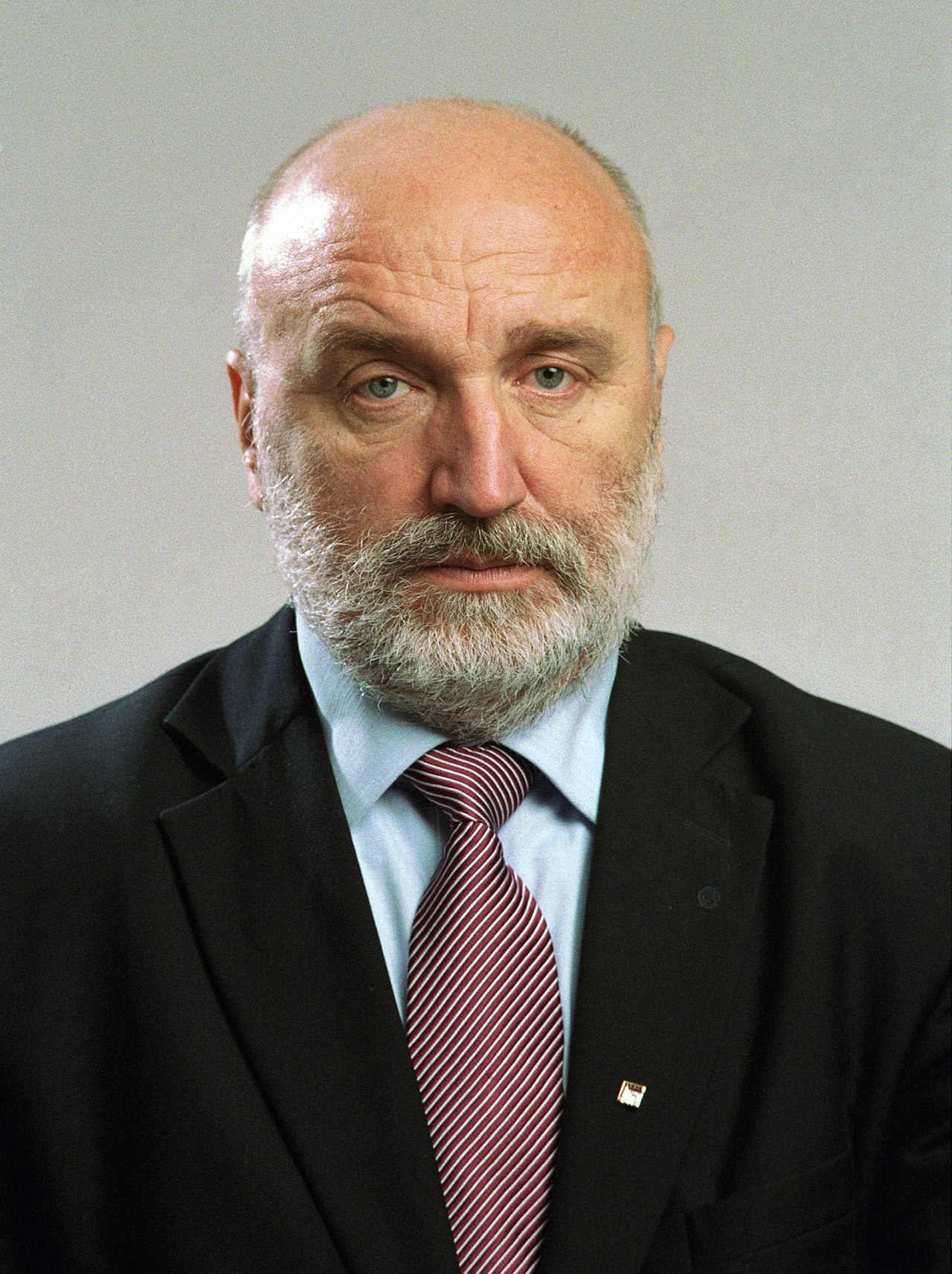


Role and responsibilities
The prime minister serves as the chief coordinator of the executive. Typical responsibilities include setting government priorities, chairing cabinet meetings, proposing the composition of ministers, and organising the preparation of laws and the national budget. While the prime minister leads the cabinet, authority is exercised collectively: individual ministers retain day-to-day responsibility for their ministries and the Saeima provides parliamentary oversight.
Appointment and parliamentary confidence
Formally the prime minister is nominated by the president of Latvia but must secure the support of a majority in the Saeima to form a government. Because Latvia uses proportional representation, governments are usually coalitions made up of two or more parties. The prime minister’s survival depends on maintaining parliamentary confidence; a successful no-confidence vote or loss of coalition backing typically leads to resignation or reformation of the cabinet.
Political context and examples
Coalition building is a central feature of Latvian politics. Parties negotiate ministerial portfolios and policy platforms before the Saeima confirms a proposed cabinet. The prime minister often plays a balancing role between coalition partners, steering compromises on economic policy, public administration, and foreign affairs. In times of crisis the office also becomes a focal point for crisis management and public communication.
History and notable facts
The office traces its origins to Latvia’s statehood in the early 20th century and was restored after the late 20th-century re-establishment of independence. The role has evolved with constitutional practice and democratic development. Unlike a presidential system, power in Latvia is shared: the president is head of state while the prime minister is head of government, with distinct but complementary functions.
Key features at a glance
- Head of government and cabinet leader
- Nominated by the president, confirmed by the Saeima
- Usually the leader of the largest coalition party or a compromise candidate
- Dependent on parliamentary confidence and coalition stability
Related articles
Author
AlegsaOnline.com Prime Minister of Latvia Leandro Alegsa
URL: https://en.alegsaonline.com/art/79076