
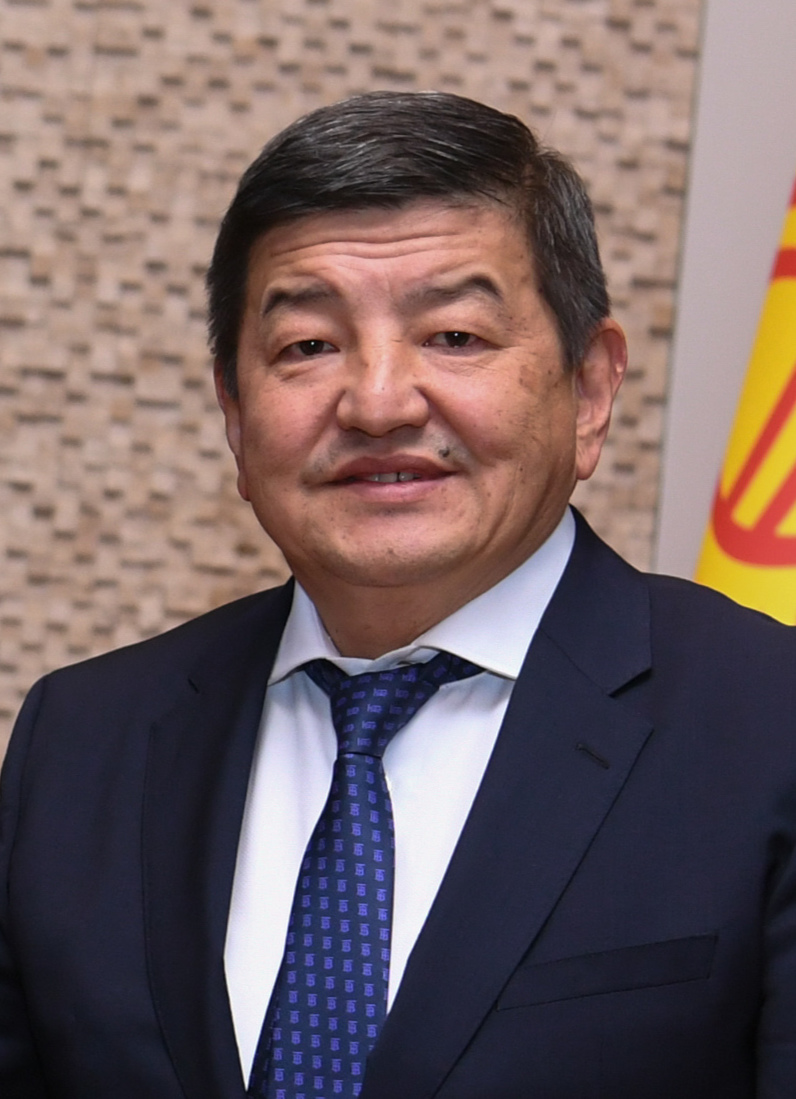
Chairman of the Cabinet of Ministers of Kyrgyzstan
The Chairman of the Cabinet of Ministers is Kyrgyzstan's head of government, leading the cabinet and coordinating policy within a constitutional framework shaped by the 2010 reforms that strengthened parliament.
Overview
The Chairman of the Cabinet of Ministers of Kyrgyzstan is the country's head of government and the principal executive responsible for running the cabinet and implementing domestic policy. The office is the contemporary continuation of the role formerly known as the Prime Minister of Kyrgyzstan. It operates within the constitutional framework that defines the distribution of authority between the head of state and the legislature.
Image gallery
10 Images




Role and responsibilities
The chairman's duties are primarily administrative and political. In broad terms, the officeholder coordinates the work of ministries, develops and executes government policy, oversees the public administration apparatus, and manages the daily functions of government. The chairman represents the cabinet in relations with the legislature and often serves as the chief interface between parliamentary majorities and the executive branch.
- Policy coordination: Organizes cross-ministerial programs and proposes legislative initiatives to the parliament.
- Cabinet leadership: Chairs meetings of ministers and sets government agendas.
- Administration: Supervises implementation of laws and state programs through the executive branch.
- Accountability: Answers to the legislature for government performance and may face confidence procedures.
Selection, tenure and parliamentary relations
The chairman is chosen within a political process that involves both the president and the national parliament, the Jogorku Kenesh. In practice, the individual who becomes chairman must be able to command support in the legislature and work cooperatively with the president. Because the role is accountable to parliament, a government can be reshuffled or dismissed through parliamentary votes, including motions of no confidence in the cabinet or its leader.
Historical development
Since independence in 1991 Kyrgyzstan has experimented with different balances of power between its president and prime minister. For much of the early post-Soviet era the presidency held dominant authority, but a 2010 constitutional referendum altered the political system toward a more parliamentary model and broadened the role of the legislature in selecting and overseeing the government. The reformed framework changed the dynamics of executive power and led to renaming and redefining the head of government office; readers can find institutional descriptions on official pages about the head of government and about Kyrgyzstan as a state.
Importance and distinctions
The chairman differs from the president in that the president is the head of state with specific constitutional prerogatives, while the chairman handles day-to-day governance and policy delivery. The precise balance between these offices depends on constitutional text and political practice; the 2010 changes moved Kyrgyzstan toward a parliamentary emphasis, a shift discussed in analyses of the country’s parliamentary system. For context on the head of state's role, see references about the president.
Notable facts
- The office has been repeatedly affected by constitutional amendments and political events, reflecting Kyrgyzstan's evolving governance model.
- The chairman must often build and maintain coalitions in the legislature to sustain government programs and survive confidence votes.
Related articles
Author
AlegsaOnline.com Chairman of the Cabinet of Ministers of Kyrgyzstan Leandro Alegsa
URL: https://en.alegsaonline.com/art/79074