
Prime Minister of Jamaica
The Prime Minister of Jamaica is the head of government in Jamaica's parliamentary system. This article explains the office's role, appointment, powers, historical development, and notable officeholders.
Overview: The Prime Minister of Jamaica is the head of government in Jamaica's parliamentary democracy. Operating within a Westminster-style system, the prime minister leads the executive branch, chairs the Cabinet, and directs national policy. The officeholder is normally the leader of the political party that holds the majority of seats in the House of Representatives. For information about the current officeholder, see Andrew Holness.
Image gallery
10 Images

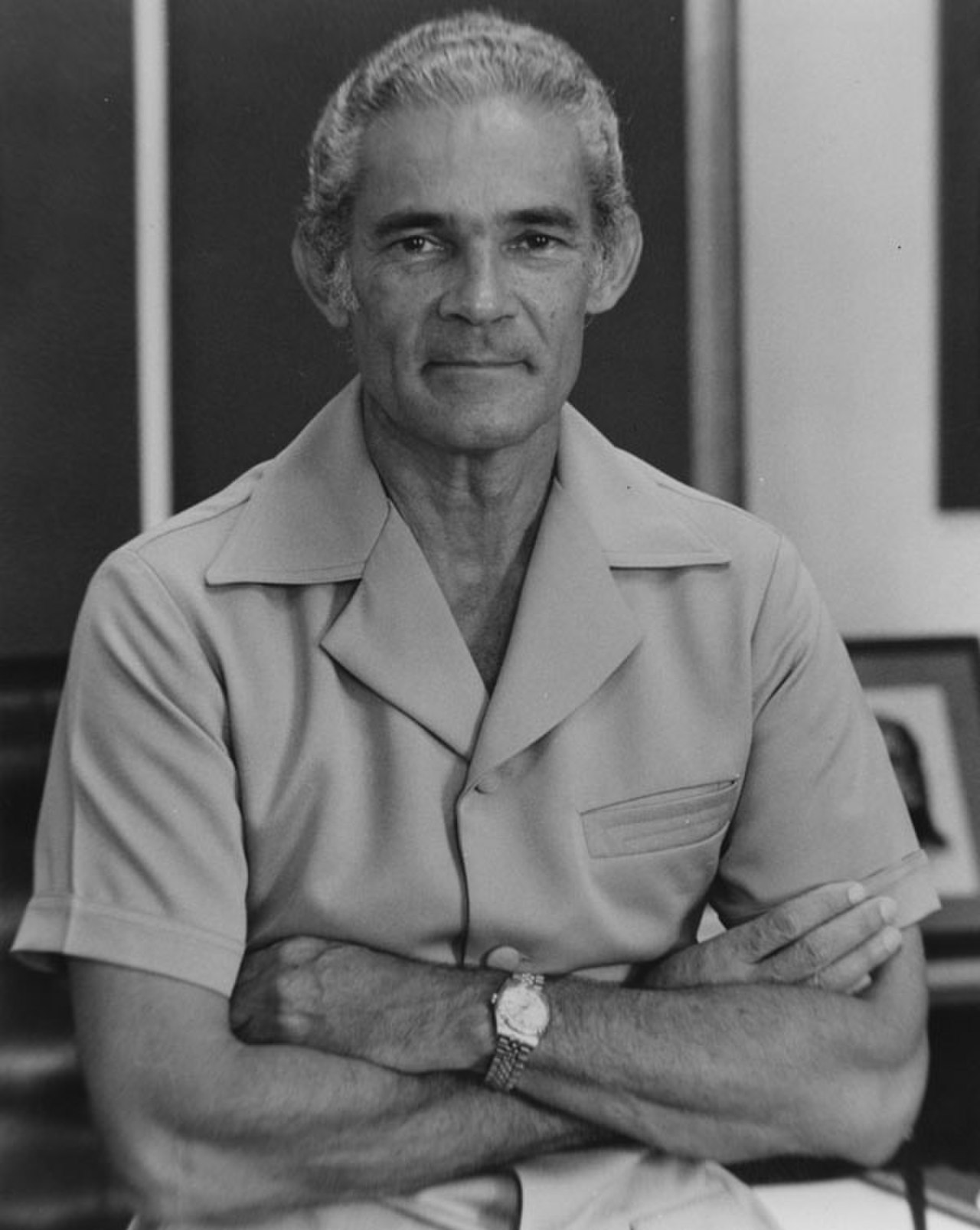


Constitutional role and context
Jamaica is a constitutional monarchy and a member of the Commonwealth realm. The monarch is the ceremonial head of state and is represented in Jamaica by the Governor-General. The prime minister is the principal minister of the Crown and is responsible for forming and leading a government that commands confidence in the elected House of Representatives. Many of the prime minister’s formal acts are carried out in the name of or with the approval of the Governor-General.
Appointment and tenure
The Governor-General formally appoints the prime minister. By convention, the appointee is the member of the House who can command a majority. Tenure depends on maintaining parliamentary confidence and political support; a prime minister remains in office until resignation, defeat at a general election, or loss of a parliamentary confidence vote. The prime minister may advise the Governor-General to dissolve Parliament and call a general election.
Main powers and responsibilities
- Leading the Cabinet and coordinating government policy and administration.
- Advising the Governor-General on ministerial appointments, including the selection of Cabinet ministers and other senior officials.
- Setting legislative priorities and representing the government in Parliament and internationally.
- Directing domestic and foreign policy and overseeing implementation of government programs.
- Maintaining the confidence of the House of Representatives; loss of confidence typically requires resignation or an election.
History and notable holders
The office of prime minister as the head of government has existed since Jamaica gained independence in 1962, building on earlier colonial administrative structures. Notable prime ministers who have shaped Jamaica’s modern political landscape include the nation’s first post-independence leader and later figures from both major parties. The office has alternated between the Jamaica Labour Party (JLP) and the People’s National Party (PNP), reflecting competitive parliamentary politics.
Political significance: The prime minister is the central figure in Jamaica’s national politics. Apart from routine governance, the holder of the office often influences long-term economic strategy, social policy, and Jamaica’s international relations. The position combines political leadership with constitutional responsibilities constrained by parliamentary democracy and the conventions of the Westminster model.
Questions and answers
Q: Who is the current Prime Minister of Jamaica?
A: The current Prime Minister of Jamaica is Andrew Holness.
Q: When did Andrew Holness become Prime Minister?
A: Andrew Holness became Prime Minister on March 3, 2016.
Q: Who did Andrew Holness succeed as Prime Minister?
A: Andrew Holness succeeded Portia Simpson-Miller as Prime Minister.
Q: What political party did Portia Simpson-Miller belong to?
A: Portia Simpson-Miller belonged to the People's National Party (PNP).
Q: Which political party won Jamaica's 2016 general election?
A: The Jamaica Labour Party (JLP) won Jamaica's 2016 general election.
Q: Who formally appoints the Prime Minister of Jamaica into office?
A: The Governor General of Jamaica formally appoints the Prime Minister of Jamaica into office.
Q: Who does the Governor General of Jamaica represent?
A: The Governor General of Jamaica represents Elizabeth II, the Queen of Jamaica (Jamaica's Head of State).
Related articles
Author
AlegsaOnline.com Prime Minister of Jamaica Leandro Alegsa
URL: https://en.alegsaonline.com/art/79070