
Prime Minister of Haiti
Head of government of Haiti, established by the 1987 Constitution; leads the Council of Ministers, is nominated by the president and confirmed by the legislature, and often operates amid political instability.
The Prime Minister of Haiti is the head of government, responsible for directing the executive branch and coordinating national administration. The office is known in French as Premier ministre d'Haïti and in Haitian Creole as Premye Minis Ayiti. Created under the 1987 Constitution, the position was intended to separate day-to-day governance from the presidency and to strengthen parliamentary involvement in forming and overseeing government policy.
Image gallery
10 Images


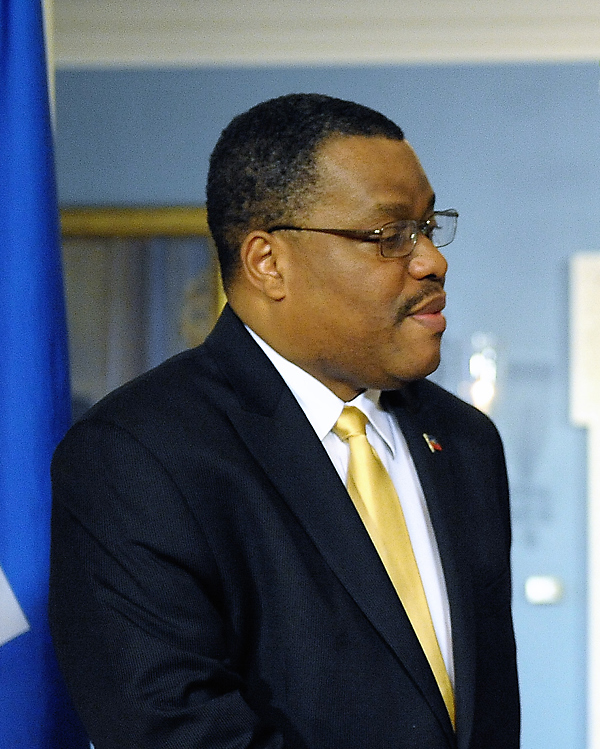
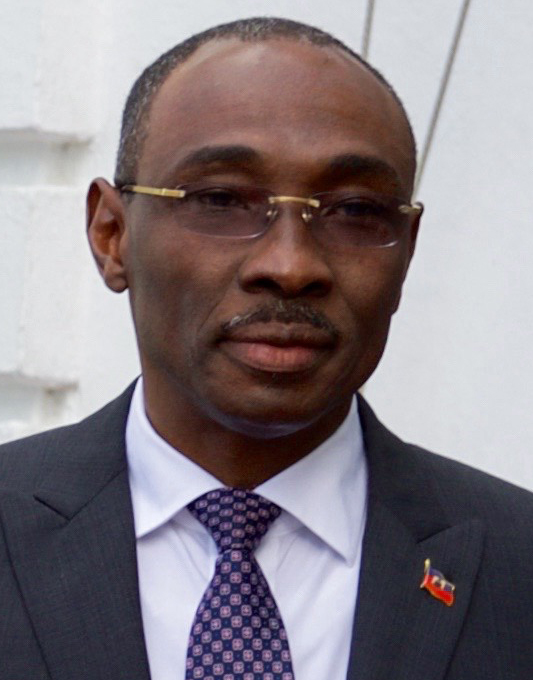
Role and powers
As head of government, the prime minister leads the Council of Ministers and organizes the actions of ministries and public agencies. Typical duties include proposing government policy, preparing and presenting budgetary plans to the legislature, coordinating implementation of laws through administrative measures, and supervising the civil service. The precise scope of authority varies with constitutional text and political practice; in Haiti the prime minister’s effectiveness often depends on relations with the president and with Parliament. The office is generally understood as the nation’s head of government, responsible for managing the executive agenda and day-to-day administration.
Selection and confirmation
- The president nominates a candidate for prime minister.
- The nominee must obtain confirmation from the legislature, commonly through a vote in the National Assembly or the Chamber designated by law.
- After legislative ratification, the prime minister forms a cabinet of ministers; some ministerial appointments may also require parliamentary approval.
- There is no long fixed term: tenure depends on retaining the confidence of Parliament and the working relationship with the president.
Responsibilities and functions
Beyond chairing the Council of Ministers, the prime minister organizes the central administration, coordinates public policy across ministries, represents the government in domestic affairs, and often plays a role in international negotiations and aid coordination. In crises—natural disasters, economic shocks or civil unrest—the prime minister typically coordinates relief and recovery efforts alongside relevant ministries and international partners.
Relationship with the president and Parliament
The Haitian system divides executive responsibilities between the president, who is head of state, and the prime minister, who heads the government. This arrangement can produce cooperation or competition. Periods of "cohabitation" or disagreement may lead to political gridlock, caretaker administrations, or contested confirmations. Parliamentary support is essential for legislative programs and for maintaining a stable cabinet.
History and practical context
The office was established to reduce concentration of power in the presidency after decades of strong presidential rule. Since its creation, Haiti’s political environment has been marked by frequent turnover of prime ministers, contested mandates and institutional weakness, which have affected policy continuity and public administration. Security challenges, economic constraints and recurring natural disasters have further complicated governance and the prime minister’s capacity to implement programs.
Significance and challenges
The prime minister plays a central role in shaping and implementing government policy, coordinating emergency responses and engaging with international partners on development and humanitarian issues. However, chronic political fragmentation, limited institutional capacity, and security concerns can constrain the office. Understanding the prime minister’s role therefore requires attention to constitutional procedures and to the broader political dynamics within Haiti and its legislature.
For more detailed legal text and historical lists of officeholders, consult primary constitutional sources and authoritative country analyses maintained by governments and reputable reference institutions.
Related articles
Author
AlegsaOnline.com Prime Minister of Haiti Leandro Alegsa
URL: https://en.alegsaonline.com/art/79064
Sources
- voanews.com : "Haitian Lawmakers Confirm Lafontant as Prime Minister"