
Prime Minister of Belgium
Head of government in Belgium, leading the federal cabinet and coordinating policy within a multilingual, multiparty constitutional monarchy; appointed by the monarch and dependent on parliamentary support.
The Prime Minister of Belgium is the head of the federal government in a constitutional monarchy. Acting as the chief coordinator of national policy, the prime minister chairs the Council of Ministers and represents the government domestically and abroad. The office exists alongside a ceremonial head of state, the King, and is defined by political practice and constitutional conventions rather than a fixed term.
Image gallery
10 Images


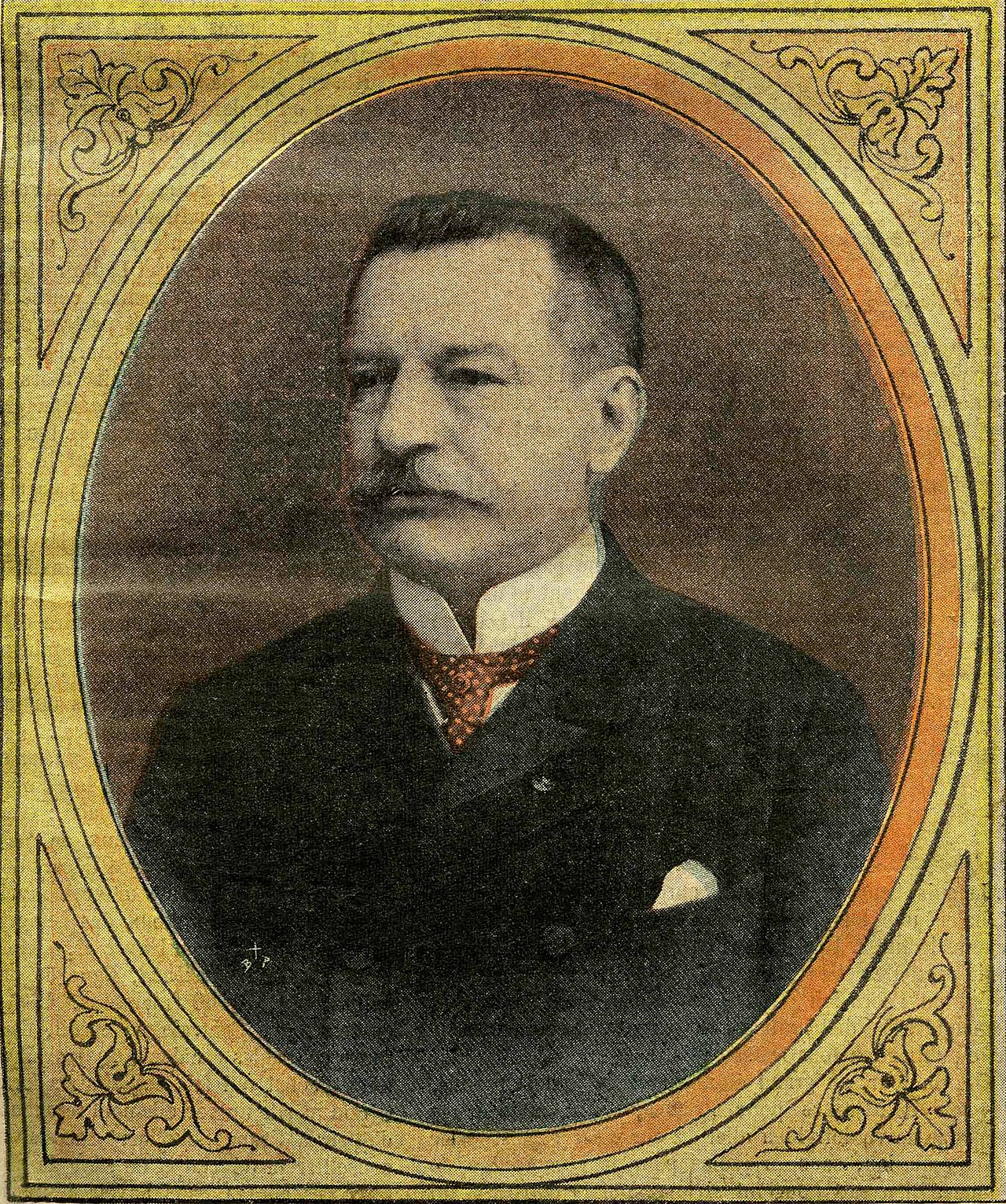
Appointment and political position
The prime minister is formally appointed by the King but must command the confidence of the federal parliament to govern. There is no set term length: incumbents remain in office while their government enjoys parliamentary support. Because Belgium uses a proportional electoral system and is divided into linguistic communities, prime ministers almost always lead broad coalitions that bring together several parties.
Powers, duties and limitations
The role focuses on coordinating ministers, setting agendas for cabinet meetings, negotiating coalition agreements, and managing crisis responses. The prime minister does not have absolute executive power; authority is exercised collectively by the Council of Ministers and is constrained by coalition agreements, regional governments, and parliamentary oversight. Internationally, the prime minister represents Belgium in intergovernmental forums and EU meetings.
History and development
Belgium became an independent state in 1830 and the modern office evolved over the 19th and 20th centuries as parliamentary government practices matured. Over time, especially with the federalization process of the late 20th century, the prime minister's role shifted toward coordination between federal and regional authorities and mediation between linguistic groups.
Political context and notable features
Belgian politics is characterized by coalition negotiation, frequent caretaker governments after elections, and sensitivity to language and regional balance. These features make the prime minister's negotiating and consensus-building skills crucial. Notable recent occupants include Sophie Wilmès, the first woman to serve as prime minister, and Alexander De Croo, who has led a federal coalition since 2020.
Further information
- Official lists and chronologies of holders of the office are maintained in public records; see the full list of prime ministers: List of Prime Ministers.
- For background on the country's institutions and federal structure, consult general resources about Belgium.
Related articles
Author
AlegsaOnline.com Prime Minister of Belgium Leandro Alegsa
URL: https://en.alegsaonline.com/art/79048