
Prime Minister of Croatia
The Prime Minister of Croatia is the head of government, responsible for leading the cabinet, setting policy priorities, and coordinating the work of ministries under the framework of the Croatian Constitution.
The Prime Minister of Croatia is the head of government and the leader of the executive branch responsible for running the country's internal administration and implementing legislation. In Croatian the office is commonly referred to as Premijer/Premijerka and formally as the Predsjednik/Predsjednica Vlade Republike Hrvatske. As the head of government the prime minister directs the work of the Government, chairs cabinet meetings and represents the government in relations with Parliament, the President and international partners, while being accountable to the Sabor (Croatian Parliament) and the public.
Image gallery
10 Images


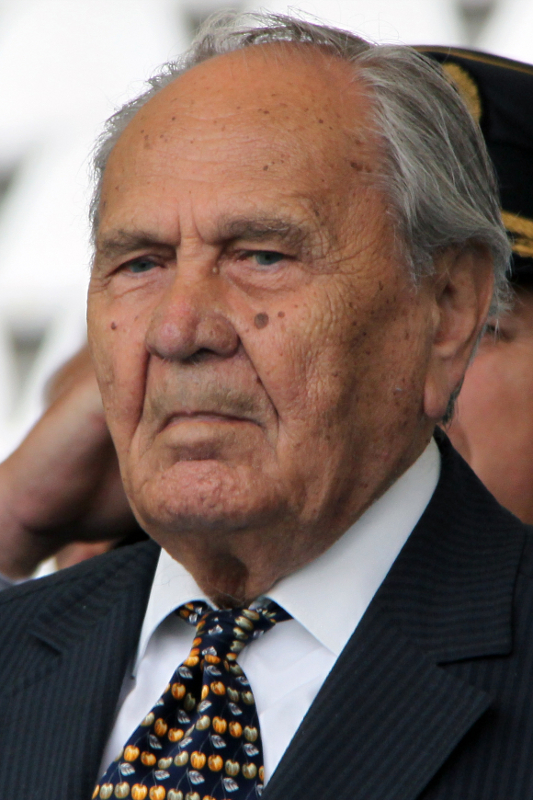

Role and responsibilities
The constitution defines the Government as the central executive body and establishes parliamentary supervision over it. The prime minister sets policy priorities, proposes the structure and membership of the cabinet, coordinates ministries and public administration, and signs government acts. Key responsibilities include forming a working cabinet, presenting government programs to Parliament, and ensuring that laws adopted by the Sabor are implemented.
Typical powers and limits:
- Appoints and dismisses ministers (usually with parliamentary approval).
- Leads cabinet deliberations and proposes major legislative initiatives to Parliament.
- Is constrained by parliamentary oversight, constitutional checks by the President and judicial review.
Selection, tenure and political importance
The prime minister is usually the leader of the largest political party or coalition in Parliament and is nominated following parliamentary elections. A new government must win a vote of confidence in the Sabor. The officeholder remains in post while commanding parliamentary support; loss of that support or a successful no-confidence motion normally leads to resignation or a change of government. Although the constitution describes a system of separated powers, in practice the prime minister is often the most politically influential official.
History and institutional context
The modern office developed with Croatia's contemporary constitutional order after the break-up of Yugoslavia and the country's international recognition. Over time the role has evolved as party politics, coalition dynamics and administrative reforms shaped government practice. The constitution also assigns specific functions to the President of the Republic and the Speaker of Parliament; in formal precedence the prime minister ranks after those two offices, reflecting Croatia's mixed parliamentary-presidential traditions.
Seat, examples and notable facts
The government meets at the historical Banski dvori building on St. Mark's Square in Zagreb; information about that seat is often shown together with profiles of incumbents on official pages Banski dvori. The officeholder typically travels and represents Croatia in international forums, coordinates crisis management and leads domestic policy. The incumbent prime minister (as listed on official sources) is Andrej Plenković. Additional context about Croatia and its institutions can be found on general country pages Croatia and comparative descriptions of heads of government heads of government. For constitutional and protocol details see materials on precedence and formal ranking order of precedence.
Understanding the office involves distinguishing legal powers written in the constitution from political influence that varies with parliamentary strength, coalition agreements and public support. The prime minister's effectiveness therefore depends both on formal authority and on political conditions within the Sabor and the wider party system.
Related articles
Author
AlegsaOnline.com Prime Minister of Croatia Leandro Alegsa
URL: https://en.alegsaonline.com/art/79053
Sources
- un.int : "Archived copy"
- sabor.hr : "The Constitution of the Republic of Croatia (consolidated text)"