
Prime Minister of East Timor (Timor-Leste)
The Prime Minister of Timor-Leste is the head of government responsible for executive leadership, policy coordination, and day-to-day administration under the constitutional system alongside the President.
Overview
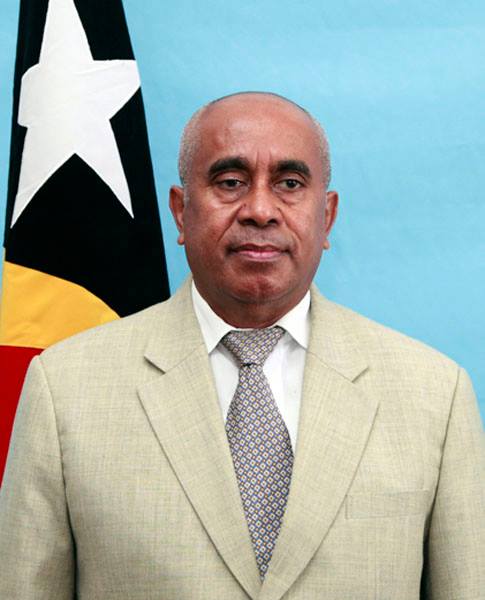
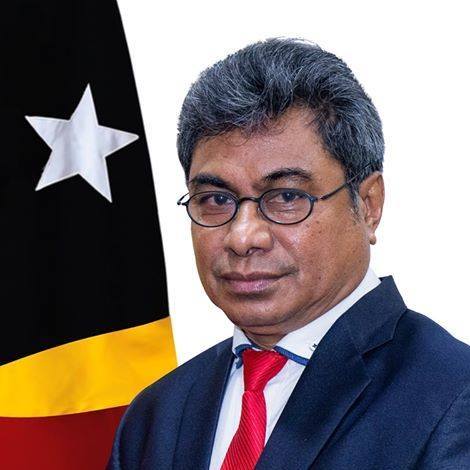
The Prime Minister of Timor-Leste is the head of government in the semi-presidential system of East Timor. The officeholder leads the Council of Ministers, directs the executive branch, and represents the government domestically and abroad. In Portuguese the title is Primeiro-Ministro and in Tetum it is Primeiru-Ministru.
Image gallery
10 Images




Role and constitutional powers
The constitution assigns the Prime Minister responsibility for forming and coordinating government policy, proposing ministers, and ensuring implementation of laws and budgets. The Prime Minister presides over cabinet meetings, allocates ministerial portfolios, and oversees the public administration. They operate within limits set by the legislature and the head of state.
Appointment and relationship with the President
The President of Timor-Leste formally appoints the Prime Minister and accepts their resignation; this process reflects electoral outcomes and parliamentary majorities. The President, as head of state, may consult with political leaders while the Prime Minister, as head of government, leads daily governance. For legal and procedural details see the role of the President and the office of the head of government.
Functions, duties and examples
- Forming a cabinet and presenting it to the President for appointment.
- Coordinating government policy and legislative priorities in parliament.
- Managing national administration, public services, and crisis response.
- Representing the government in international and regional forums.
History and significance
The office evolved after independence in 2002 as Timor-Leste built its institutions. Its influence varies with party strength in the National Parliament and the personalities of the Prime Minister and President. Political stability and coalition-building are often central to effective governance; constitutional provisions and conventions guide the balance of power, with reference to formal appointment rules and executive practice documented by national law and scholarship sources.
Notable distinctions
Unlike purely presidential systems, Timor-Leste separates head of state and head of government roles, so the Prime Minister’s mandate depends on parliamentary support. This division shapes how policy is formulated and how accountability to the legislature is maintained.
Related articles
Author
AlegsaOnline.com Prime Minister of East Timor (Timor-Leste) Leandro Alegsa
URL: https://en.alegsaonline.com/art/79055