
Prime Minister of Bulgaria
Head of government of Bulgaria who leads the Council of Ministers, coordinates policy, must retain the National Assembly's confidence, and directs day-to-day administration and government representation.
Overview
The Prime Minister of Bulgaria (Bulgarian title Министър-председател, transliterated Ministar-predsedatel) is the head of government in the Republic of Bulgaria. The prime minister leads the Council of Ministers (commonly referred to as the cabinet) and is the principal organizer of executive policy and administration. The officeholder is usually the leader of the political party or coalition that commands a majority, or a working plurality, in the National Assembly.
Image gallery
10 Images


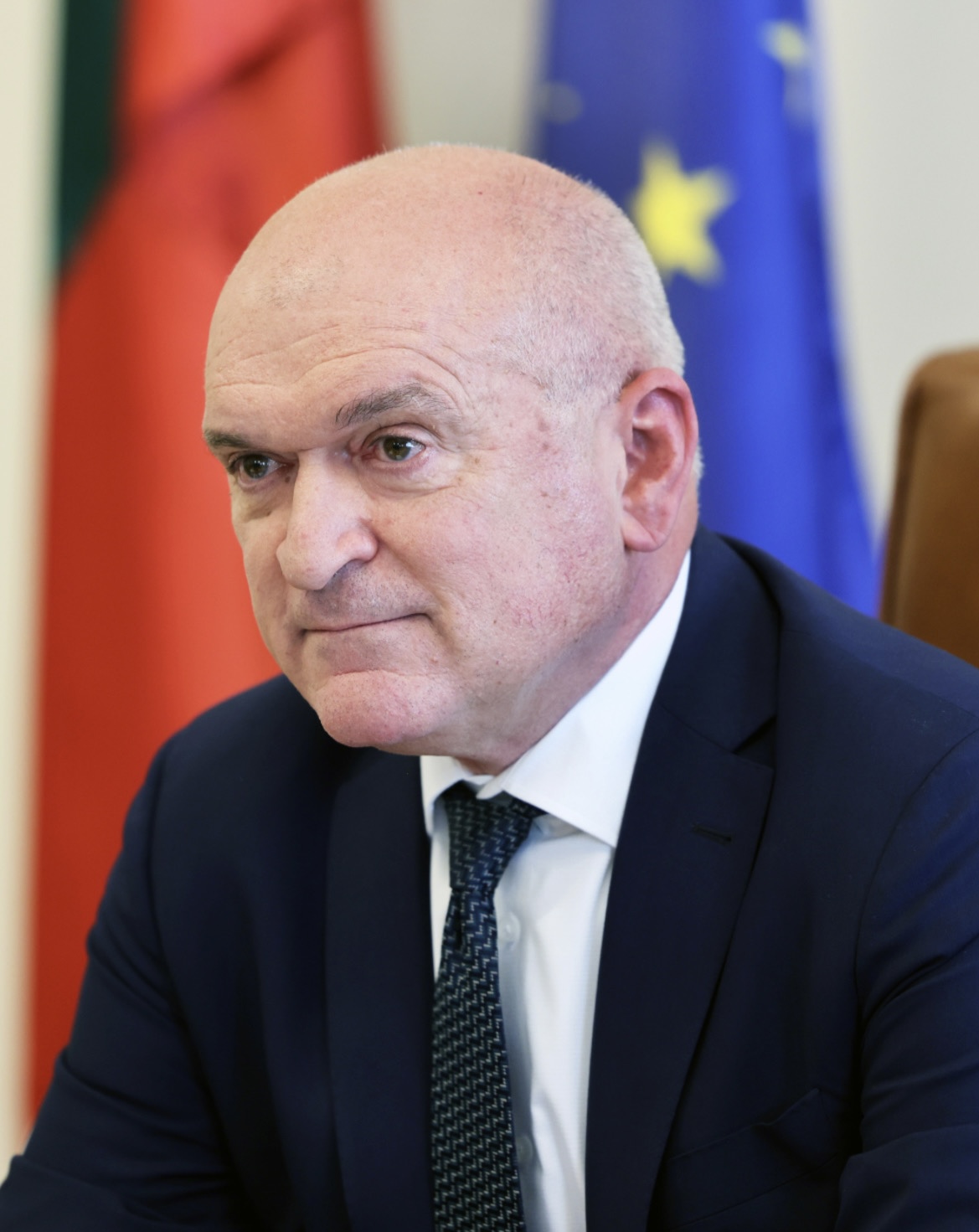
Role and responsibilities
The prime minister coordinates the work of ministries, sets government priorities, and directs the implementation of legislation adopted by the National Assembly. Core responsibilities typically include proposing the government's programme and budgetary priorities to parliament, submitting draft legislation, and overseeing public administration. The prime minister chairs cabinet meetings, allocates portfolios and may reshuffle ministers during a government's term.
- Leading and coordinating the Council of Ministers
- Formulating and presenting government policy programmes and legislative proposals
- Nominating and instructing ministers; supervising ministries and public agencies
- Ensuring execution of laws and effective public administration
Appointment, confidence and tenure
Formally, the president proposes a candidate to form a government, but the prime minister and cabinet must obtain a vote of confidence from the National Assembly to assume office. In practice the prime minister is the individual able to secure sufficient parliamentary support for a governing coalition or agreement. A government remains in office while it enjoys the Assembly's confidence; it can be dismissed by a vote of no confidence, by resignation, or following parliamentary elections that return a new majority.
Constitutional framework and limits
The Bulgarian constitution distributes executive functions between the prime minister and the president, with the prime minister responsible for everyday governance and the president retaining certain powers in foreign affairs, defence and the formal appointment process. Constitutional checks include parliamentary oversight, votes of confidence, budgetary control and judicial review. The prime minister's authority depends on political support in the Assembly and on relations with coalition partners.
Politics, coalition government and practice
Bulgaria's electoral and party systems often produce multiparty parliaments in which coalition governments are common. As a consequence, prime ministers frequently lead multi-party cabinets and must manage intra-coalition agreements and compromises. Coalition dynamics influence policy-making, ministerial appointments and the stability of governments. Political practice may vary with electoral outcomes and informal agreements between parties.
Caretaker governments and transitions
When the National Assembly cannot endorse a new cabinet after elections or if a government falls and no majority forms, the president may appoint a provisional or caretaker government to manage state affairs until a regular cabinet is installed. Caretaker prime ministers typically oversee routine administration and prepare for new elections rather than pursue substantial policy changes.
International role and representation
The prime minister represents the government in international forums, coordinates foreign policy implementation alongside the president and foreign ministry, and concludes certain intergovernmental arrangements. In diplomatic practice the prime minister engages with counterparts, leads negotiation teams and promotes national interests abroad.
Historical and institutional context
The office has evolved alongside Bulgaria's modern constitutional order. Over time constitutional amendments, changes in party systems and shifting public expectations have shaped the scope and practice of prime ministerial leadership. Political fragmentation, coalition bargaining and periodic caretaker administrations have become notable features of recent practice.
Further reading: For official texts and current procedural rules consult the National Assembly and constitutional sources. Relevant institutional terms in Bulgarian include Народно събрание (National Assembly) and the cabinet; see parliamentary publications and legal commentaries for detailed procedural norms.
Related articles
Author
AlegsaOnline.com Prime Minister of Bulgaria Leandro Alegsa
URL: https://en.alegsaonline.com/art/79049