
President of Montenegro
Overview of the office of the President of Montenegro: role, powers, election process, official residence, history and notable facts about the head of state.
The President of Montenegro is the country's head of state and a constitutional office that embodies Montenegro's international representation and certain domestic powers. The president is elected by popular vote for a five-year mandate and performs functions defined by the constitution and statutes. As of 2024 the office is held by Jakov Milatović, who won the 2023 election. The presidency has been shaped by Montenegro's transition from a Yugoslav republic to an independent state and by prominent political figures such as Milo Đukanović, who played a leading role in the country's recent political history. The president's formal residence is the Blue Palace in Cetinje, the historic royal capital of Montenegro.
Image gallery
10 Images
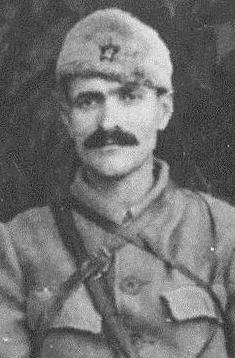


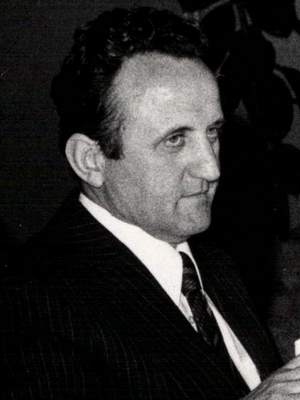
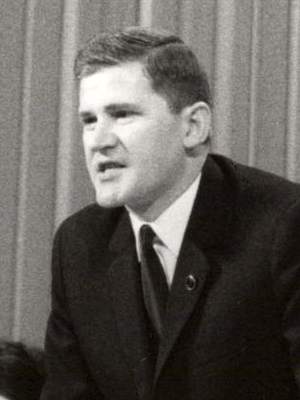
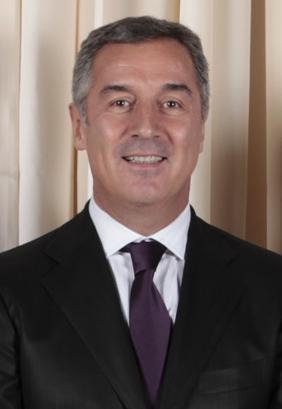
Constitutional role and duties
The president's remit combines ceremonial representation with a number of constitutional powers. The specifics are established by the Montenegrin constitution, but key elements commonly associated with the office include the authority to represent the state abroad, accredit and receive ambassadors, and sign or promulgate laws. In certain circumstances the president has responsibilities connected with national security and defence, and may act as commander-in-chief during times of war or emergency.
Typical powers and functions
- Representing Montenegro internationally and receiving foreign envoys;
- Promulgating legislation and, in some cases, referring laws to the constitutional court for review;
- Calling parliamentary elections and, after consultations, proposing or endorsing a candidate for prime minister;
- Concluding and ratifying international treaties subject to parliamentary approval;
- Granting clemency or honours within limits set by law.
Although the president has these authorities on paper, the practical reach of the office often depends on the balance of power with the government and the Assembly (parliament). In Montenegro’s parliamentary system many day-to-day executive functions are exercised by the prime minister and cabinet.
Election, term and succession
The president is chosen in a nationwide vote for a five-year term. Constitutional or electoral law prescribes the eligibility criteria, the conduct of elections, and procedures for removal or temporary substitution. If the president resigns, is incapacitated, or is otherwise removed, the constitution provides for an interim arrangement and a special election to select a replacement. These safeguards ensure continuity of the head-of-state functions.
History and notable aspects
The office evolved as Montenegro moved from being a constituent republic within Yugoslavia and later the State Union of Serbia and Montenegro to full independence following a 2006 referendum. Since independence the presidency has been an important symbol of statehood and continuity, often attracting veterans of the country’s political transformation. The Blue Palace in Cetinje remains a historic seat for the ceremonial side of the presidency, linking the modern institution to Montenegro’s royal and cultural past.
In comparative perspective, Montenegro’s president resembles other parliamentary republic heads of state: a figure who represents national unity and exercises constitutionally defined powers, but typically acts in concert with parliamentary majorities and the government in routine governance. During political crises or on matters of foreign policy and defence the president can play a decisive role, depending on political circumstances and legal authority.
Related articles
Author
AlegsaOnline.com President of Montenegro Leandro Alegsa
URL: https://en.alegsaonline.com/art/78851