
Milo Đukanović
Montenegrin politician and long-serving leader; multiple-term prime minister and president, key figure in Montenegro's post‑1990s politics and independence, associated with Democratic Party of Socialists.
Milo Đukanović (born 15 February 1962) is a prominent Montenegrin politician who has dominated his country's political scene since the early 1990s. He has served in the highest offices multiple times and is the long-time leader of the Democratic Party of Socialists. Đukanović has been the country's President since 2018 and previously held that office between 1998 and 2002.
Image gallery
10 Images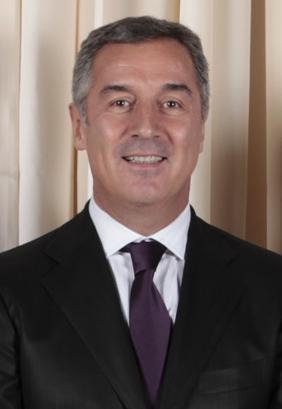


Early life and political rise
Đukanović entered public life as a young official in the final years of Yugoslavia and became a leading figure in Montenegro's post-communist party structures. He rose quickly through party ranks and first assumed the position of prime minister in the early 1990s, during a turbulent period marked by the collapse of the Socialist Federal Republic of Yugoslavia and the redefinition of state institutions across the region. He is often described as a pragmatic politician who adapted his policies and rhetoric across different eras.
Offices held
- Prime Minister on several occasions, first becoming head of government in the 1990s and later serving in the 2000s and 2010s.
- President of Montenegro in two distinct periods, most recently returning to the presidency in 2018.
- Long-term leader of the Democratic Party of Socialists, the successor party to Montenegro's former communist organization.
Policies and national impact
Đukanović played a central role in steering Montenegro toward independence and reorienting its foreign policy. Under his leadership the country moved away from close union with Serbia, held a referendum on independence in 2006, and pursued closer ties with Euro‑Atlantic institutions, including steps toward European Union integration and membership in NATO. Domestically, his governments emphasized market reforms, privatization and attracting foreign investment, while also confronting the challenges of transition from a socialist economy.
Controversies and assessments
Throughout his long tenure, Đukanović has been a polarizing figure. Supporters credit him with providing continuity, promoting sovereignty and guiding international integration. Critics and opponents have accused his administrations of authoritarian tendencies, inadequate transparency and of tolerating or enabling corruption and organized crime. He has faced allegations and investigations in various forms, which he has publicly denied. International observers have noted both democratic progress and persistent governance concerns in Montenegro.
As a defining personality of modern Montenegro, Đukanović's legacy is mixed: he is widely seen as the architect of the country's statehood and international reorientation, while debates about institutional reform, rule of law and political pluralism continue. For more context on Montenegro and its institutions see related resources.
Author
AlegsaOnline.com Milo Đukanović Leandro Alegsa
URL: https://en.alegsaonline.com/art/127073