
President of the Lao People's Democratic Republic
Overview of the President of Laos: role, selection, constitutional powers, relationship with the ruling party and government, historical development, and significance in Lao politics.
The President of the Lao People's Democratic Republic is the head of state of Laos. As the formal representative of the state, the president performs ceremonial duties and exercises powers defined by the constitution and laws. In practice, the influence of the office is shaped by the country’s single‑party system and the political standing of the individual within the Lao People's Revolutionary Party (LPRP).
Image gallery
10 Images


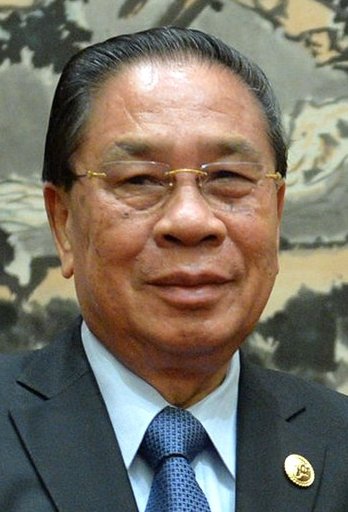


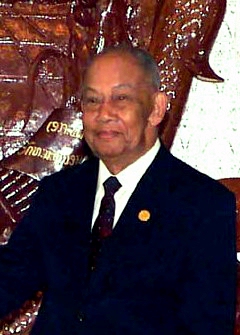

Selection and term
The president is chosen by the National Assembly, the country’s legislative body, usually following nomination by senior party organs. The officeholder typically serves a term that aligns with the legislative session and may be reappointed according to constitutional rules. Presidents are commonly senior figures within the LPRP and often have long careers in government or party leadership before assuming the post.
Constitutional powers and duties
The constitution assigns the president a range of formal responsibilities. These often include promulgating laws passed by the National Assembly, accrediting diplomats, representing the state abroad, and carrying out ceremonial functions. In many cases the president also has a role in appointing the prime minister and other senior officials, usually subject to approval by the National Assembly.
- Common duties: signing legislation, receiving foreign envoys, issuing decrees, and presenting national honors.
- State security and emergencies: the president may have a formal role in national defense or emergency declarations under constitutional provisions.
The practical exercise of these powers is influenced by collective leadership within the party and government institutions; therefore the president’s autonomy varies according to political context and rank within party structures.
History and political context
The office was established after the founding of the Lao People’s Democratic Republic following the end of the monarchy. Over time the presidency has been part of a political framework that emphasizes the leading role of the LPRP. Historically, some presidents have simultaneously held top party positions or previously served in executive roles, which affected the balance of authority between the presidency and the prime ministership.
Significance and notable aspects
The presidency in Laos combines ceremonial representation with constitutionally defined executive tasks, but its real weight depends on party hierarchy and political alliances. Observers note that, compared with presidents in multiparty systems, the office in Laos functions within a collective, party‑led governance model. For further institutional detail and current procedures consult authoritative sources or the National Assembly’s publications.
Related articles
Author
AlegsaOnline.com President of the Lao People's Democratic Republic Leandro Alegsa
URL: https://en.alegsaonline.com/art/78843
Sources
- mof.go.jp : "Comparison on Salary System for Government between Lao PDR and Japan"