
President of Kenya
The President of Kenya is the head of state and government, leading the executive, commanding the defence forces, appointing senior officials and representing Kenya under constitutional limits and democratic checks.
Overview: The President of the Republic of Kenya (Swahili: Rais wa Jamhuri ya Kenya) is both head of state and head of government. The office leads the national executive branch (executive branch) and represents Kenya (Kenya) in international affairs. The president is the commander-in-chief of the Kenya Defence Forces and performs duties defined by the Constitution and statutes. The role combines symbolic leadership with practical responsibilities for policy direction, administration and national security.
Image gallery
6 Images


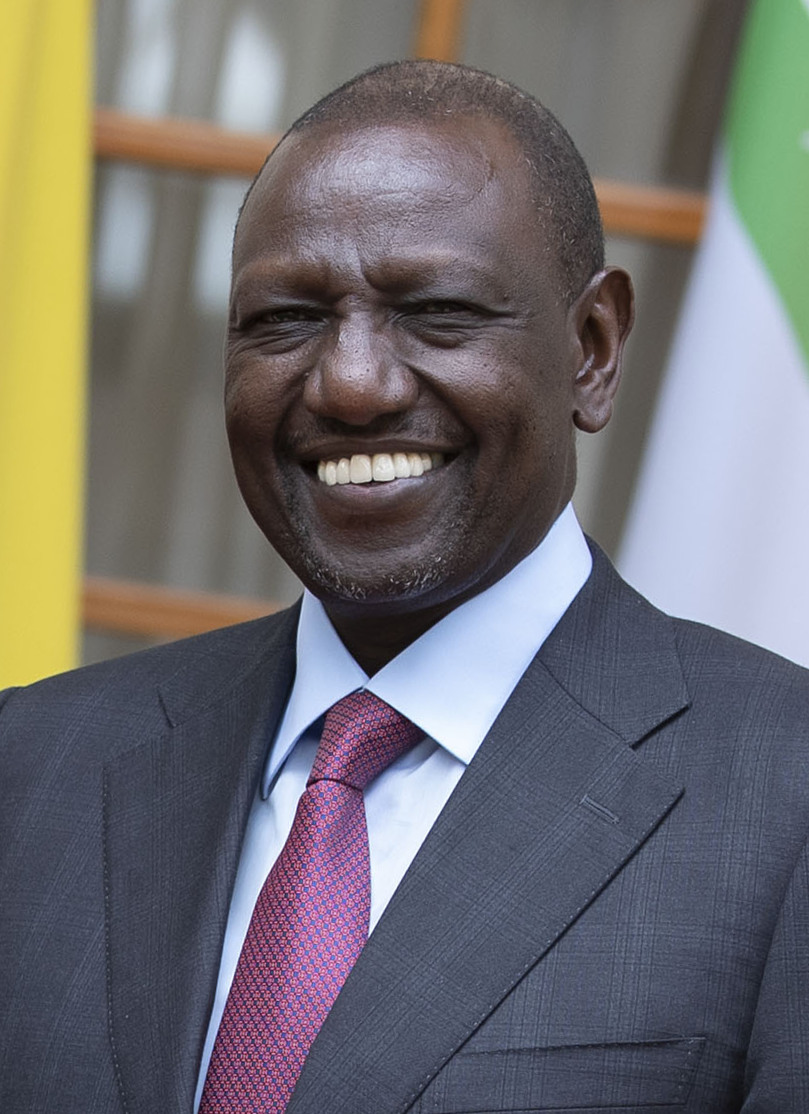


Role and functions
The president provides leadership on national policy, directs government operations, and appoints senior officials and cabinet members subject to constitutional procedures and parliamentary oversight. Typical functions include:
- Setting broad policy direction for the national government and overseeing implementation.
- Appointing and dismissing cabinet secretaries, senior civil servants and diplomatic representatives, with vetting where required.
- Serving as commander-in-chief and guiding national security strategy alongside security institutions.
- Signing bills into law or returning them for reconsideration and representing the state in international relations.
Election, term and succession
The president is chosen by nationwide popular vote under rules intended to ensure broad national support. The constitution establishes the duration of the presidential term and limits on re-election in order to promote democratic rotation. If the presidency becomes vacant, the deputy president normally assumes office as provided by law until a successor is elected or appointed under constitutional procedures.
Constitutional context and reforms
The office has evolved with Kenya's constitutional and political history. Major constitutional reforms in the early 21st century redefined the balance of powers between the presidency, parliament, the judiciary and devolved county governments. These changes aimed to strengthen checks and balances, clarify responsibilities, and improve accountability.
Qualifications, oath and privileges
Eligibility for the presidency is set out in the constitution and includes requirements related to citizenship, electoral registration and the absence of disqualifying criminal convictions. Newly elected presidents take an oath of office at a public inauguration and are provided with official residences and support services; one commonly known official residence is State House in Nairobi. The officeholder also receives security and allowances established by law.
Accountability and removal
The president is accountable to the electorate and to constitutional institutions. Mechanisms exist for judicial review of presidential acts and for removal from office through impeachment or other constitutional procedures in cases of serious wrongdoing or inability to perform the functions of the office.
History and incumbency
The position was established at independence; the country's first president was Jomo Kenyatta. Over time, different incumbents and constitutional changes have shaped the role. The current president is William Ruto. Related terms: head of state, head of government.
Related articles
Author
AlegsaOnline.com President of Kenya Leandro Alegsa
URL: https://en.alegsaonline.com/art/78841