
President of Croatia
Overview of the office of the President of Croatia: constitutional role, powers, election, historical development, and how the position differs from the head of government.
The President of Croatia is the country's head of state and its chief representative at home and abroad. In Croatian the office is commonly referred to as Predsjednik Hrvatske and officially styled the President of the Republic. The holder of this office is also constitutionally designated as the supreme commander of the armed forces and performs a range of ceremonial, diplomatic, and certain constitutional duties. Although the president is the highest-ranking official in state protocol, Croatia's parliamentary system allocates primary executive power to the prime minister and government.
Image gallery
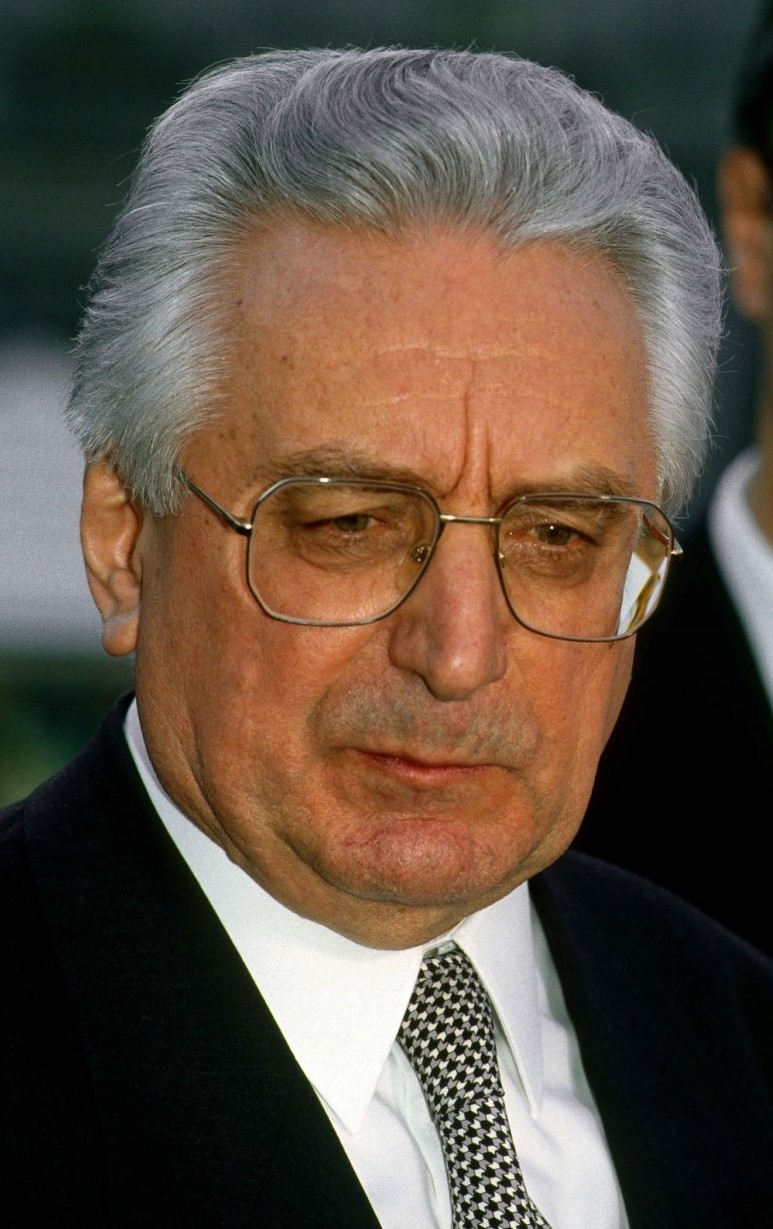
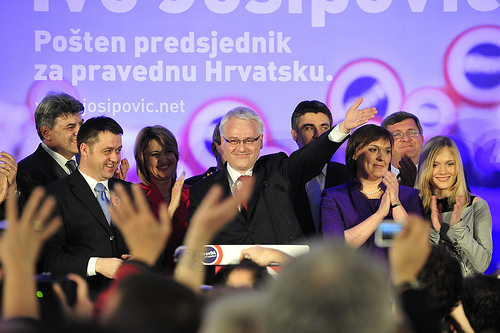
10 Images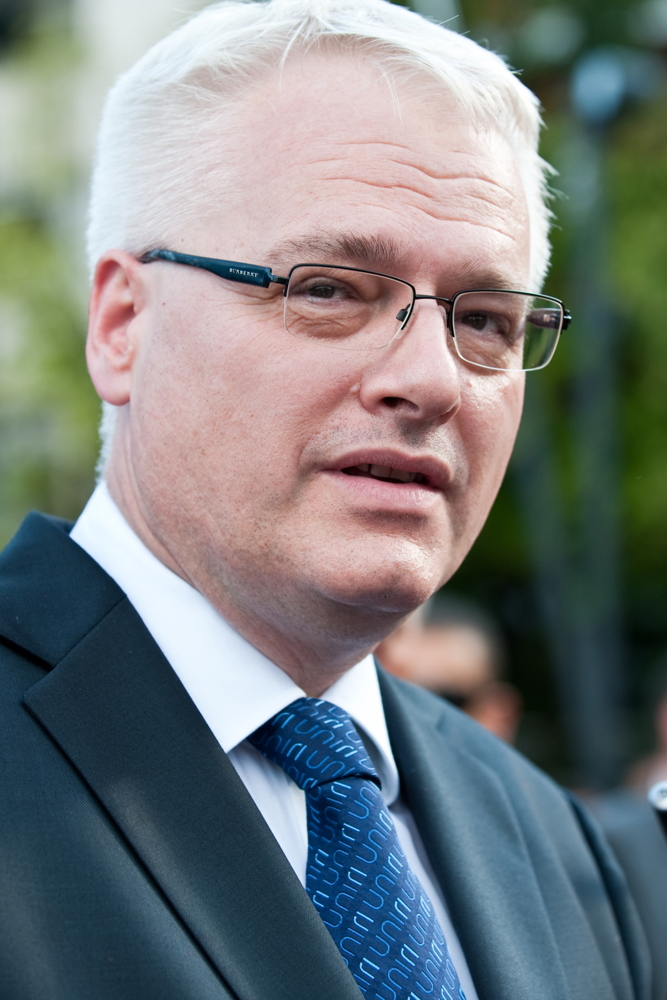





Roles and constitutional powers
The duties of the president combine symbolic representation with specific constitutional responsibilities. Common functions include representing the Republic of Croatia externally, accrediting and receiving ambassadors, and participating in shaping national security policy. The president is formally the commander-in-chief of the military and has roles related to defence and emergency powers, typically exercised with or on the advice of other institutions.
- Representation: receives foreign envoys, undertakes state visits and signs international agreements in cooperation with the government.
- Security and defence: holds supreme command authority in constitutional terms and participates in national security councils and consultations.
- Legislative interaction: promulgates laws passed by the parliament and has limited powers to call referendums or return legislation for reconsideration under constitutional rules.
- Appointments and honors: appoints certain officials and confers state orders and decorations according to law.
Election, term and qualifications
The president is chosen by direct popular vote. The office is typically held for a multi-year term, with constitutional limits on consecutive terms to ensure regular turnover. Candidates must meet eligibility criteria established in the constitution and election laws. After an election, the president works with the parliament and the prime minister on appointments and the formation of government where constitutionally required.
History and development
The modern office of the President of Croatia emerged during the country's transition to independence and the adoption of new constitutional arrangements in the early 1990s. During the 1990s the presidency had broad powers; subsequent constitutional amendments and political developments shifted many executive responsibilities to the prime minister and the parliament to reflect Croatia's parliamentary system. This evolution has produced a contemporary balance in which the president focuses on foreign policy, national unity and defence, while the government handles day-to-day administration.
Notable examples and distinctions
Several individuals who served as president have shaped expectations for the office through their approach to diplomacy, domestic politics and national defence. The presidency differs from the head of government: the prime minister is the chief executive and leader of the cabinet, whereas the president serves as head of state, a unifying national figure, and a check within the constitutional framework. For more detail on constitutional text and historical records see resources such as the official presidential site and national archives: head of state role, representative functions.
Further reading and resources
Readers seeking primary legal language and procedural rules can consult constitutional materials and official translations, electoral commission guidelines, and academic analyses of Croatia's semi-presidential elements. For contemporary biographies, election results and presidential activities consult government publications and reputable news sources: constitutional provisions, electoral procedure, and historical overview.
Related articles
Author
AlegsaOnline.com President of Croatia Leandro Alegsa
URL: https://en.alegsaonline.com/art/78815