
President of Chile
The President of Chile is the country's head of state and government, elected by popular vote for a four-year term under the 1980 Constitution, based at the Palacio de La Moneda.
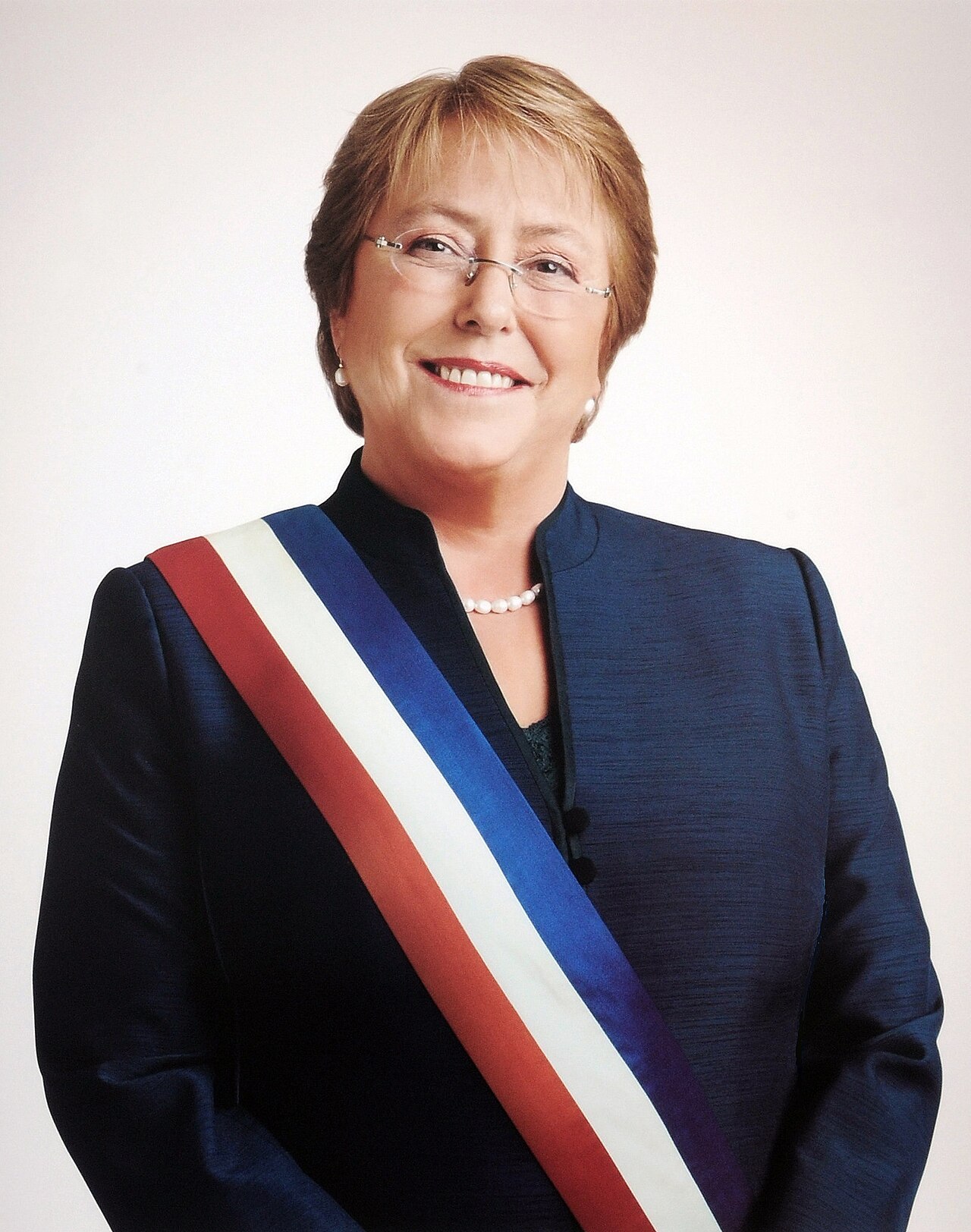
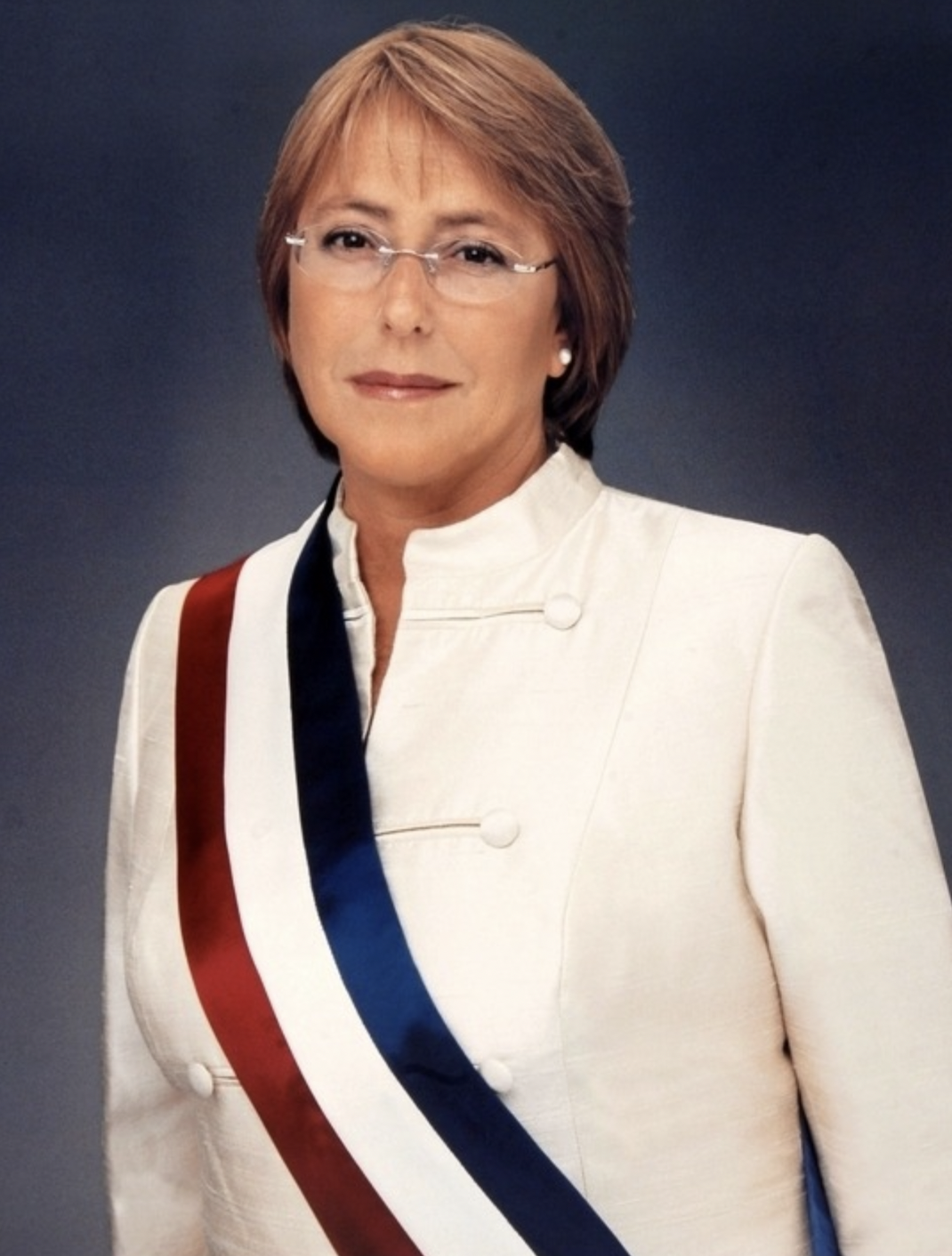
The President of Chile serves as both head of state and head of government in Chile's presidential system. The office directs the executive branch, represents Chile abroad, and has a central role in the formation and execution of public policy. The official workplace is the Palacio de La Moneda in Santiago, which is also a national symbol and the customary site for ceremonial events.
Image gallery
10 Images






Role and powers
The president is responsible for enforcing laws, proposing legislation to the national congress, and administering the public administration through appointed ministers and other officials. The office typically holds authority to:
- Appoint and remove ministers and senior civil servants who form the cabinet and run government departments.
- Promulgate and veto legislation passed by the National Congress, with constitutional limits and procedures for override.
- Conduct foreign affairs and represent Chile in international relations and treaties.
- Exercise command authority over the armed forces and coordinate public security policy, within civilian and constitutional controls.
Election, term and eligibility
Under the constitution in force since 1980, the president is chosen by popular vote for a four-year term. If no candidate achieves an absolute majority in the first round, a runoff between the two leading candidates decides the outcome. Immediate consecutive re-election is not permitted, so a former president must wait before seeking another term. Candidates must meet national eligibility requirements established by law.
Residence, symbols and administration
The Palacio de La Moneda is the historic seat of the presidency and houses formal offices and reception rooms. The president also uses official residences and retains symbolic prerogatives such as receiving foreign envoys and presiding over national ceremonies. The executive works through ministries and agencies that implement policy across areas such as finance, education, health, and defense.
History and notable facts
The office of the president traces its origins to the country's founding and has evolved through republican, parliamentary, and presidential phases. During the 20th century Chile experienced periods of civilian and military rule; after the return to democracy, the presidency became the principal locus of national leadership. The role combines ceremonial duties with significant administrative responsibility in Chile's political system.
Succession and temporary replacement are provided for in law: when the president is absent, incapacitated, or the office is vacant, designated officials assume executive duties to preserve continuity. For official information and recent developments consult the presidential website, an overview of the office, or the text of the constitution. The current incumbent is Gabriel Boric, who assumed office following a national election and leads the country's executive agenda.
Related articles
Author
AlegsaOnline.com President of Chile Leandro Alegsa
URL: https://en.alegsaonline.com/art/78811
Sources
- newclimateeconomy.net : newclimateeconomy.net