
President of Albania
The President of Albania is the country's head of state and symbol of national unity, with constitutional duties including representing Albania abroad, commanding the armed forces, and exercising limited domestic powers.
Overview
The President of Albania, formally styled the Presidenti i Republikës së Shqipërisë, is the republic's head of state and the constitutional representative of the unity of the Albanian people. The office combines ceremonial functions with a set of reserve powers intended to safeguard the constitutional order. While the prime minister and government run daily affairs, the president plays a distinct role in foreign representation, national ceremonies, and certain legal and military matters.
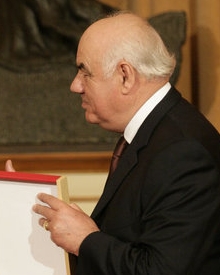
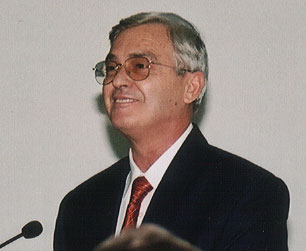
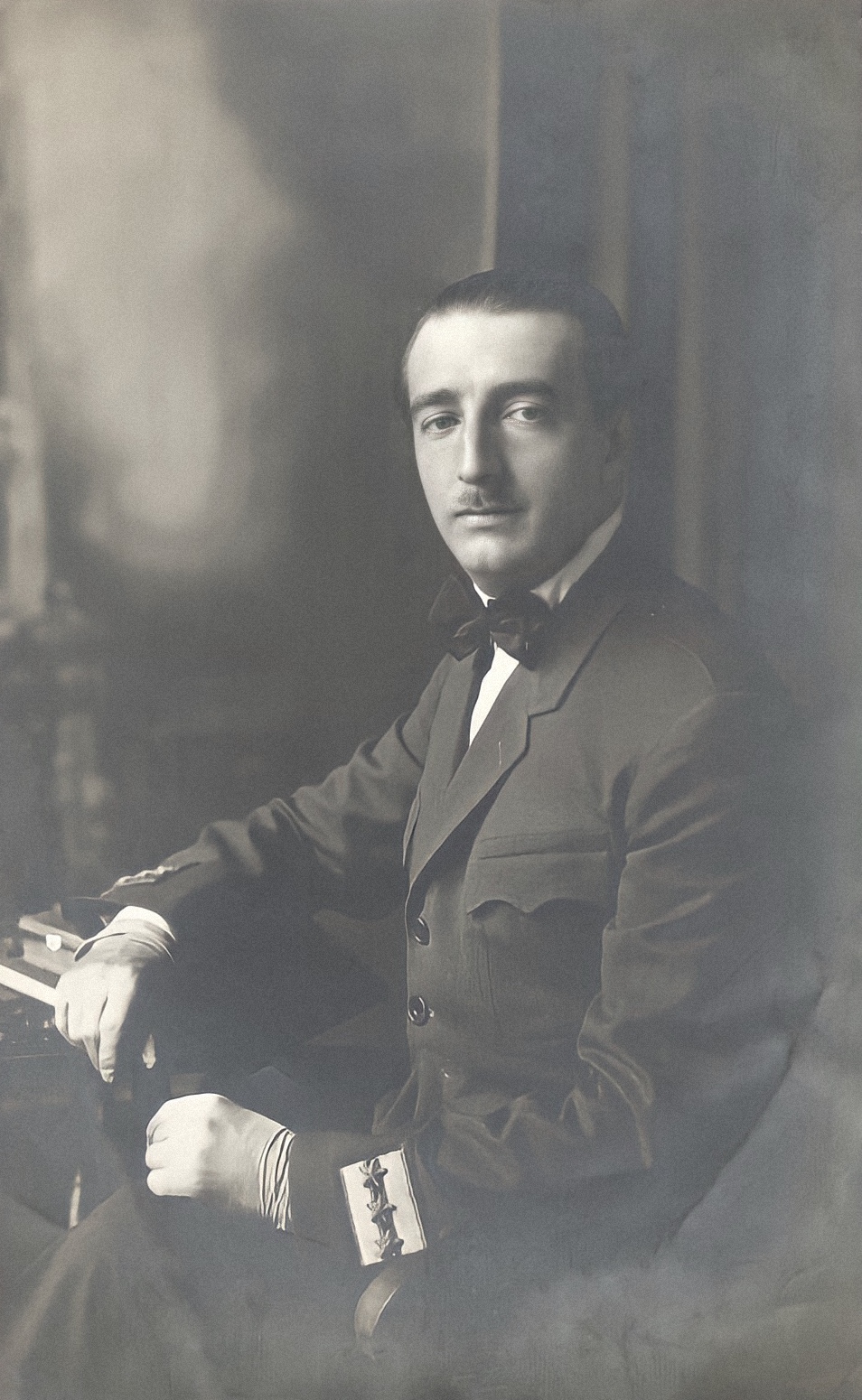
Image gallery
10 Images



Powers and responsibilities
The president performs several explicit duties under the constitution and laws. These include serving as head of state, acting as commander-in-chief of the armed forces, and representing Albania in diplomatic settings. In practice, many functions are formal or exercised in cooperation with parliament and government institutions.
- Military and security: The president is recognized as commander-in-chief in constitutional language and has a role in high-level military appointments and national defence matters.
- Legislative relations: The president promulgates laws and may interact with parliament over timing and constitutionality, including referring issues for judicial review or reconsideration where permitted by law.
- Electoral and civic acts: The office can set dates for national votes and referenda under constitutional rules; the power to set election timing is one of the president's procedural authorities (election date).
- Pardons and honors: The president grants pardons, commutes sentences in specific cases, and awards state decorations and honors (pardons and awards).
Election, term and limits
The president is elected by the national legislature rather than by direct popular vote. The office has a fixed constitutional term, and a president may serve more than one term according to the rules that govern re-election and eligibility. Candidates are typically prominent political or civic figures chosen through parliamentary consensus or negotiation.
History and development
The modern presidency evolved through Albania's 20th-century political changes: the monarchy and early republican periods, decades of communist rule, and the democratic transition at the end of the 20th century. The present constitutional framework refines the president's role as a balance to parliamentary governance, aiming to provide a nonpartisan guardian of constitutional continuity and national sovereignty.
Distinctions and significance
Compared with the prime minister, the president's position is more representative than executive, but it retains meaningful constitutional tools to influence political life, especially in moments of crisis. The office is expected to act above party politics, to protect democratic institutions, and to perform ceremonial duties such as receiving foreign envoys and presiding over national celebrations. For additional official details and historical records, see authoritative institutional sources or constitutional texts via the parliamentary archives and legal commentaries (Albanian title, role).
Notable practical examples of presidential functions include setting election timetables in coordination with electoral authorities, granting clemency in individual cases, and formally accrediting ambassadors. The balance between symbolic leadership and practical authority makes the presidency a central element of Albania's constitutional architecture and national identity.
Related articles
Author
AlegsaOnline.com President of Albania Leandro Alegsa
URL: https://en.alegsaonline.com/art/78797
Sources
- sarajevotimes.com : "Infographic: What are the Monthly Salaries of Presidents in the Region - Sarajevo Times"
- wipo.int : "KUSHTETUTA E REPUBLIKËS SË SHQIPËRISË"
- books.google.de : Albania in Pictures