
Premier of Saskatchewan
The Premier of Saskatchewan is the province's head of government, leader of the executive council and the central political figure in provincial decision‑making and legislative leadership.
Overview
The Premier of Saskatchewan is the head of government for the Canadian province represented by Saskatchewan. As the senior political leader in the province, the premier serves as the chief decision‑maker of the executive branch, chairs the provincial cabinet (Executive Council) and directs the legislative agenda presented to the Legislative Assembly. The office is equivalent at the provincial level to a prime minister at the national level and is distinct from the Crown's representative, the lieutenant governor.
Image gallery
2 Images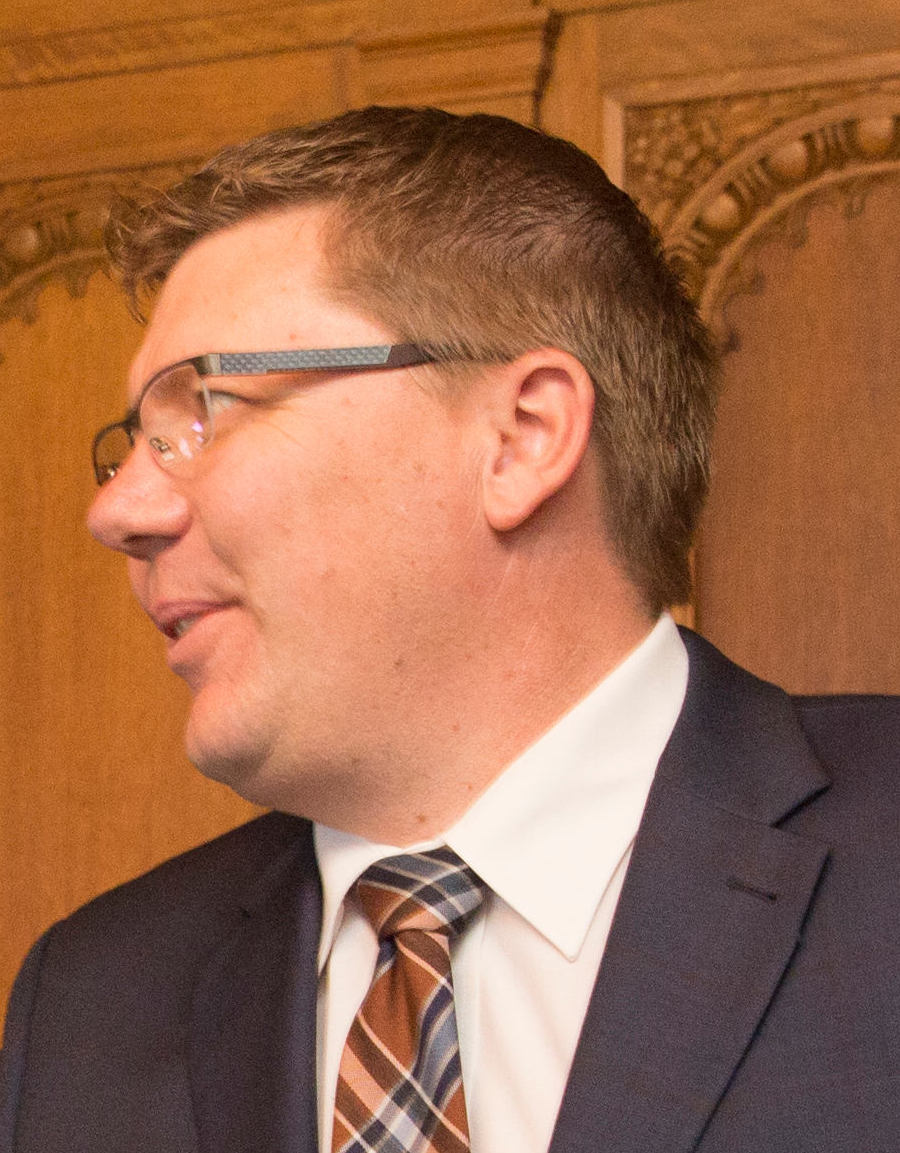

Role and responsibilities
The premier exercises a mix of constitutional, political and administrative powers. Typical responsibilities include:
- Leading the governing party or coalition in the Legislative Assembly and ensuring the government maintains legislative confidence.
- Selecting ministers and allocating portfolios as head of the Executive Council (cabinet).
- Setting policy priorities, proposing budgets and coordinating provincial programs and services.
- Representing Saskatchewan in intergovernmental relations, including discussions with the federal government and other provinces.
- Providing public leadership during emergencies and on major economic, social and infrastructure initiatives.
Appointment and tenure
Formally, the premier is appointed by the lieutenant governor, who represents the Crown in Saskatchewan, but convention dictates the office is held by the leader of the party that commands the confidence of the elected Legislative Assembly. A premier remains in office while they retain majority support, until resignation, defeat in a general election, replacement as party leader, or a vice‑regal dismissal in rare constitutional crisis situations. For context, the premier is the province's de facto chief executive while the lieutenant governor performs ceremonial and constitutional duties.
History and development
Saskatchewan entered Confederation in 1905, and the premiership has evolved as provincial government powers grew. Over the twentieth century the office became the focal point for major policy innovations in the province: for example, under Premier Tommy Douglas the provincial government pioneered social programs that influenced national developments in public health and social policy. Political leadership has alternated among several parties, reflecting regional, economic and social shifts within the province.
Importance, examples and notable facts
The premier shapes decisions on healthcare, education, resource management and economic development, and often becomes the public face of provincial priorities in national debates. The incumbent named in public records is Scott Moe, who was sworn in as premier on February 2, 2018. Readers seeking more on the office's legal framework and contemporary incumbency can consult resources about the province at Saskatchewan and about the nature of executive government at head of government.
Distinctions and comparison
Unlike a head of state, the premier is a partisan political leader responsible to an elected assembly. Compared with the federal prime minister, a provincial premier has authority limited to areas assigned to provinces under the Canadian constitution, while national and international matters remain federal responsibilities. The premier's influence depends on party discipline, legislative strength and public support, making the role both powerful and politically contingent.
Related articles
Author
AlegsaOnline.com Premier of Saskatchewan Leandro Alegsa
URL: https://en.alegsaonline.com/art/78741
Sources
- saskarchives.com : "Ministries"
- legassembly.sk.ca : legassembly.sk.ca
- thecanadianencyclopedia.ca : "Premier" · archive.is
- thecanadianencyclopedia.ca : thecanadianencyclopedia.ca/en/article/premiers-of-saskatchewannbspnbspnbsp/