
Premier of the British Virgin Islands
Head of government in the British Virgin Islands; leads the elected ministry, advises the Governor, and directs domestic policy under the territory's constitution.
The Premier is the principal elected official who functions as the head of government in the British Virgin Islands. As the leader of the party or coalition holding majority support in the elected legislature, the Premier directs the territory’s domestic policy, chairs Cabinet meetings and coordinates ministries. The office exists within the framework of a constitutional relationship between local democratic institutions and the British Crown.
Image gallery
6 Images

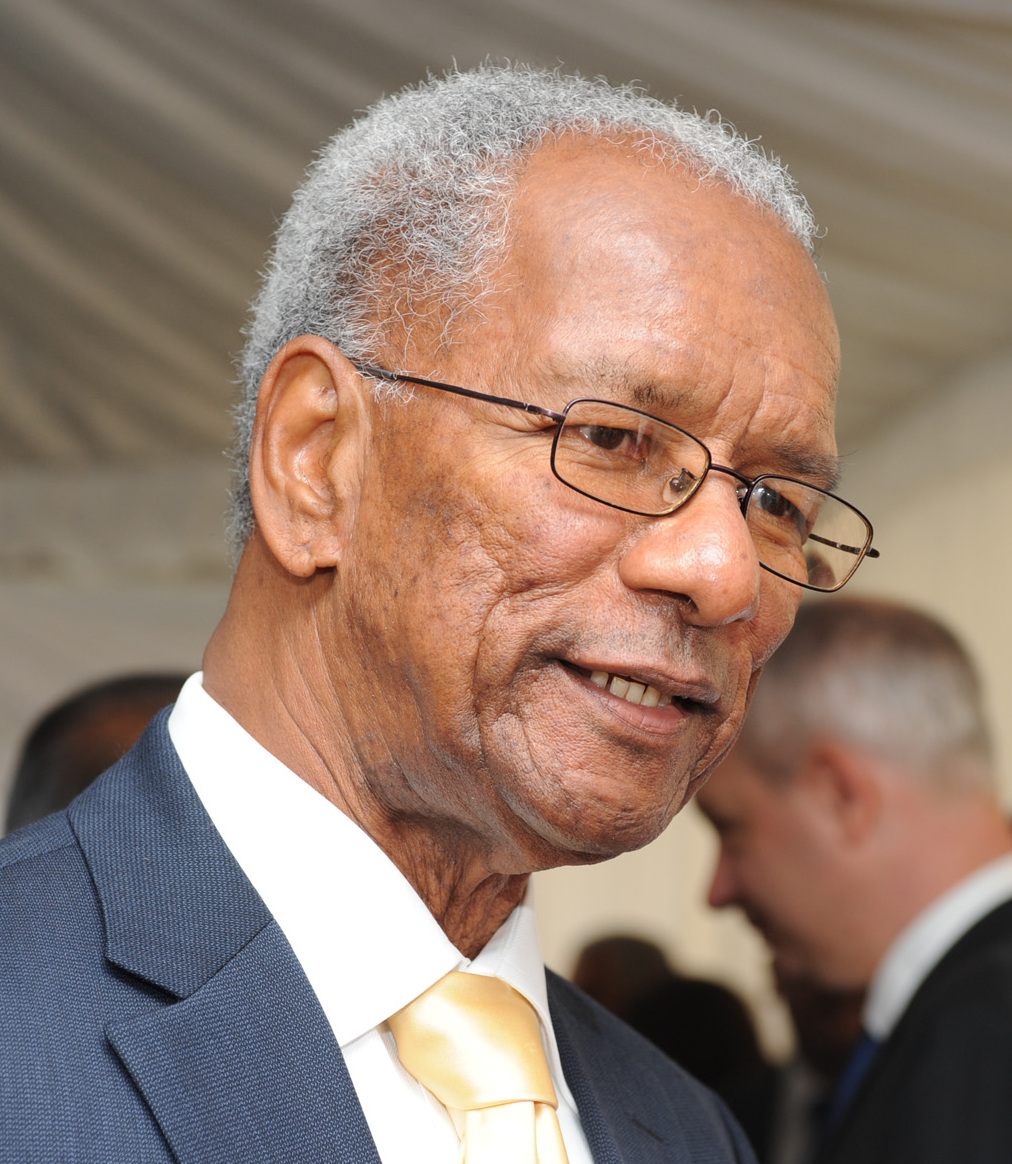


Role and responsibilities
The Premier’s practical duties typically include:
- Leading the Cabinet and setting government policy priorities.
- Proposing legislation and presenting budgets to the elected House.
- Appointing ministers from among elected members and allocating portfolios.
- Representing the territory in many internal matters while interacting with the Governor on reserved issues.
Appointment, confidence and limits
The Premier is formally appointed by the Governor, who acts as the Crown’s representative. The appointment follows the convention that the Governor invites the individual most likely to command the confidence of the legislature to form a government; see the office described as the head of government. While the Premier manages local affairs, some powers remain with the Governor and the Crown—particularly in areas such as defence, external relations and certain matters of public order and public service—reflecting the territory’s status under the British monarch, represented by the Governor (monarch).
Constitutional background and history
The modern title and powers derive from the territory’s written constitution. The office was previously styled differently under earlier constitutional arrangements; for example, the title of Chief Minister was used in past decades before constitutional updates introduced the designation "Premier." These changes reflected broader moves across British Overseas Territories to clarify executive responsibilities and local autonomy while preserving reserved Crown functions.
Notable holders and recent context
Individuals who lead the government gain prominence as the territory’s principal policymakers and public interlocutors with the United Kingdom and external partners. One notable officeholder, Andrew Fahie, took office on 26 February 2019. Historical references may also note the long reign of Queen Elizabeth II as monarch during much of the late 20th and early 21st centuries; the Governor now represents the reigning sovereign.
Because the Premier depends on legislative support, the office is subject to change through elections, shifts in party alliances or votes of no confidence. In practice, the post combines local democratic legitimacy with constitutional checks intended to balance self-government and the responsibilities of a British Overseas Territory.
For additional information on the office, its procedures and recent occupants, consult official territorial sources and the territory’s constitution as published by local authorities or official repositories (head of government, British Virgin Islands, monarch).
Related articles
Author
AlegsaOnline.com Premier of the British Virgin Islands Leandro Alegsa
URL: https://en.alegsaonline.com/art/78746
Sources
- bvi.gov.vg : The Virgin Islands Constitution Order 2007 · web.archive.org
- bvinews.com : "Andrew Fahie sworn in as Premier"