
Actinobacteria (Actinomycetota)
Actinobacteria are a diverse phylum of Gram-positive bacteria found in soil, water, and host-associated microbiomes; they include important decomposers, antibiotic producers, symbionts and pathogens.
Overview
Actinobacteria, also called Actinomycetota in some classifications, are a large and diverse group of mainly Gram-positive bacteria. Many species are abundant in soil and freshwater habitats, where they help break down complex organic compounds. Some lineages live in close association with plants or animals, from beneficial mutualists to notorious pathogens. The term "actinomycete" historically referred to filamentous members of the group and reflects their occasional fungal-like appearance.
Image gallery
3 Images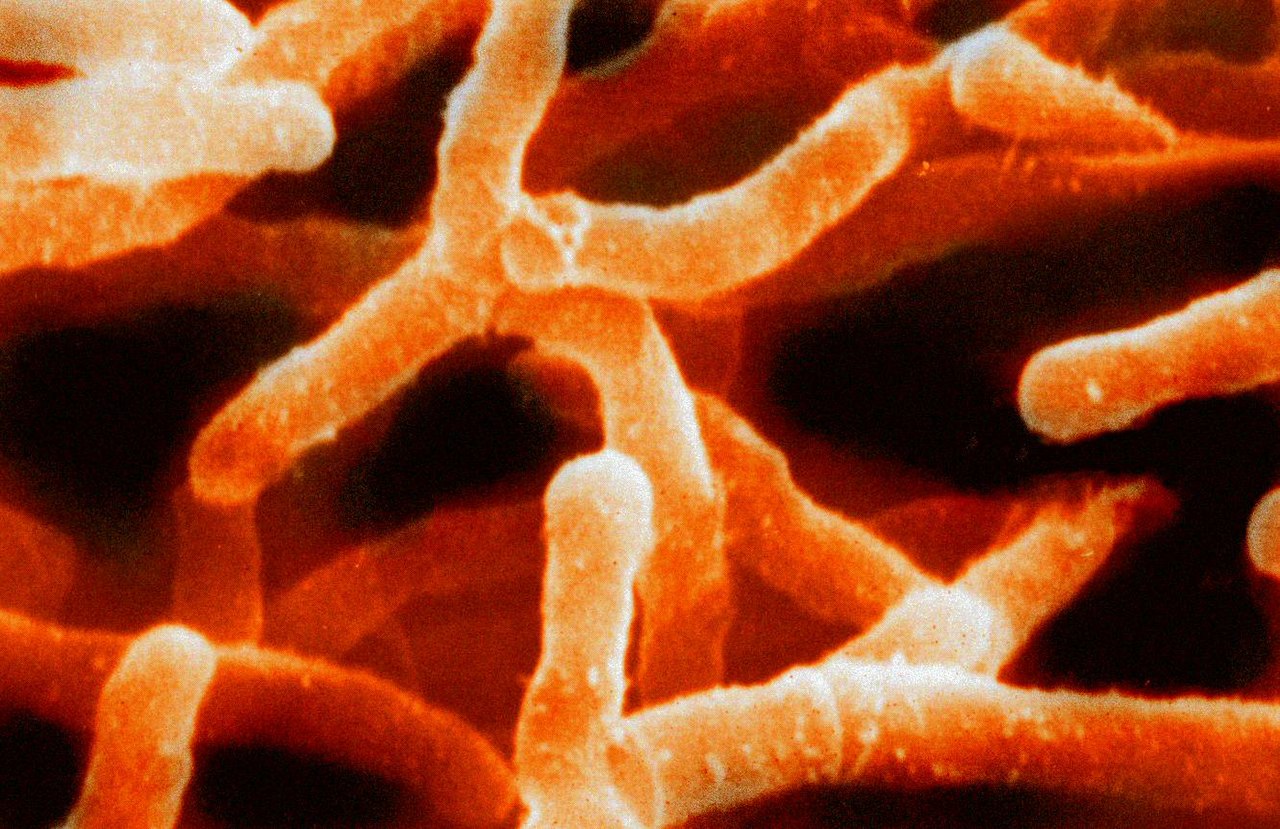

Key characteristics
Members of this phylum share a set of distinctive traits, although the group is highly varied in form and lifestyle. Typical features include:
- Cell wall structure consistent with Gram-positive bacteria, often with thick peptidoglycan and unique chemical markers.
- Relatively high genomic G+C content compared with many other bacterial groups, influencing genome structure and physiology.
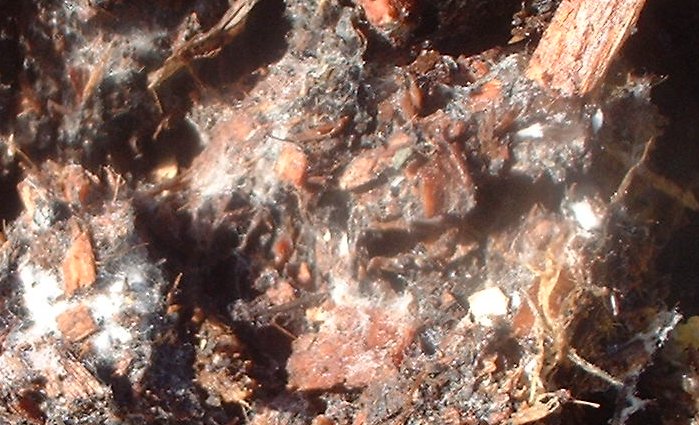
- Many soil-dwelling species form branching filamentous networks (mycelia) and sometimes aerial spores, a growth habit that originally led to confusion with fungi.
- Metabolic versatility: they degrade complex polymers (cellulose, chitin, lignin-derived compounds) and contribute to the formation of soil humus and nutrient cycling (decomposition, humus).
History and taxonomy
Actinobacteria were recognized early because many form visible, cottony colonies and produce earthy odors in soil. Classical microbiologists often treated filamentous actinomycetes as fungi; later advances in microscopy and chemical analysis showed they are bacteria. Modern molecular phylogenetics groups them as a distinct bacterial phylum that includes well-known genera such as Streptomyces, Mycobacterium, Bifidobacterium and Frankia.
Ecological roles and practical importance
In soils and sediments, actinobacteria are major decomposers that help recycle carbon and other elements and influence soil structure and chemistry. The genus Streptomyces is particularly notable for producing a vast array of bioactive compounds: many clinically important antibiotics, antifungals and other pharmaceuticals originate from Streptomyces and related taxa. Some actinobacteria form nitrogen-fixing symbioses with plants (e.g., Frankia), while others such as Mycobacterium tuberculosis are important human pathogens. Bifidobacterium species are common members of infant gut microbiomes and are valued for their association with healthy digestion.
Applications, research and notable facts
Actinobacteria are exploited in biotechnology for natural product discovery, enzyme production, bioremediation and agricultural biocontrol. Their secondary metabolites remain a rich source for new drugs. Scientists also study actinobacteria from extreme environments and permafrost, where some strains have been revived from long-frozen samples; such findings illuminate microbial longevity and adaptation but are handled cautiously due to questions about contamination and age estimates.
Because the phylum spans beneficial, neutral and harmful species, actinobacteria are of interest across ecology, medicine, industry and basic biology. Their filamentous growth, chemical diversity and ecological impact make them among the most influential bacterial groups in terrestrial ecosystems.
Further reading and curated resources can be found through specialist databases and reviews (Gram-positive overview, decomposition studies, soil humus research, tuberculosis information).
Related articles
Author
AlegsaOnline.com Actinobacteria (Actinomycetota) Leandro Alegsa
URL: https://en.alegsaonline.com/art/784