
Adenosine triphosphate (ATP) — the cellular energy carrier
Adenosine triphosphate (ATP) is the primary molecule cells use to store and transport chemical energy, driving metabolism, transport, movement and signaling across all forms of life.
Overview
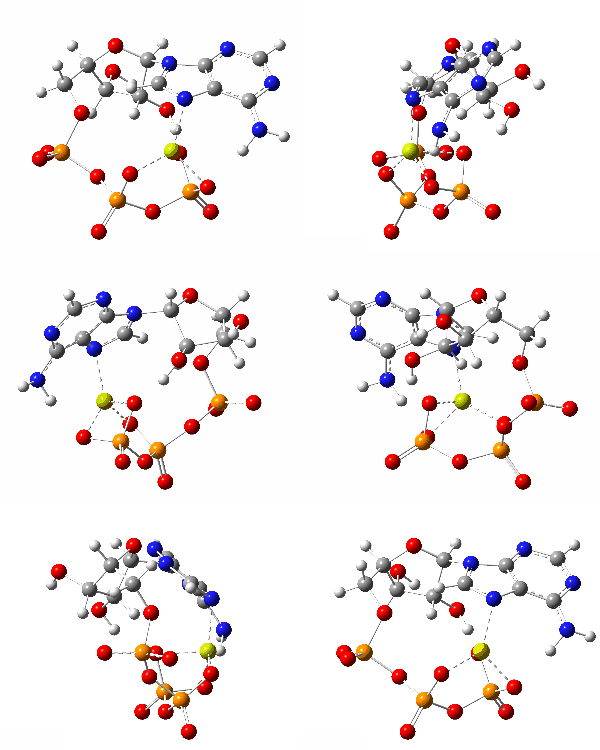
Adenosine triphosphate, commonly abbreviated ATP, is a small organic molecule that cells use to store and transfer usable chemical energy. Structurally it combines an adenine base, a ribose sugar and three linked phosphate groups; the bonds between those phosphates are the main sites for energy release. For a concise illustration of its chemical make-up see chemical structure. ATP's ability to accept and donate phosphate groups makes it fundamental to many cellular processes.
Image gallery
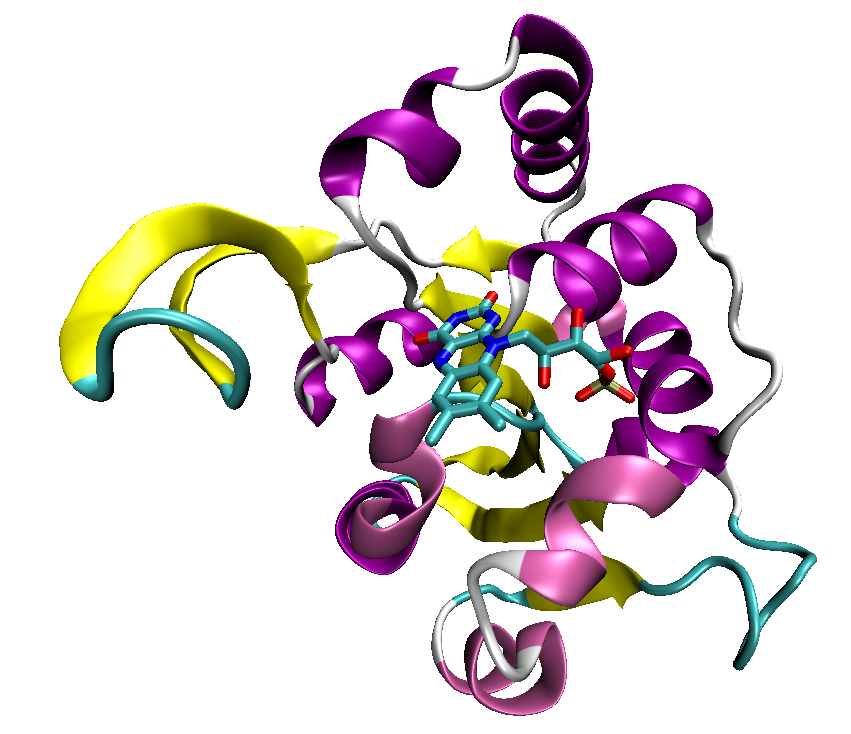
4 Images

Structure and energetic role
The three phosphate groups in ATP are often described as terminal, middle and inner; hydrolysis of the terminal phosphate converts ATP to adenosine diphosphate (ADP) and an inorganic phosphate (Pi), releasing energy that enzymes and molecular machines use. A second hydrolysis step yields adenosine monophosphate (AMP) and another phosphate. Cells constantly regenerate ATP from ADP and AMP by adding phosphate groups back, using energy from nutrients or light.
Production pathways
ATP is produced by several biochemical routes. In most organisms, cellular respiration—through glycolysis, the citric acid cycle and oxidative phosphorylation—generates the bulk of ATP. Plants and some bacteria also synthesize ATP via photophosphorylation during photosynthesis. In some reactions, phosphate transfer happens directly between substrates (substrate-level phosphorylation). These pathways allow organisms to maintain a relatively small but highly dynamic ATP pool that is continuously recycled.
Roles and examples
ATP participates in a wide variety of cellular functions. Key examples include:
- Mechanical work: powering muscle contraction and motor proteins that move cargo along cytoskeletal tracks.
- Transport work: driving ion pumps and transporters such as the Na+/K+ ATPase to maintain membrane gradients.
- Chemical work: supplying phosphate groups in biosynthetic reactions and activating intermediates for synthesis of macromolecules.
- Signaling: serving as an extracellular signaling molecule and a precursor of adenosine, which can modulate physiological responses.
Historical perspective and significance
By the mid-20th century scientists recognized ATP as the universal energy currency of the cell. This insight unified many observations about metabolism and clarified how energy from foods or light is converted into the work cells perform. Today ATP remains central to biochemistry, cell biology and medicine: its turnover rate, distribution and synthesis are key indicators of cellular health and metabolic state.
Distinctions and notable facts
Although ATP is commonly called the energy currency, it is not an energy store in the form of a large reserve; instead, cells continuously regenerate ATP from fuels. Other nucleoside triphosphates, such as GTP, also supply energy in specific reactions, but ATP is the most widely used. In laboratory settings, ATP measurements and ATP-dependent assays are routine tools for studying metabolism and cell viability. For further reading on how ATP drives particular processes, see cellular processes.
Questions and answers
Q: What is adenosine triphosphate?
A: Adenosine triphosphate (ATP) is a chemical that is used by living things to store and transfer energy.
Q: What is the purpose of ATP in living things?
A: The purpose of ATP in living things is to store energy and transfer it to cells that need it.
Q: How do cells get their energy?
A: Cells get their energy from breaking apart ATP molecules to release stored energy.
Q: Do all living things make ATP?
A: Yes, all living things make ATP in order to store and transfer energy.
Q: Why is ATP necessary for cells that work harder?
A: ATP is necessary for cells that work harder because they need more energy to function, and ATP is the molecule that provides that energy.
Q: Can living things survive without ATP?
A: No, living things cannot survive without ATP because it is the molecule that provides energy for all cellular processes.
Q: What happens when ATP molecules are broken apart?
A: When ATP molecules are broken apart, the stored energy is released and used by the cell for various processes.
Related articles
Author
AlegsaOnline.com Adenosine triphosphate (ATP) — the cellular energy carrier Leandro Alegsa
URL: https://en.alegsaonline.com/art/973
Sources
- jbc.org : "Ribonucleotide reductases: amazing and confusing"
- pubmed.ncbi.nlm.nih.gov : 2180924
- ncbi.nlm.nih.gov : "Polymerase structures and function: variations on a theme?"
- pubmed.ncbi.nlm.nih.gov : 7592405
- legalanavarsteroid.com : "ATP for muscle contraction"