
Plucked string instrument: definition, types, construction and techniques
An overview of plucked string instruments: how they work, common types (guitar, lute, banjo, mandolin, ukulele, bass), historical development, playing techniques and distinguishing features.
A plucked string instrument produces sound when one or more strings are set vibrating by plucking with the fingers, fingernails, or a small implement. The vibrating string transfers energy to a resonating body or to an electronic pickup, creating the audible tone. The basic physics—string tension, length and mass—controls pitch, while the instrument's body and materials shape timbre.
Image gallery
6 Images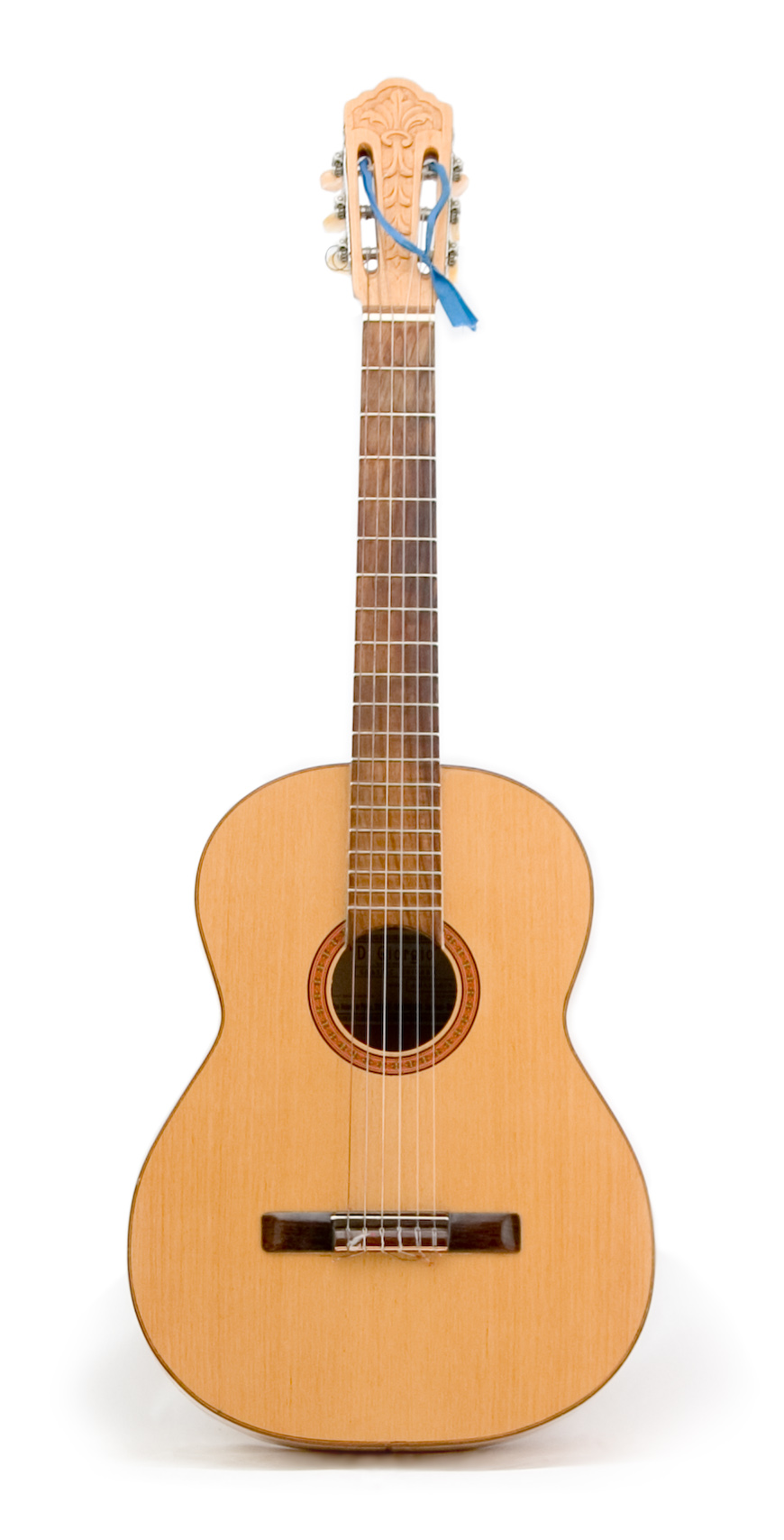



Construction and common components
Most plucked instruments share a few core parts: strings stretched over a bridge and nut, a neck or frame to set scale length, and a resonator (soundboard, hollow body, or electronic pickup). Variations include frets on the fingerboard, paired "courses" of strings (as on the mandolin), sympathetic strings (as on the sitar), and different string materials such as gut, nylon or steel. Players may use bare fingers, nails, or a plectrum; a typical fingerstyle approach is often called fingerpicking.
Types and examples
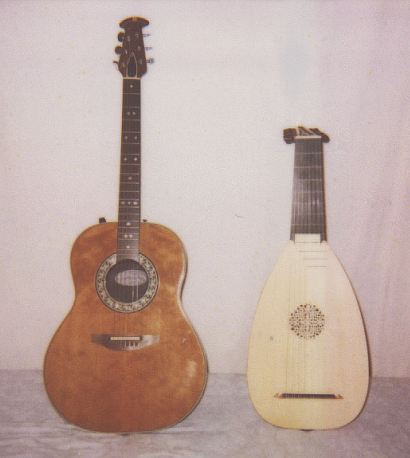
- Guitar — ranges from nylon-string classical to steel-string acoustic and electric forms.
- Ukulele — a small, four-string instrument related to the guitar family.
- Lute — a historical bowed ancestor with a rounded back used in early music.
- Bass guitar — a low-pitched plucked or picked instrument used for rhythm and harmony in modern bands.
- Mandolin — a small, double-course, fretted instrument with a bright tone.
- Banjo — notable for its drum-like head and percussive timbre in folk and bluegrass.
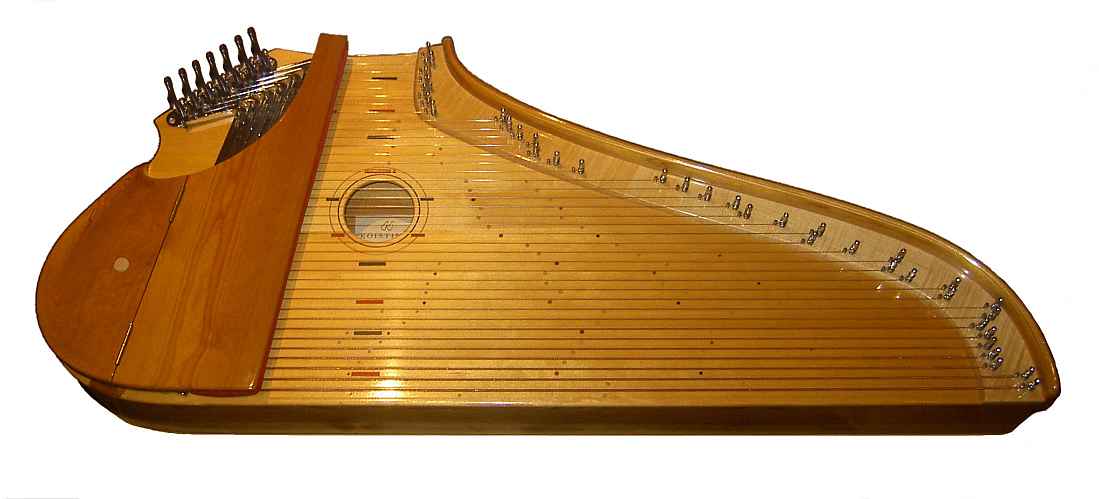
Other regional and historical plucked instruments include the harp, zither, koto and various lutes and zithers from Asia, Africa and the Middle East.
History and development
Plucked strings are among the oldest instrument families. Early forms appear in many cultures and evolved through regional craft traditions. In Europe the lute family influenced the later development of the modern guitar; the 19th and 20th centuries brought standardization of fretted instruments, new string materials and electric amplification that expanded tonal possibilities and performance contexts.
Playing techniques vary widely: strumming and rhythmic accompaniment, single-note lead lines, arpeggios, tremolo and percussive methods. Distinguishing plucked instruments from bowed or struck strings highlights the specific sound production and resulting repertoire. Designers and players continue to innovate with hybrid pickup systems, alternative tunings and extended techniques that broaden the instrument's expressive range.
Whether in solo classical pieces, folk traditions, jazz ensembles or amplified rock bands, plucked string instruments remain central to worldwide musical practice due to their versatility, portability and direct expressive control.
Related articles
Author
AlegsaOnline.com Plucked string instrument: definition, types, construction and techniques Leandro Alegsa
URL: https://en.alegsaonline.com/art/77495