
Plow (Plough): Function, History, and Agricultural Role
A plow is a soil-working implement used to cut, lift and turn over soil for cultivation. Originally drawn by humans and animals, modern plows are typically tractor-mounted and remain central to farming systems.
The plow, also spelled plough in some regions, is a basic agricultural implement designed to break up and turn over the top layer of soil to prepare seedbeds and manage residues. Historically it was a simple share or blade; over centuries its form has evolved into a variety of designs adapted to soil types, crops and climates. As a working machine, a plow is pushed or pulled across the surface of the earth (pulling action) to lift and invert soil, create furrows and mix organic matter into the ground.
Image gallery
10 Images




Overview and purpose
Plowing serves several related aims: loosening compacted soil, burying crop residues and weeds, incorporating amendments such as manure, and creating a uniform seedbed. The process alters the soil structure near the surface, which can improve seed-to-soil contact and short-term weed control. Methods and intensity vary: some systems use deep inversion plowing for thorough turnover, while others rely on shallow passes to conserve soil structure and moisture.
Power sources and human role
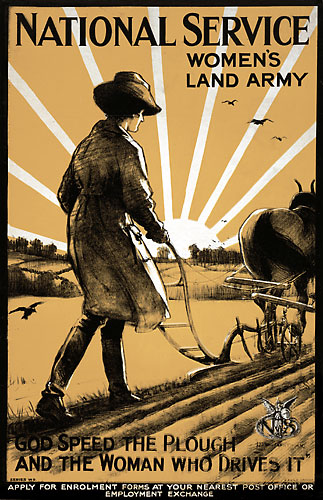
Before mechanization, plows were typically drawn by people or animals. In many regions human traction (human power) or draft animals such as oxen and horses (animal power) provided the force needed to pull the implement. During the 20th century tractors largely replaced animal teams for most commercial farms, increasing the scale and speed of plowing and allowing heavier, more complex implements to be used.
Designs and common types
- Share plow: a simple scraping blade for cutting surface vegetation and light cultivation.
- Moldboard plow: the classic design that cuts, lifts and turns a strip of soil to bury residues.
- Chisel and subsoiler: non-inverting tools that loosen deeper layers without full turnover.
- Disc plow: uses concave discs to slice and mix sod or rough ground.
On modern farms these implements are most often mounted on or towed by tractors (tractors), enabling wider working widths and greater depth control than in pre-mechanized eras.
Soil effects, benefits and limits
A plow lifts and disturbs the topsoil, producing loosened earth and two lines or strips of displaced soil that form furrows and ridges. This lifting action (soil turnover) can help seed germination and incorporate nutrients and organic matter into the root zone. At the same time, frequent deep plowing can accelerate erosion and reduce soil organic matter over the long term, so many farmers now balance plowing with conservation practices like reduced tillage, cover cropping and contouring.
Plows remain important tools worldwide because they are versatile and effective for preparing seedbeds and managing residues. Their design continues to adapt to environmental concerns, crop rotations and farm scale, and they persist as a central element of both traditional and modern agricultural systems.
Related articles
Author
AlegsaOnline.com Plow (Plough): Function, History, and Agricultural Role Leandro Alegsa
URL: https://en.alegsaonline.com/art/77493